
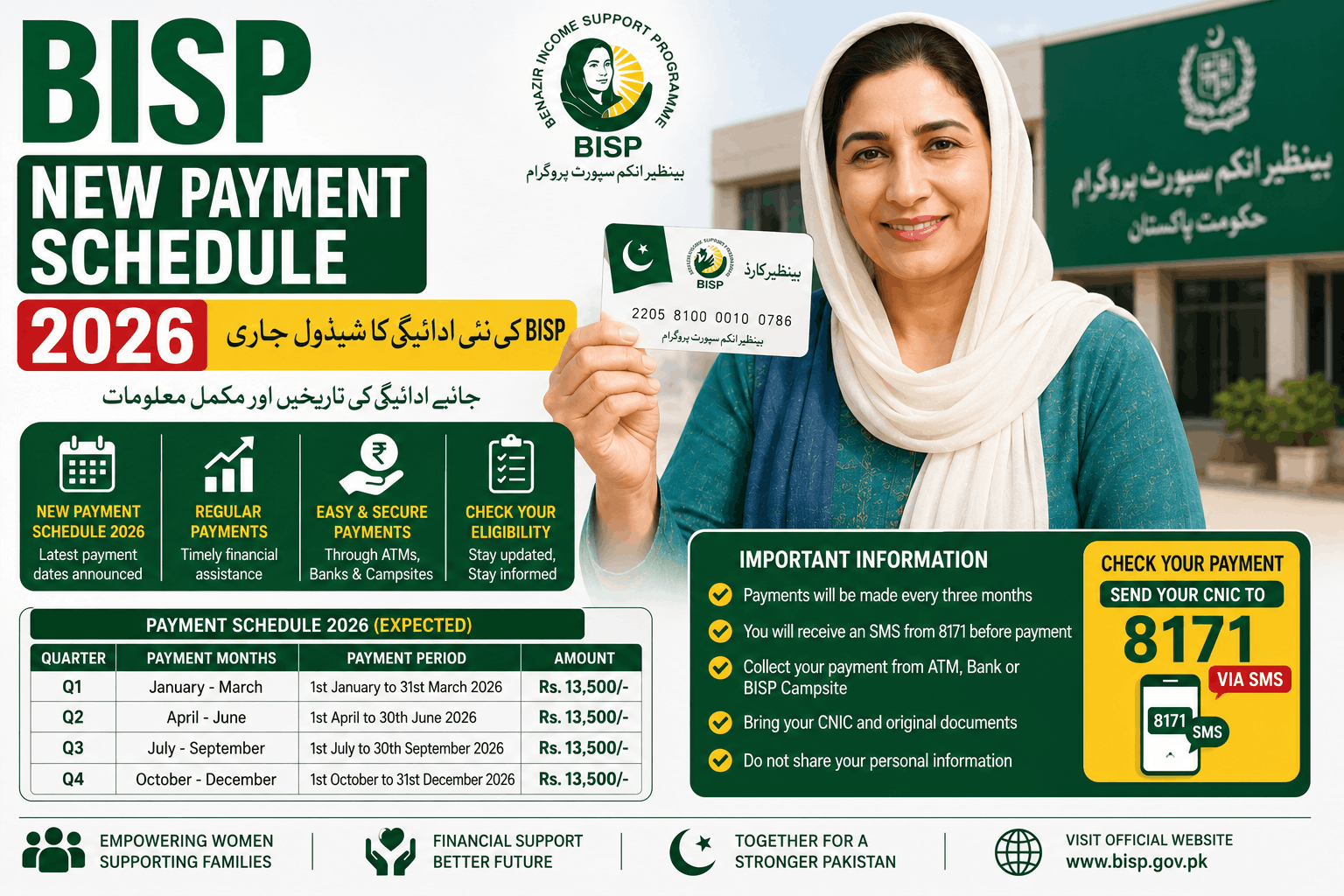
Every few months, a version of the same scene plays out across Pakistan.
A woman wakes up early, gets her children ready, arranges for someone to watch the younger ones, and travels — sometimes an hour or more — to the nearest HBL Konnect agent or BISP payment center.
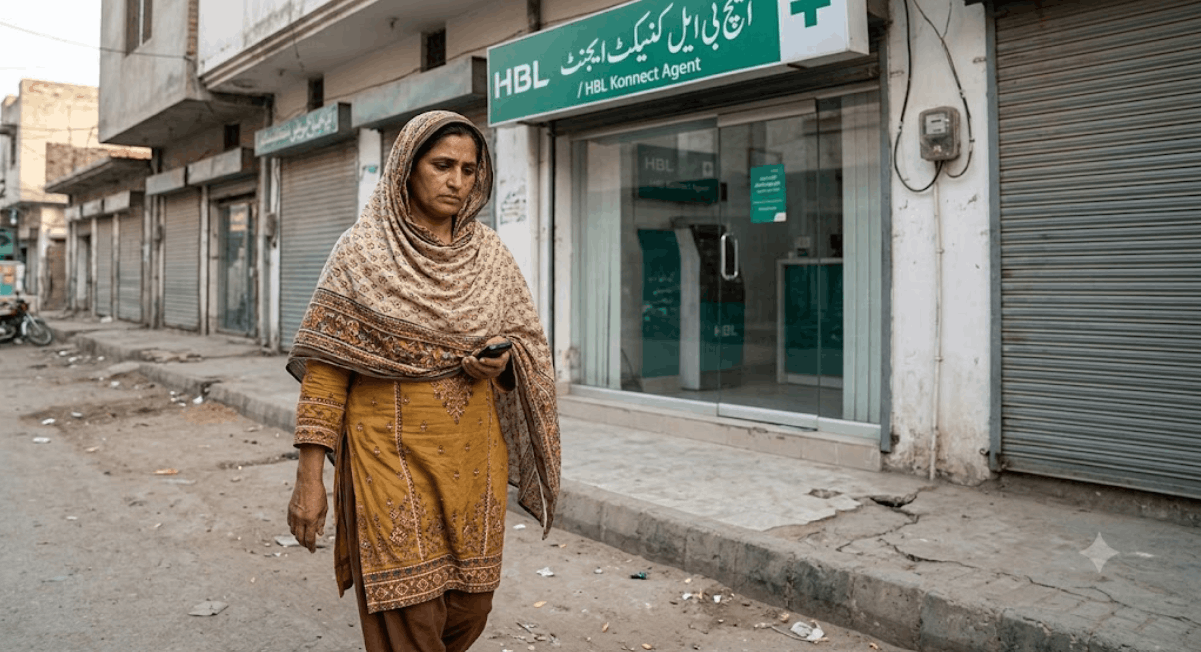
She stands in a queue. When she finally gets to the front, the agent tells her: “Payment nahin aya abhi.” Payment hasn’t come yet.
She goes home. The next day, a neighbor comes back from the same agent with money in hand.
Nobody told her the payment had released. Nobody told her neighbor either — she just happened to check at the right time.
This is what poor payment schedule communication looks like in practice. It’s not just inconvenient. For daily-wage households, a wasted trip is a wasted day’s income, bus fare that doesn’t come back, and a level of exhaustion and frustration that makes people feel like the system is designed against them.
Understanding the BISP payment schedule — how it works, when payments typically release, and how to know before making the trip — is genuinely useful information. This guide covers all of it.
How the BISP Payment Cycle Works
Before getting into the 2026 schedule specifics, it helps to understand the underlying structure — because BISP payments don’t work like a salary that arrives on a fixed date every month.
BISP Kafaalat payments are released quarterly — four times a year. Each quarterly payment covers a three-month period. The current payment amount is Rs. 10,500 per quarter per eligible household, though this figure is subject to revision and should be verified through official BISP channels.
But here’s the thing most people don’t realize:
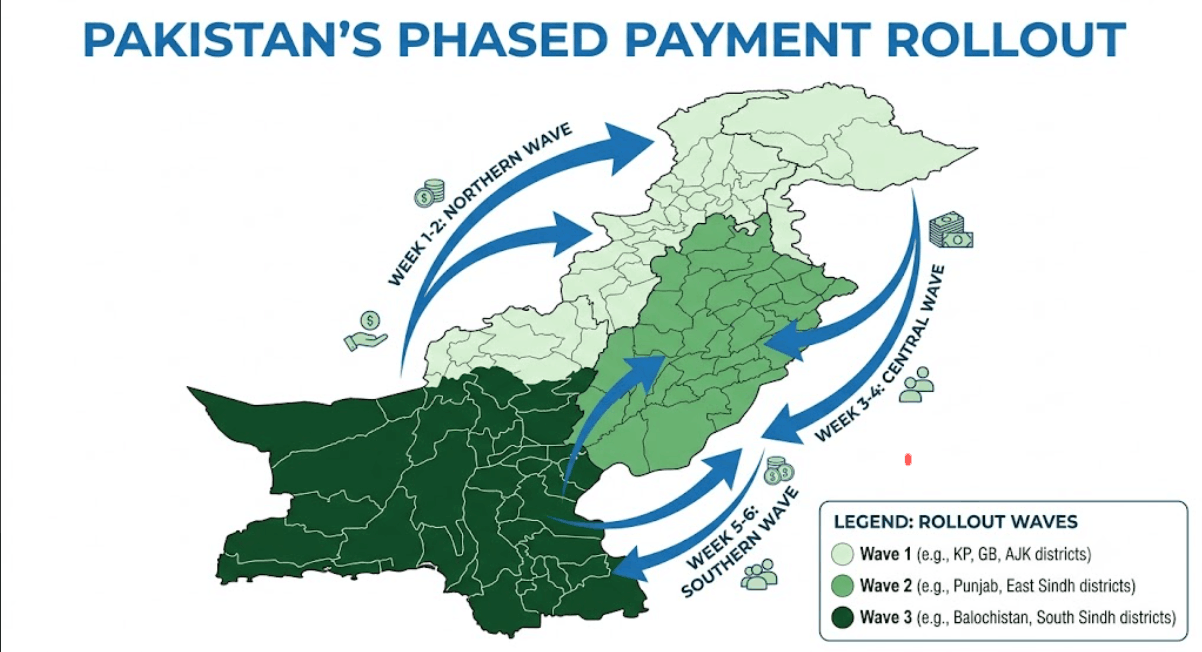
the quarterly payment isn’t released to all beneficiaries on the same day. It’s released in phases, rolled out across different districts and regions over several weeks within a quarter.
This means your neighbor might receive her payment two weeks before you do — and you’re both eligible, both registered correctly, and both due the same amount. You’re just in different disbursement phases.
This phased rollout is why “my neighbor got paid already, why haven’t I?” is such a common and understandably confusing question. It’s not a sign something is wrong. It’s just how the system distributes millions of payments across the country without everything crashing at once.
BISP Payment Schedule 2026 — Quarter by Quarter
Based on BISP’s established payment cycle pattern and 2026 announcements, here is the general schedule framework for this year:
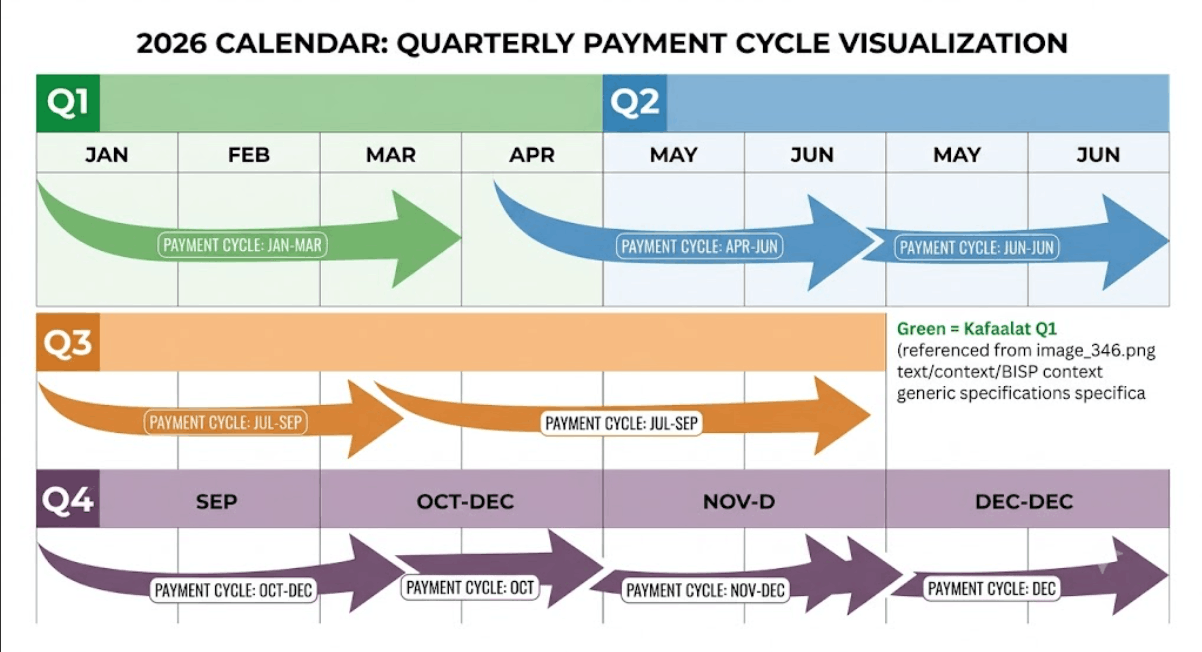
Quarter 1 — January to March 2026 Payment disbursement typically begins in January and rolls out through February and into March depending on the district. Most beneficiaries in this tranche should have received their payment by mid-March.
Quarter 2 — April to June 2026 Disbursement for the second quarter typically begins in April, with the bulk of payments released through May. Some districts in the later phases may see payments extend into early June.
Quarter 3 — July to September 2026 The third quarter payment cycle generally begins in July following the federal budget confirmation of BISP allocations for the next fiscal year. Payments roll through August with stragglers completing by September.
Quarter 4 — October to December 2026 The final quarter of the year typically begins disbursement in October, completing through November with some districts finalizing in December.
Important caveat: These are general timeframes based on historical BISP payment patterns. Actual release dates in 2026 may vary depending on government budget cycles, administrative timelines, and regional factors. Always verify your specific payment status through 8171 or the BISP portal rather than planning around a fixed date.
How to Know When YOUR Payment Has Actually Released
This is the part that makes the most practical difference.
Instead of guessing, traveling, or asking neighbors, there are two reliable ways to know when your payment is ready before you leave home.
Method 1: SMS to 8171
Send your 13-digit CNIC number (no dashes, no spaces) as a text message to 8171.
The reply will tell you your current payment status. When a payment has been released and is available for collection, the status message will indicate something along the lines of “Raqam Jari Ho Gai” (Payment Released) along with the amount.
If it shows “Payment Pending” or “Zair-e-Karwai,” the payment is in the pipeline but not yet available. Check again in a few days.
This SMS is free on Jazz, Telenor, Zong, and Ufone (though it’s worth confirming with your specific package). It works on any phone — no smartphone, no internet needed.
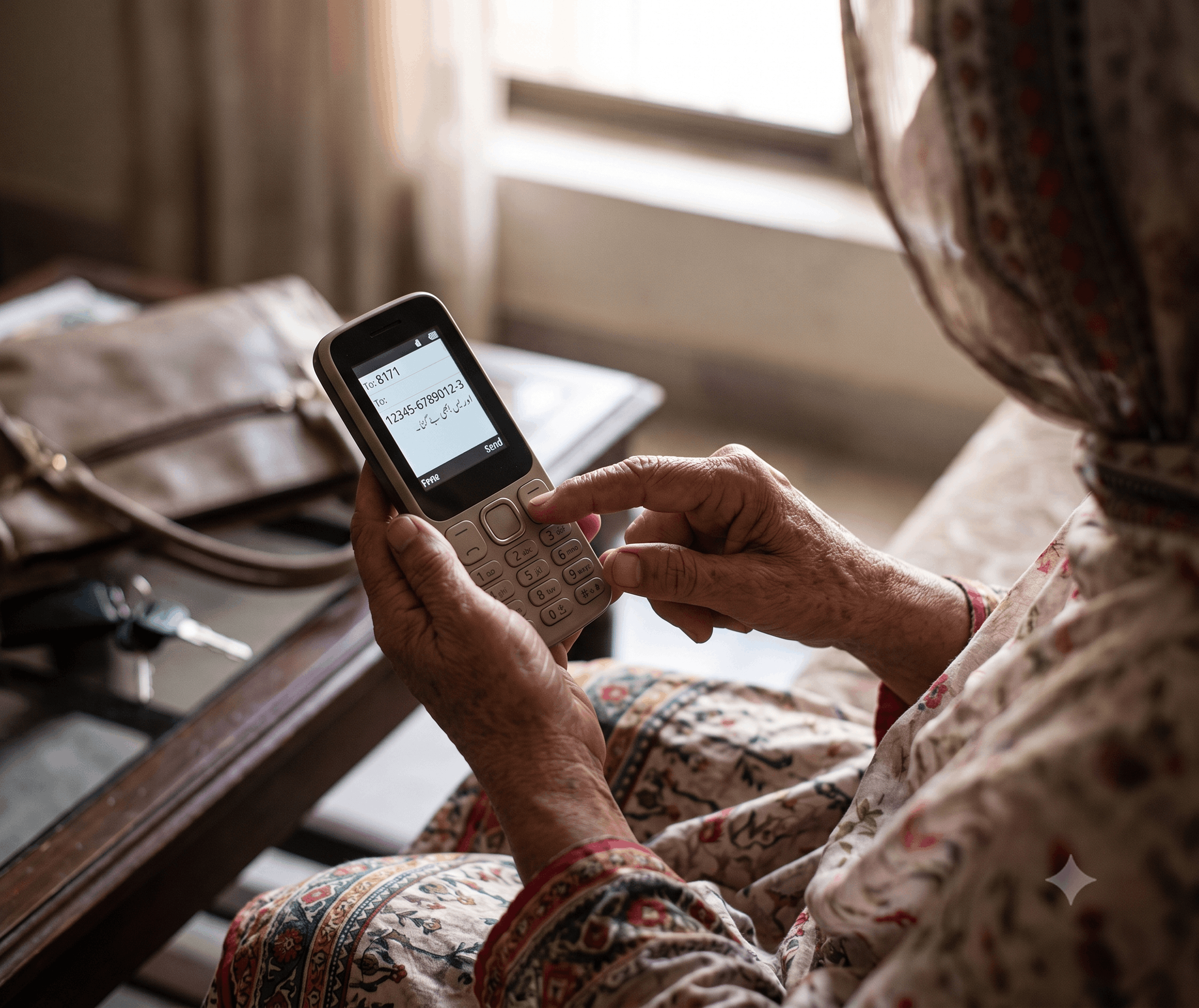
The single most effective change most BISP beneficiaries can make is to check 8171 before every trip to the payment agent. Not after. Before.
Method 2: BISP Web Portal
If you have internet access, go to bisp.gov.pk and use the beneficiary status check feature with your CNIC number.
The portal gives slightly more detail than the SMS — it shows payment history, the specific tranche amount, and sometimes the expected disbursement date. It’s useful if you want to see whether the current quarter’s payment is even in the system yet, or if you want to check past payment records.
Method 3: BISP Helpline
If neither of the above methods is giving you clear information, call 0800-26477 (toll-free, free from most networks).
The helpline agents can check your payment status directly. Best times to call: mid-morning on weekdays, avoiding Mondays (highest call volume) and the first few days of each month when lines are busiest.
What’s Different About Payments in 2026
A few things have shifted in how BISP payments are being managed this year that beneficiaries should know about.
Increased payment amount for some beneficiaries. The government announced adjustments to Kafaalat stipend amounts in response to inflation. Not all beneficiaries receive the same amount — your specific quarterly payment depends on your household registration category and any supplementary programs you’re enrolled in (like Taleemi Wazaif for school-going children or Nashonuma for young children’s nutrition support).
Tighter biometric verification. Throughout 2025 and into 2026, BISP has been enforcing biometric verification more strictly at payment points. If your fingerprint scan doesn’t match the NADRA record — which can happen due to worn fingerprints, old scans, or a CNIC that was renewed without updating biometric records — your payment will be held.
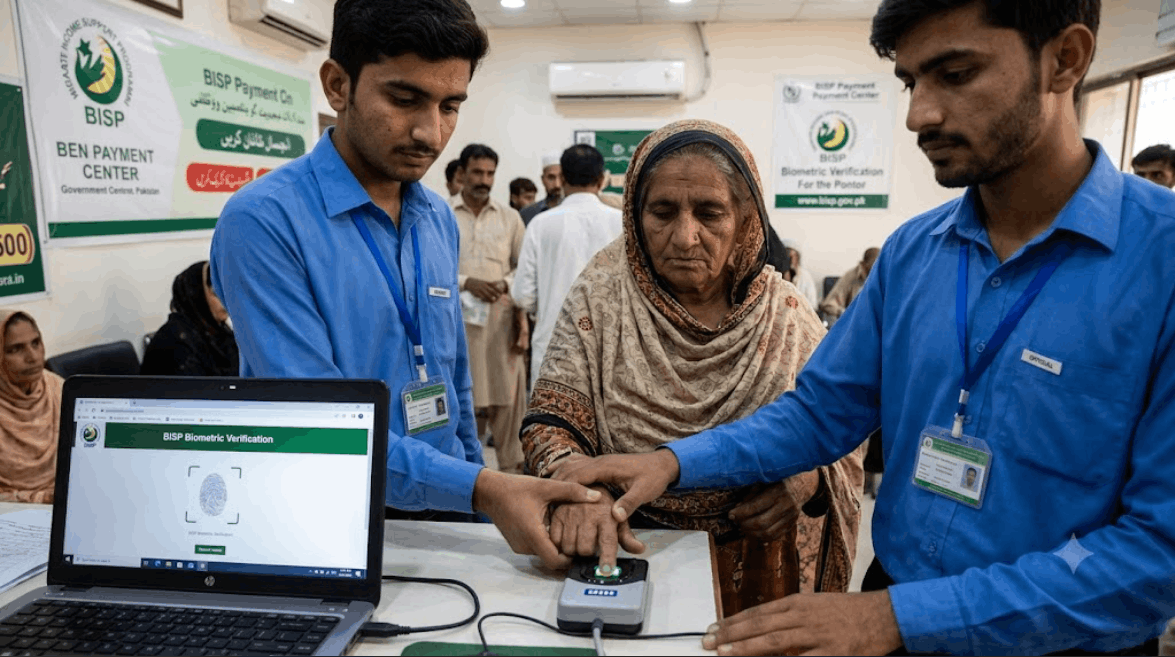
If you’ve been having trouble with biometric verification at payment points, visit a BISP payment center (not just an HBL Konnect agent) for a more thorough biometric re-enrollment process.
More payment points added in some districts. BISP has been expanding its network of payment agents in certain districts to reduce the travel burden for beneficiaries. Check with your local BISP Tehsil Office whether new payment points have been added near you — you may have a closer option than you’re currently using.
Digital payment options being expanded. In some urban and semi-urban areas,
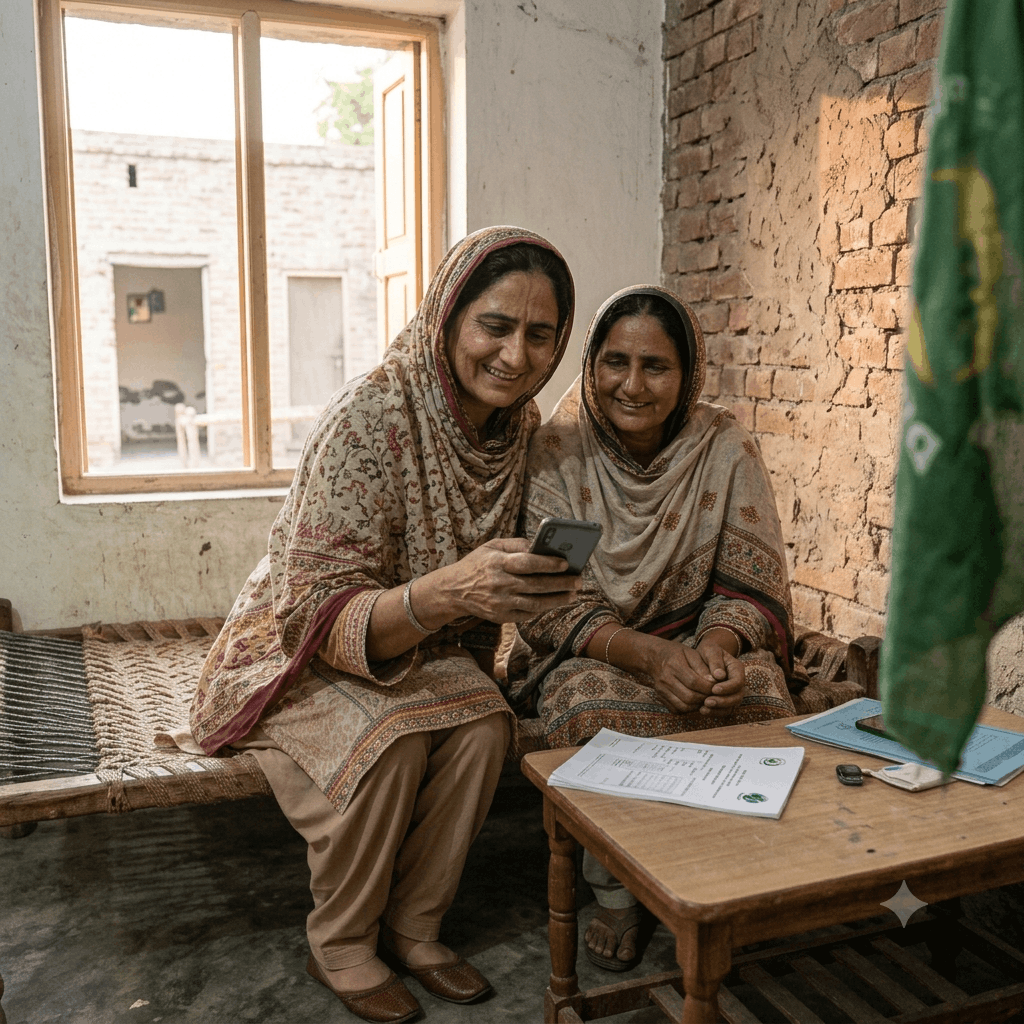
BISP is piloting direct transfers to mobile wallets (JazzCash, Easypaisa) for beneficiaries who have registered mobile accounts. If this is available in your area, the Tehsil Office can advise you on enrollment. This eliminates the trip to a physical agent entirely.
Why Payments Get Delayed — And When to Worry vs. When to Wait
Not every delay is a sign of a problem. Knowing which is which saves a lot of unnecessary stress and wasted trips.
Normal delay reasons — wait it out:
- You’re in a later disbursement phase for your district. Check 8171 every few days.
- It’s the start of a new quarter and the payment cycle hasn’t reached your area yet. Expect a 2–4 week window from when you first hear payments are releasing.
- Public holidays or administrative processing delays have pushed disbursement back a few days.
Delays that need investigation — visit the Tehsil Office:
- The 8171 SMS shows “payment released” but you’ve tried collecting three or more times at the agent and nothing is there.
- Your status suddenly changed from “eligible” to “not eligible” without any change in your circumstances.
- You haven’t received a payment in two or more consecutive quarters.
- The system shows “biometric pending” and resolving it at the payment agent isn’t working.
- A new quarter’s payment is showing as released but your amount seems wrong compared to previous payments.
For anything in that second list, the 8171 check is your starting point — it tells you what the system says — and then the Tehsil Office visit is how you get it fixed.
Common Mistakes That Cost People Time and Money
Going to the payment agent without checking 8171 first. This is the biggest one. The 30-second SMS check could save a 3-hour round trip. Make it a habit before every single collection attempt.
Checking 8171 from the wrong number. For the most accurate payment status, send the SMS from the mobile number registered with your BISP account. If you’ve changed numbers since registration, that’s actually something worth updating at the Tehsil Office — payment notifications sometimes go to the old number.
Assuming all payment agents have the same information. HBL Konnect agents only see what’s been pushed to their specific system. If the portal says your payment is released but your usual agent says nothing is there, try a different payment agent in your area before assuming there’s a problem.
Not going back after a biometric failure. A failed biometric scan doesn’t mean your payment is gone. It means you need to try again, or go to a proper BISP payment center (rather than an HBL Konnect franchise) for a more controlled biometric verification environment. A single failed scan shouldn’t stop you from following up.
Waiting too long to investigate a genuinely stuck payment. Payments don’t expire immediately, but delayed action on a real problem — like an account flag or an eligibility status change — can mean missing multiple quarters while the issue sits unresolved. If something seems wrong, follow up within the same quarter, not the next one.
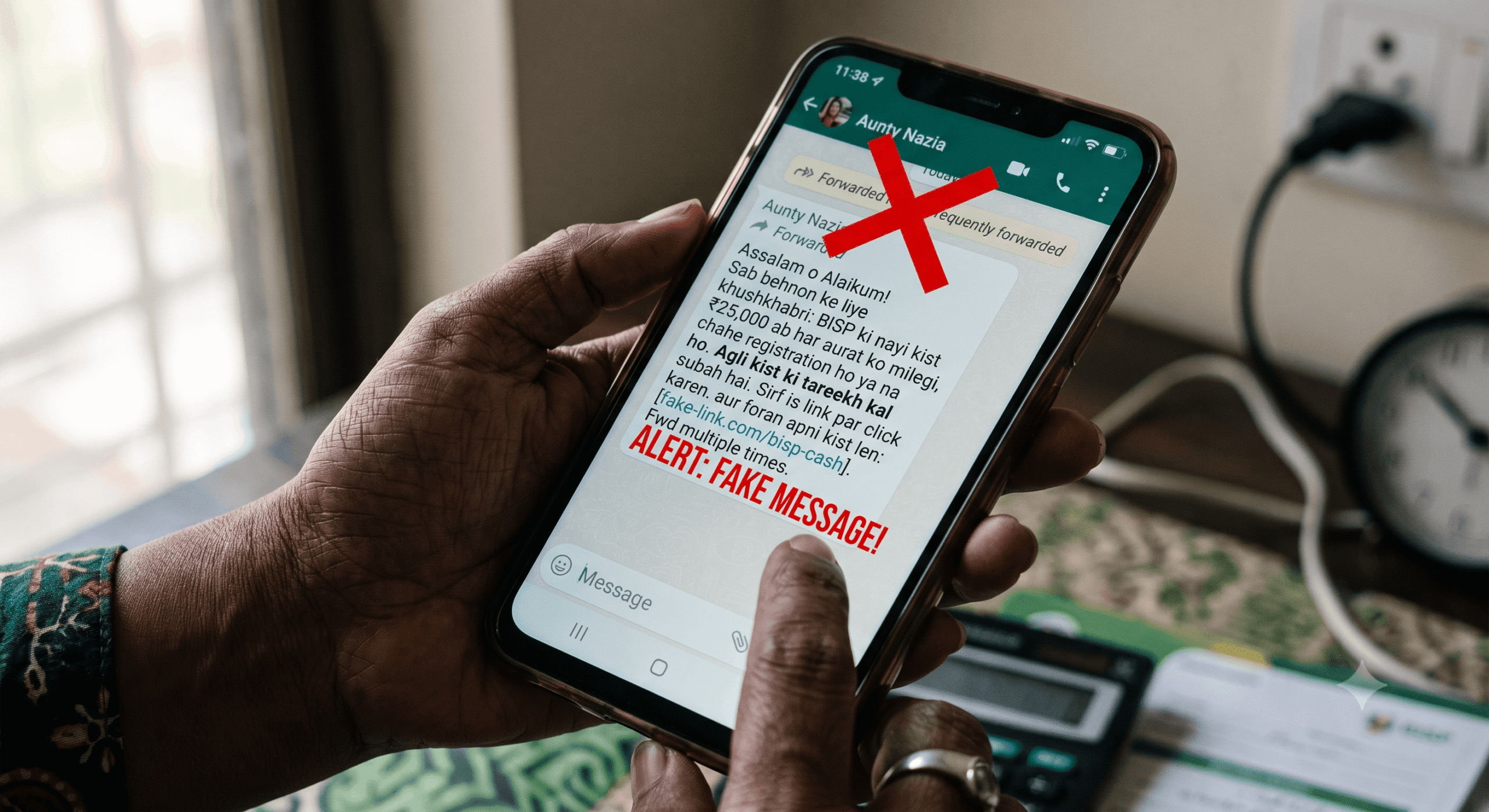
Relying on WhatsApp announcements for payment dates. The amount of misinformation circulating about BISP payment release dates on WhatsApp and Facebook is significant. Screenshots claiming “BISP is releasing Rs. 25,000 this month” or “payments start tomorrow” are often wrong, exaggerated, or outright fabricated. The only sources worth trusting: 8171, bisp.gov.pk, and the BISP helpline.
Documents to Keep Handy for Payment Collection
Every time you go to collect, bring:
- Original CNIC — not a photocopy, the original. Payment agents are required to verify it.
- Registered mobile phone — you may receive an OTP or notification during the collection process at some payment points.
- Previous payment slip — if you received one, keep it. It helps verify your account details if there’s ever a discrepancy.
If You’re Helping Someone Else Navigate This
A lot of people reading this are doing so on behalf of an older relative, a neighbor, or a family member who isn’t tech-comfortable.
The most useful thing you can do for them:
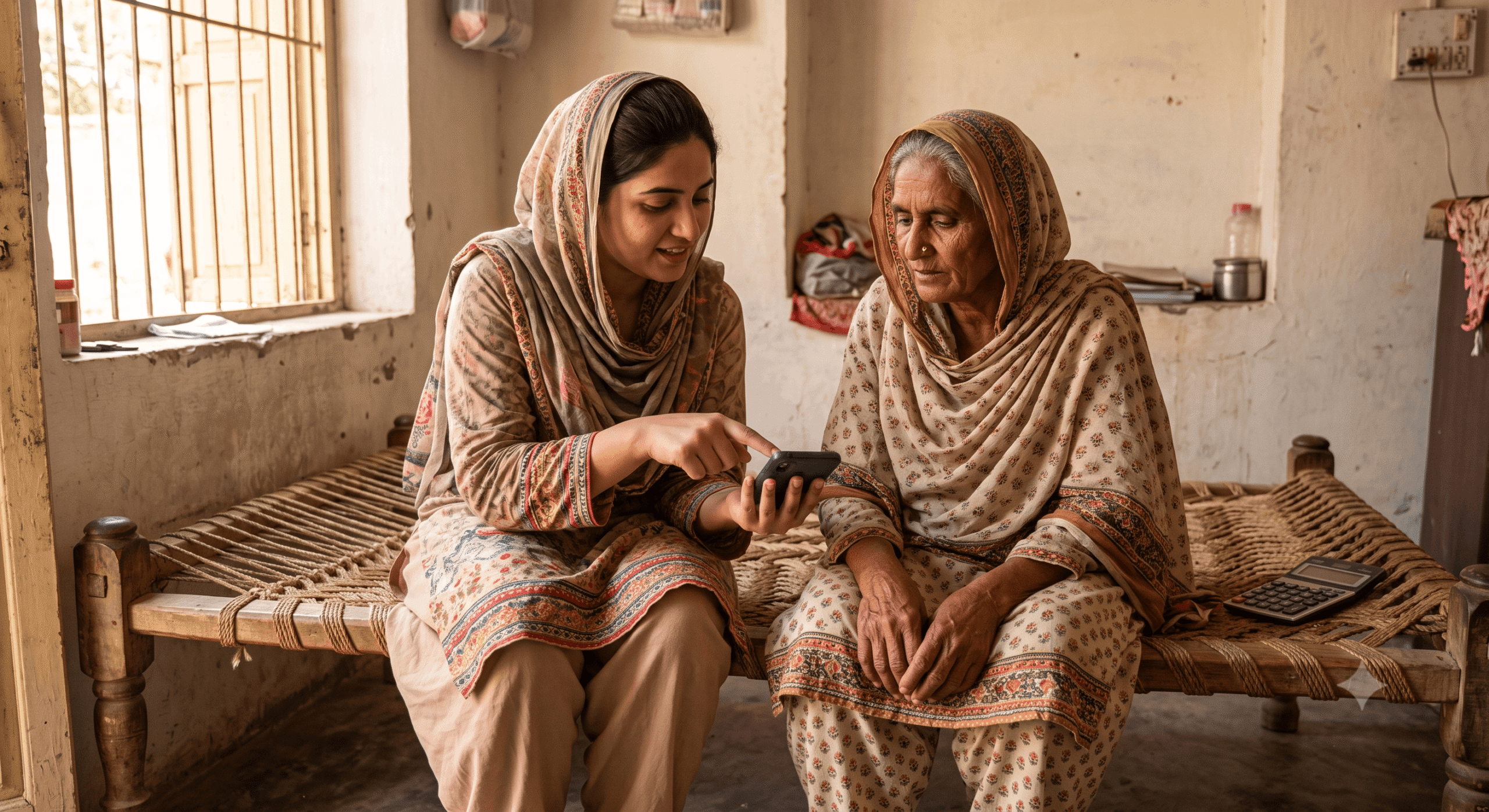
- Check their status on 8171 from their registered number — save the result.
- Help them save the BISP helpline number (0800-26477) in their phone.
- Tell them to always check before going to the payment agent. That single habit change prevents most unnecessary trips.
- If their status shows a problem, go with them to the Tehsil Office. These visits go much better when someone is there who can read the SMS replies, explain the situation clearly, and ask the right questions.
The system isn’t simple, and it’s even harder to navigate when you don’t have digital access, strong literacy, or time to spend on follow-up. Being that helpful presence for someone else is genuinely valuable.
A Final Honest Note on Payment Schedules
BISP payment dates are never perfectly fixed. Governments change, budgets get delayed, administrative systems have hiccups, and disbursement phases shift from year to year.
Anyone giving you an absolutely precise date — “BISP payments release on the 15th of every month” — is either mistaken or guessing. The real answer is always: check 8171, and when it says released, go collect.
What doesn’t change is the quarterly structure, the approximate timeframes, and the process for checking and resolving issues. That’s what this guide covers, and that’s what will still be true even when specific dates shift.
Use 8171. Don’t trust WhatsApp forwards. Follow up when something seems wrong. And don’t make the trip until the SMS says the money is there.
Checking your status and getting a confusing reply? Leave a comment with what the message said and we’ll help you figure out what it means.
Don’t miss your upcoming BISP installment. Visit the official 8171 portal below to track your latest payment status, confirm your eligibility, and view the current payment schedule using your CNIC.
Check BISP Payment Schedule Official