
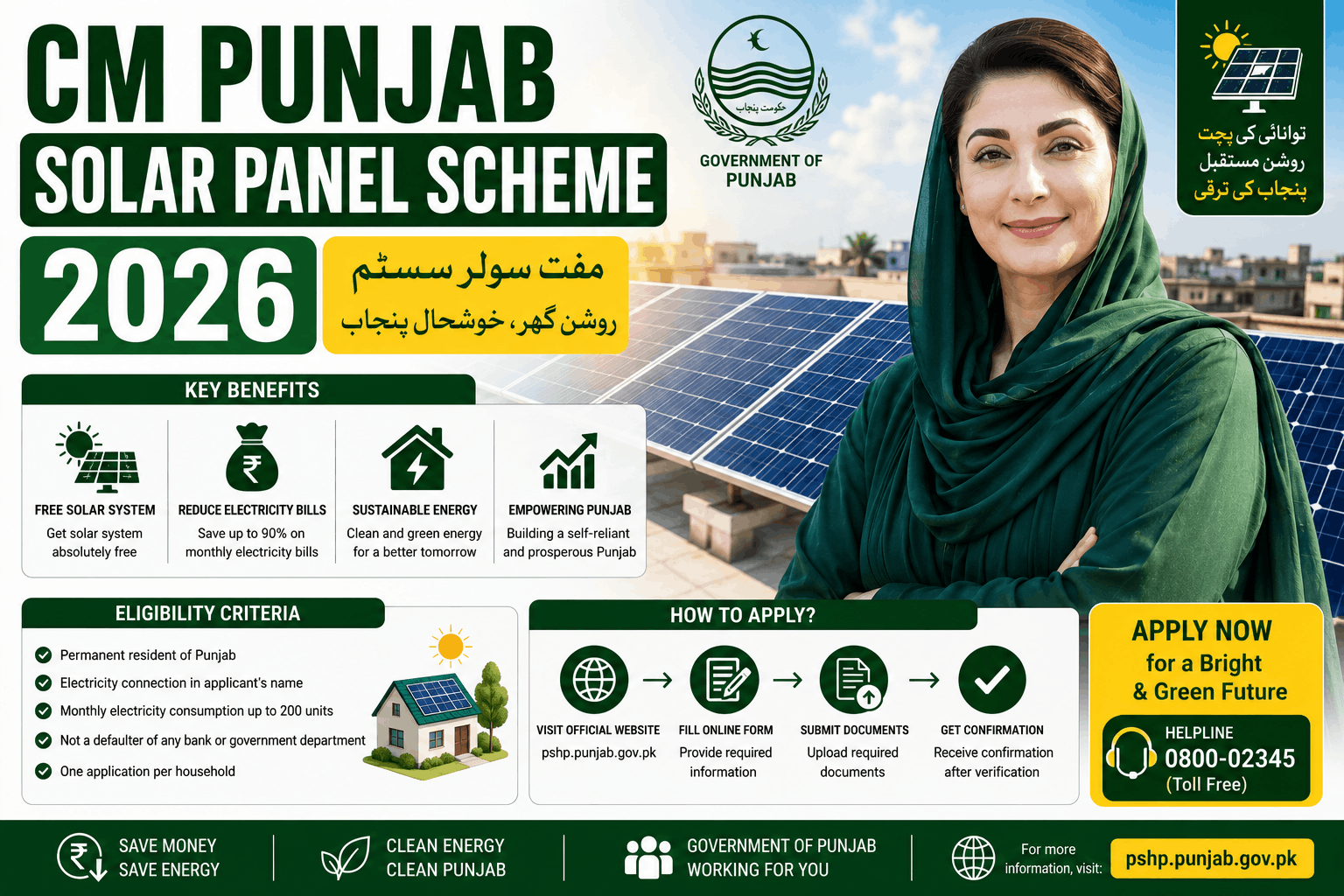
An electricity bill of Rs. 18,000 in a single month sounds manageable until it’s measured against a Rs. 35,000 household income — at which point it’s more than half of everything earned, gone to WAPDA before food, rent, or school fees get touched.
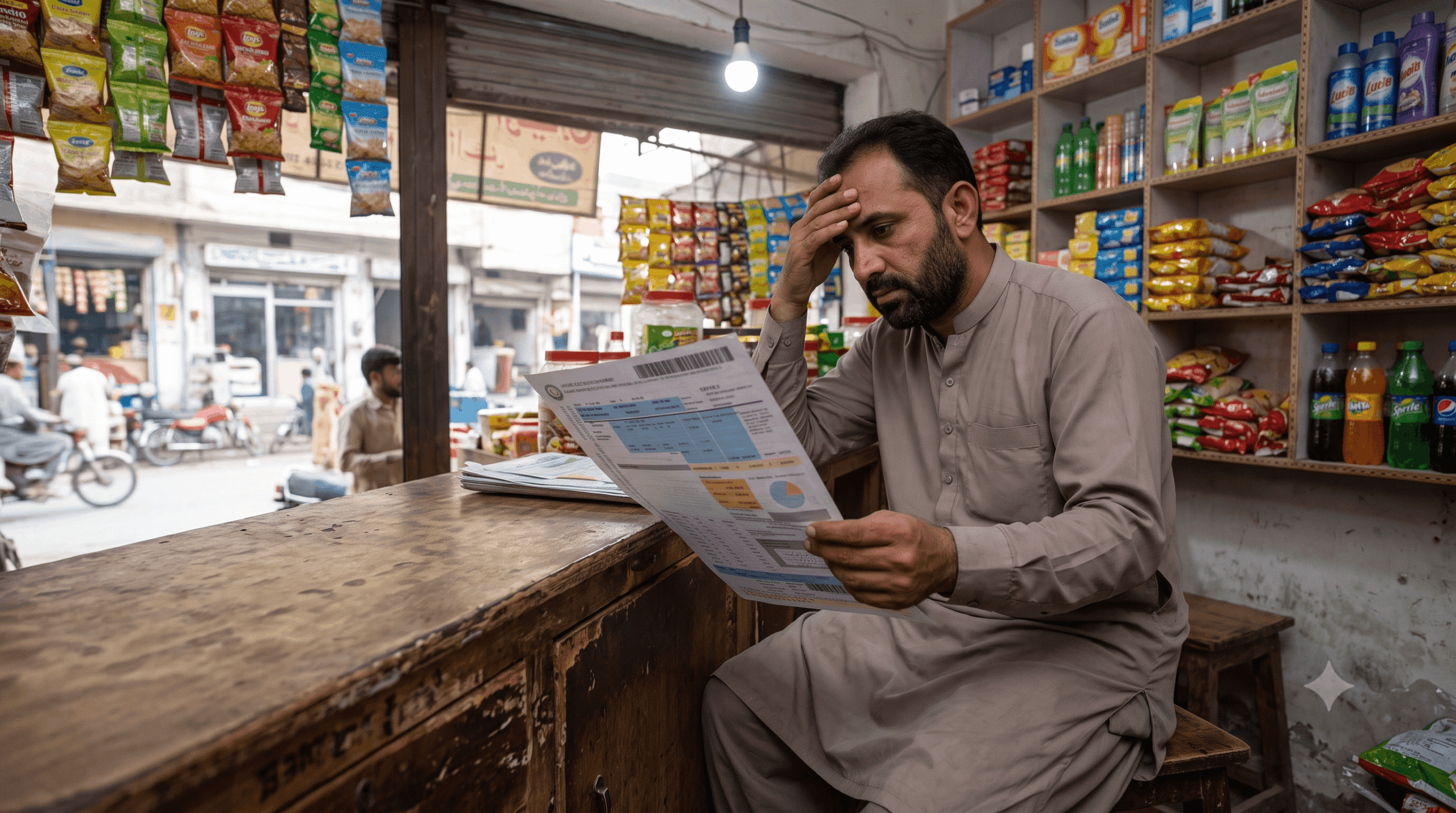
That was the reality last summer for a household in Sheikhupura: two bedrooms, a small courtyard, five people, and a primary earner running a small shop. The bill was serious enough that pulling a daughter out of her tuition classes became a real option being considered, just to cover it.
The CM Punjab Solar Panel Scheme — subsidized or free solar systems for low-income households — was the alternative. The obvious questions came first: is this actually real, and what would it take to apply?
Two days of research answered both. The scheme is real, and it has genuine potential for households in exactly this situation. But the path from hearing about it to panels actually installed on the roof has several steps, and missing any one of them tends to mean an indefinite wait — or disqualification for reasons that were entirely avoidable.
This guide lays out every one of those steps in one place, in the order they need to happen.
What the CM Punjab Solar Panel Scheme Actually Is
The Chief Minister Punjab Solar Panel Scheme — officially part of the broader Punjab Green Energy Initiative — is a government program designed to provide subsidized solar energy systems to low-income and middle-income households in Punjab.
The scheme aims to reduce electricity bills for struggling families, decrease reliance on the national grid during peak load periods, and move a portion of household energy consumption to clean, renewable sources.
In its 2026 iteration, the scheme is running in phases across Punjab with a focus on:
- Households with monthly electricity bills below a certain threshold (typically under Rs. 500 units consumed, targeting those on lower slabs)
- Residential consumers registered with LESCO, MEPCO, FESCO, GEPCO, IESCO, and other Punjab-based DISCOs (electricity distribution companies)
- Low to lower-middle income families who own their residence
- BISP beneficiaries and Ehsaas-registered households get priority consideration in some phases
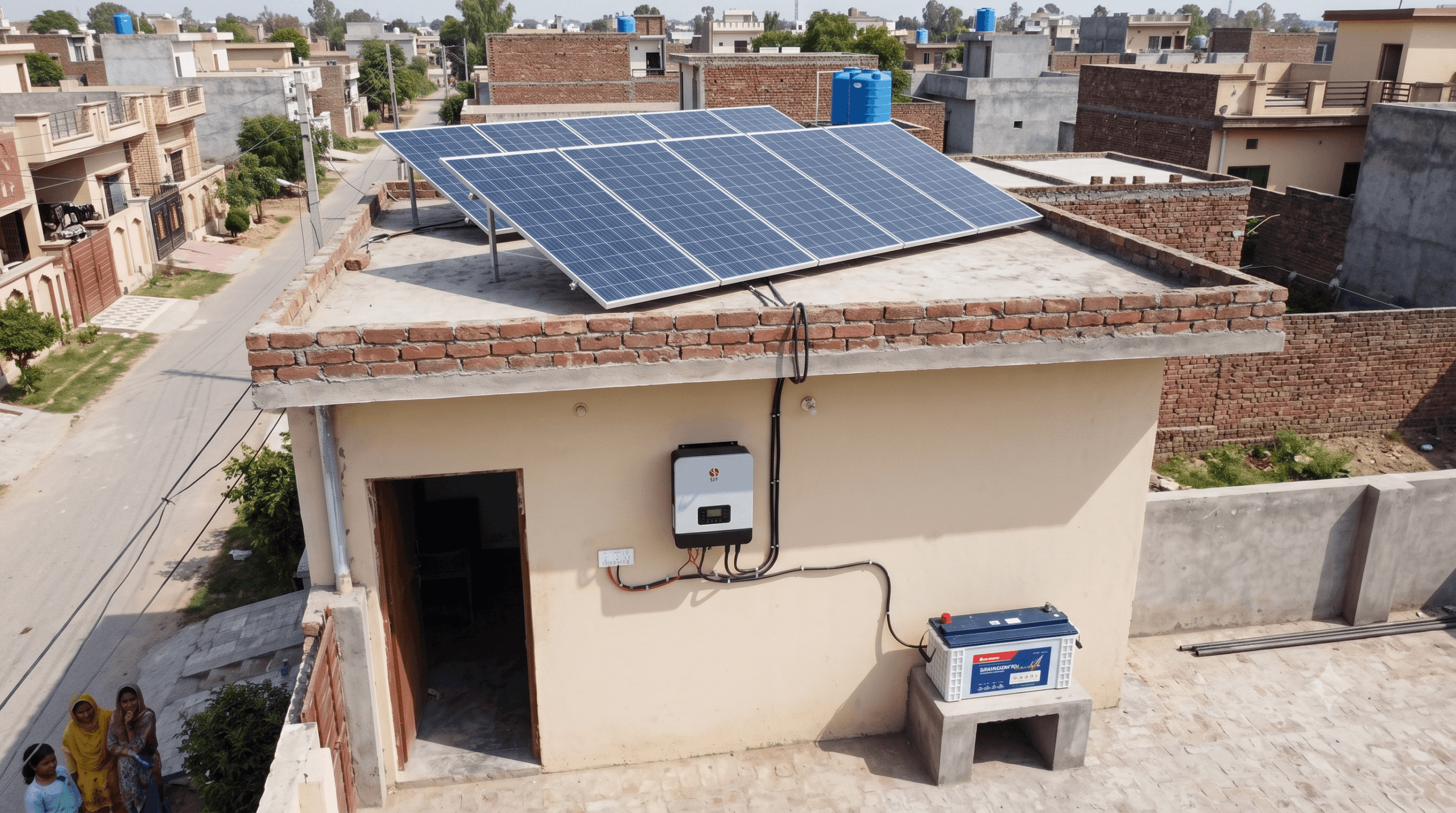
The system being provided varies by phase and budget allocation, but typically includes:
- A solar panel array (ranging from 100W to 1000W+ depending on the household’s consumption tier)
- An inverter
- A battery storage unit (in some packages)
- Installation by government-approved contractors
- A net metering connection in some cases (where excess electricity can be fed back to the grid)
The subsidy structure means eligible households receive the system either fully free or at a heavily subsidized cost, depending on their income bracket and the specific phase of the scheme they’re enrolled in.
Who Qualifies — And Who Doesn’t
Understanding eligibility upfront saves a lot of wasted time.
You likely qualify if:
- You’re a residential electricity consumer in Punjab (not commercial)
- Your monthly electricity consumption is below 300 units on average (lower consumption = higher priority)
- You own the home where the panels would be installed (renters typically don’t qualify — the system is tied to the property)
- Your household income is below a defined threshold (varies by phase, but generally under Rs. 50,000/month household income)
- You’re a BISP or Ehsaas registered beneficiary (these households get automatic priority consideration)
- Your CNIC address matches your electricity meter address
You likely don’t qualify if:
- You’re a commercial or industrial consumer
- You rent your property
- You already have a solar system installed
- Your electricity consumption is above 500 units per month consistently (indicating a household above the target income bracket)
- You live outside Punjab (this scheme is Punjab-specific)
Grey area situations: Joint family compounds where one meter serves multiple households can be complicated. The scheme registers one system per meter. If you share a meter with relatives, only one family can apply on that meter — and figuring out who among you applies requires a conversation within the family before you go anywhere officially.
Step-by-Step: How to Apply for the CM Punjab Solar Panel Scheme
Step 1: Check If Your Area Is Currently Covered
The scheme rolls out in phases across Punjab’s districts. Not all districts are open for applications at the same time. Before doing anything else, find out whether your district is in an active application phase.
Check through:
- Punjab Energy Department website (energy.punjab.gov.pk)
- PITB portal (pitb.gov.pk) — which handles digital applications for many Punjab schemes
- Your local DISCO office (LESCO, MEPCO, FESCO, etc.) — they receive official communication about which areas are active
- CM Punjab’s official social media — announcements about new district phases are often posted here first
If your area isn’t active yet, note it down and check back monthly. New phases are added regularly throughout the year.
Step 2: Gather Your Documents Before Applying
Application windows for Punjab schemes open and close faster than most people expect. Having documents ready beforehand is the difference between applying on day one and scrambling at the deadline.
Documents typically required:
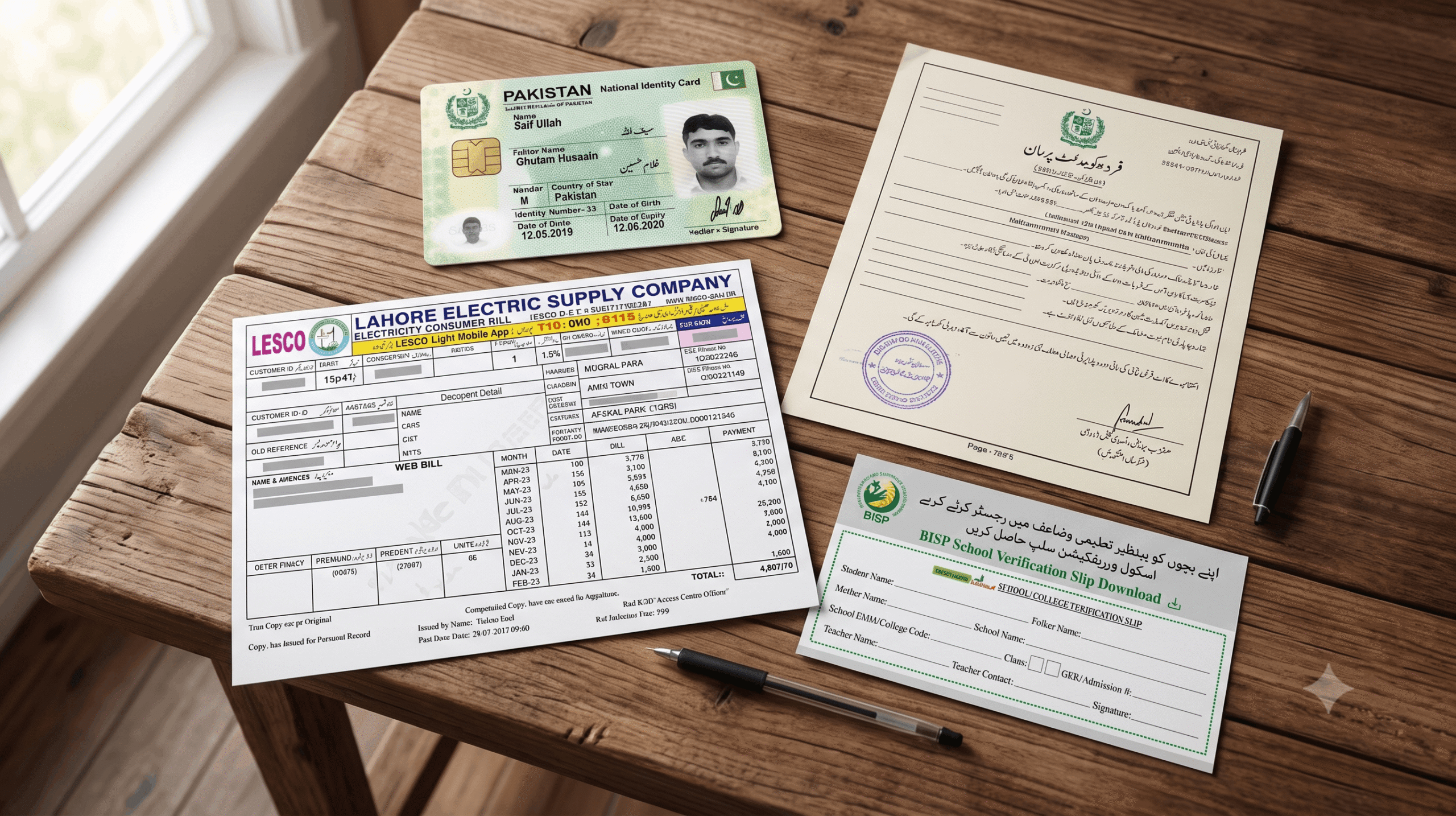
- Original CNIC of the applicant (property owner)
- Electricity bill — the most recent bill and ideally the last three months’ bills to demonstrate consumption level. The bill must show your name and the meter number.
- Proof of property ownership — registry, property tax receipt, or any official document showing you own the residence
- BISP/Ehsaas registration documentation (if applicable — this strengthens your application significantly)
- Passport-sized photographs (digital copies for online applications)
- Active mobile number linked to your CNIC for OTP verification
Step 3: Register on the Official Application Portal
Online applications are submitted through the official Punjab government portal. The specific URL is announced when each phase opens — verify it through the Punjab Energy Department website or your DISCO office rather than trusting social media links.
When you create your application:
- Use your CNIC number exactly as it appears on your card

- Enter your meter number correctly — this is how the system verifies your electricity connection
- Upload clear, legible scans of your documents
- Double-check that your address on the application matches your CNIC address and your electricity bill address. A mismatch here is one of the most common rejection reasons.
After submitting, save your application reference number and take a screenshot of the confirmation page.
Step 4: Physical Verification Visit
Unlike some schemes that are entirely online, the Solar Panel Scheme typically includes a physical verification step —
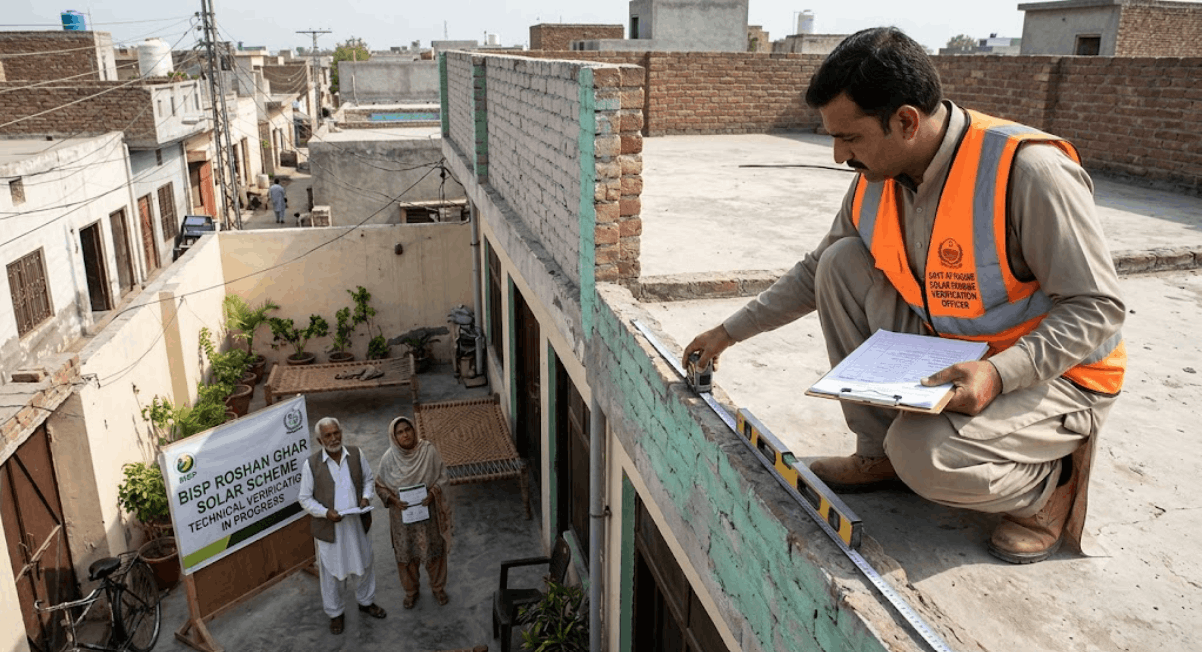
a government representative or approved contractor visits your home to assess:
- Roof space and structural suitability for panel installation
- Actual electricity connection and meter
- Household composition and general living conditions
- Whether the site is technically feasible for solar installation
Be home when the verification team is scheduled to come. If they arrive and nobody is available, your application may be delayed significantly or moved to the back of the queue.
During the visit:
- Have your original documents available
- Be straightforward about your household situation
- Ask the verifier what the next step is and what timeline to expect — write it down
Step 5: Approval and Installation Scheduling
After successful verification, you’ll receive notification of approval — either via SMS, email, or through the portal. The government then assigns an approved installation contractor for your area.
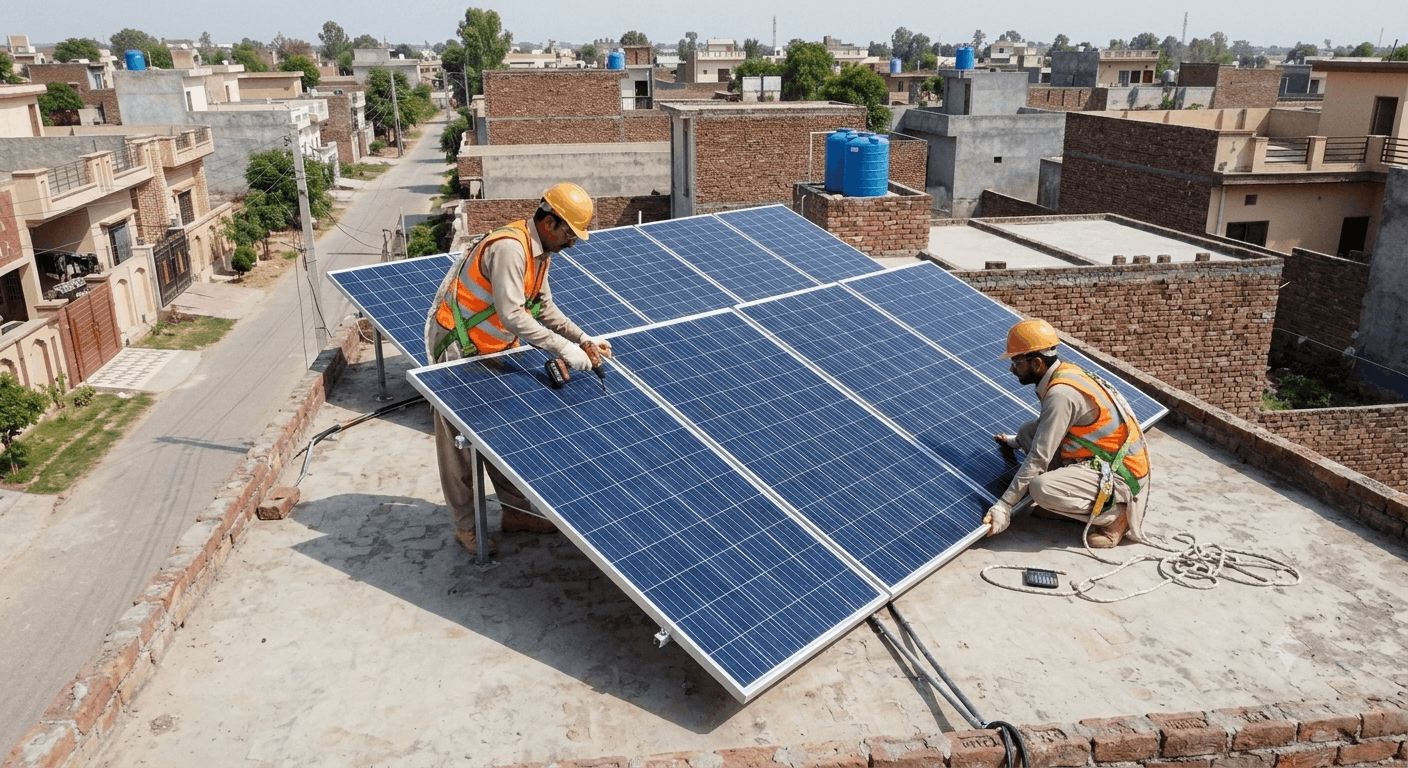
Installation is done by teams approved and monitored by the Punjab Energy Department. You should not be asked to pay any unofficial fees at this stage. If anyone approaches you asking for money to “speed up” your installation slot, that’s a red flag — report it to the Punjab Energy Department helpline.
Installation typically takes one to two days depending on the system size and roof conditions.
Step 6: Post-Installation and Net Metering (If Applicable)
After installation, your system needs to be connected properly. For larger systems where net metering is being provided, the DISCO has to connect and certify the net metering equipment — this is a separate step that sometimes takes additional weeks.
Keep all documentation you receive at installation:
- System specifications sheet
- Warranty cards for panels, inverter, and batteries
- Government installation certificate
- Contact information for the approved contractor (for maintenance)
What My Uncle’s Experience Looked Like
My uncle in Sheikhupura applied in February 2026 when his district phase opened. Here’s the honest timeline:
- Applied online: February 8th
- Verification team visit: February 23rd (about two weeks after application)
- Approval notification via SMS: March 11th
- Installation: March 28-29th (two-day installation)
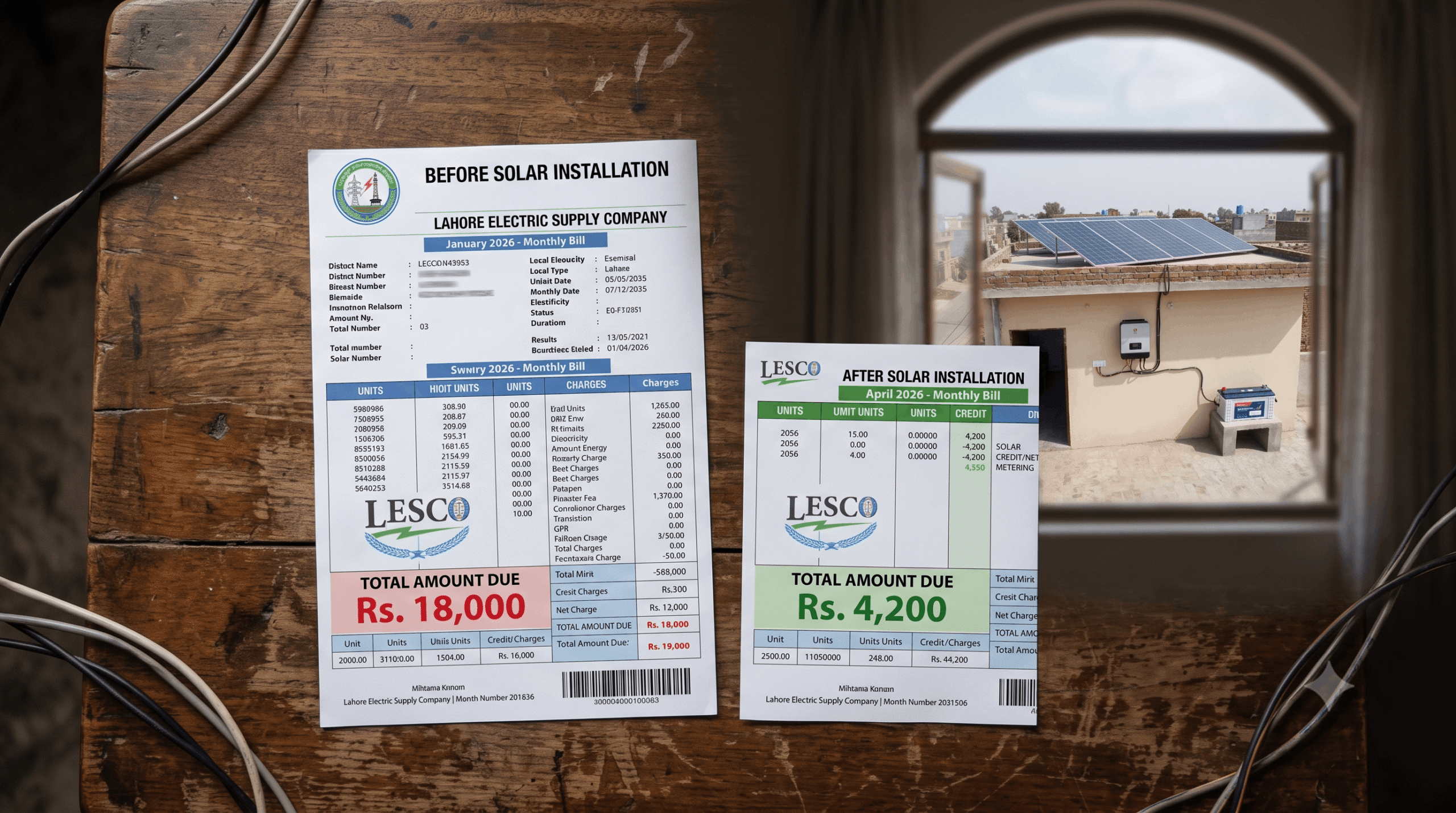
- First electricity bill after installation: Down from Rs. 18,000 to Rs. 4,200 in the first summer month
That Rs. 4,200 bill wasn’t zero — there are still grid connection charges and some baseline usage that the system doesn’t cover overnight. But from Rs. 18,000 to Rs. 4,200 is a transformation for that household. His daughter stayed in tuition classes.
The process wasn’t friction-free. The verification team came on a day he’d forgotten the appointment and he had to call and reschedule (cost him an additional 10-day wait). And the net metering connection took an extra three weeks after installation to complete. But the system works, and the bills reflect it.
Mistakes That Get Applications Rejected or Delayed
Mismatched addresses. Your CNIC, electricity bill, and property documents all need to show the same address. Even minor differences — “Street 4” vs. “St. 4” — can cause verification flags. If there’s a mismatch, resolve it with NADRA before applying.
Applying for a rented property. Some applicants try to apply using a relative’s property or a rented home. The scheme verifies ownership. Applying without being the property owner wastes your time and the scheme’s resources.
Not being home for the verification visit. Scheduling a verification visit and then missing it is one of the most common reasons for application delays. Treat it like a doctor’s appointment you cannot miss.
Applying through unofficial agents or middlemen. People near government offices sometimes offer to “help” with applications for a fee. There is no legitimate reason to pay anyone to apply for this scheme. Applications are free. Anyone charging you is taking your money and possibly your documents.
Submitting old electricity bills. The scheme uses your consumption data to determine the system size you qualify for. Submitting bills from 6 months ago during a lower-usage winter period might underrepresent your actual summer consumption and result in a system that’s undersized for your needs. Submit the most recent and representative bills.
Expecting instant installation. After approval, there’s typically a queue for installation in your district. Depending on demand, this can be 4–8 weeks. Plan accordingly and don’t make decisions (like upgrading your own appliances) assuming instant power change.
Frequently Asked Questions
Is the scheme really free? For households below the lowest income threshold (especially BISP-registered households), the system is provided free of cost. For slightly higher income brackets within the eligible range, there may be a subsidized contribution — typically far below market cost. Your eligibility tier is determined during verification.
What if I already have a partial solar system? This is a grey area. Having a small system (like a single panel and small inverter for fans only) may or may not disqualify you depending on the phase and the verifier’s assessment. Be transparent about what you have — don’t hide it, as the verifier will see it during the visit.
Can my tenant apply if they pay electricity bills? No. The scheme requires property ownership. Even if a tenant pays utility bills in their own name, the solar system is a permanent fixture of the property and requires the owner’s documented consent and registration.
What happens if the panels stop working? The installation comes with warranty coverage on the panels (typically 25 years performance warranty on panels, shorter on inverters and batteries). Maintenance within the warranty period is handled through the approved installation contractor. Keep your installation documentation — you’ll need it if anything goes wrong.
Can I apply in multiple family members’ names for different properties? Each property can only have one application. If you own multiple properties, in principle each could have a separate application, but practically the scheme prioritizes primary residences and households with genuine need.
The Honest Reality
The CM Punjab Solar Panel Scheme is one of the more impactful welfare initiatives running right now — because unlike a cash payment that covers one month, a solar system has a 20+ year lifespan. The benefit compounds year over year.
But like every large-scale government program in Pakistan, implementation is uneven. Some districts have smooth rollouts. Others have longer waiting lists, slower verification, and installation backlogs. Your experience will depend partly on where you live and which phase your area is in.
What won’t vary is the benefit once the system is up.
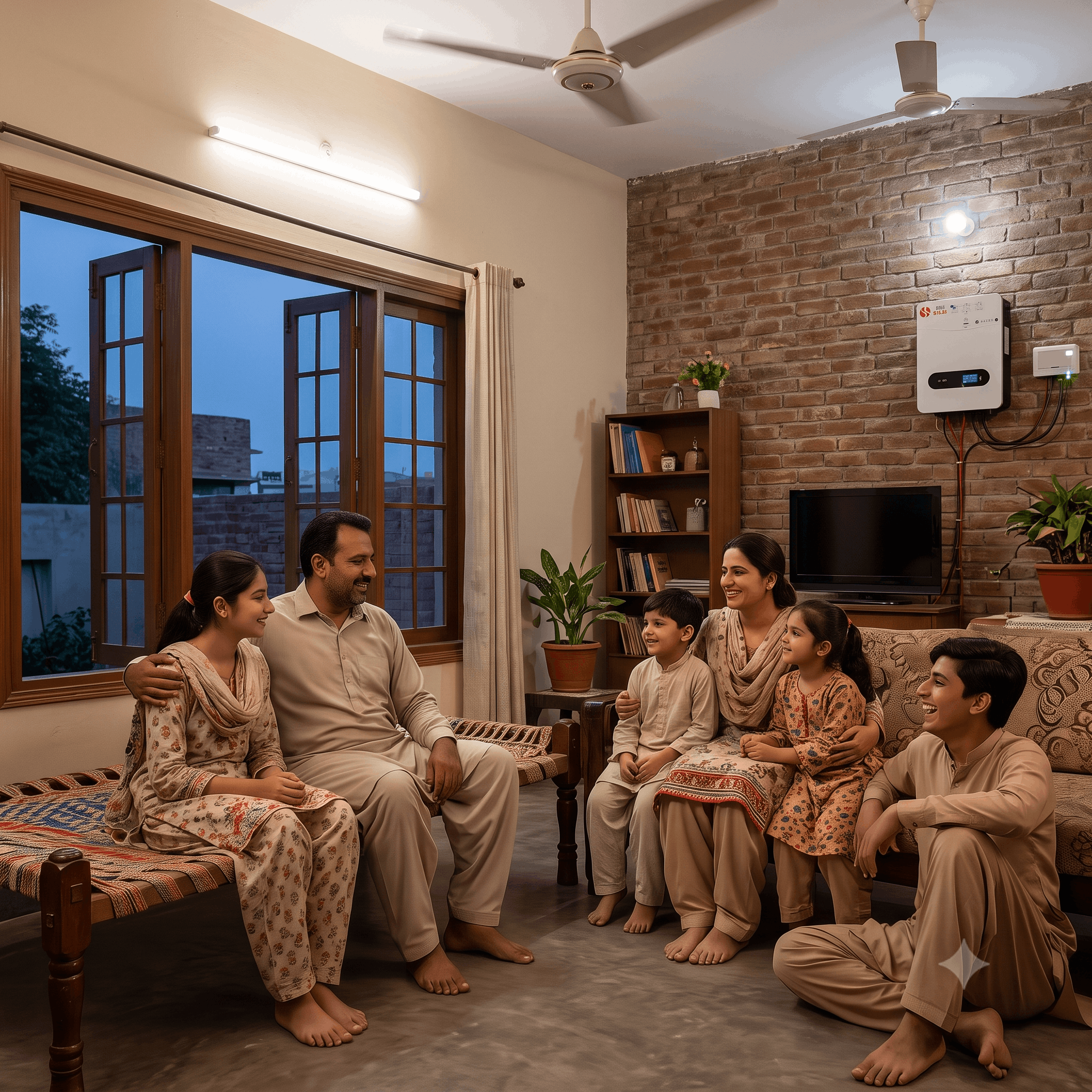
For families paying Rs. 10,000–20,000 in summer electricity bills on modest incomes, this program can genuinely free up household budget in a way that persists for years.
Apply correctly. Apply on time. Be home for the verification. And don’t pay anyone in the middle.
That’s really the whole guide in four sentences — but the details in between are what make the difference between getting approved and getting stuck.
Stuck at a specific step or got a confusing response from the portal? Leave a comment with your situation and we’ll help you figure out what to do next.
Want to reduce your electricity bills with free solar panels? Visit the official CM Punjab Solar Panel Scheme portal below to check your eligibility, complete your registration, and stay updated with the latest scheme announcements.
Apply for CM Punjab Solar Panel Scheme Official