
Nearly 15% of a Rs. 40,000 monthly salary can disappear before a single grocery item gets bought — just from getting to work and back.
That’s the math for a textile factory worker commuting daily from the outskirts of Gujranwala: two wagon changes each way, Rs. 80-100 per leg, roughly Rs. 6,000 a month, every month, for three years straight.
A motorcycle would fix the problem, but the upfront cost was the barrier — a decent new 70cc bike runs Rs. 130,000-170,000, an amount that stays out of reach when rent, food, and family expenses are already accounted for.
The Punjab government’s bike scheme changed that equation: motorcycles available on subsidized installments with government backing. The reaction on hearing about it was the obvious one — “Is this actually real? Can I actually apply?”
What follows here is everything found through researching the scheme, going through the application process, and tracking how it played out for others who applied — including the parts that didn’t go smoothly, because those are usually the parts that matter most.
What the Punjab Bike Scheme Actually Offers
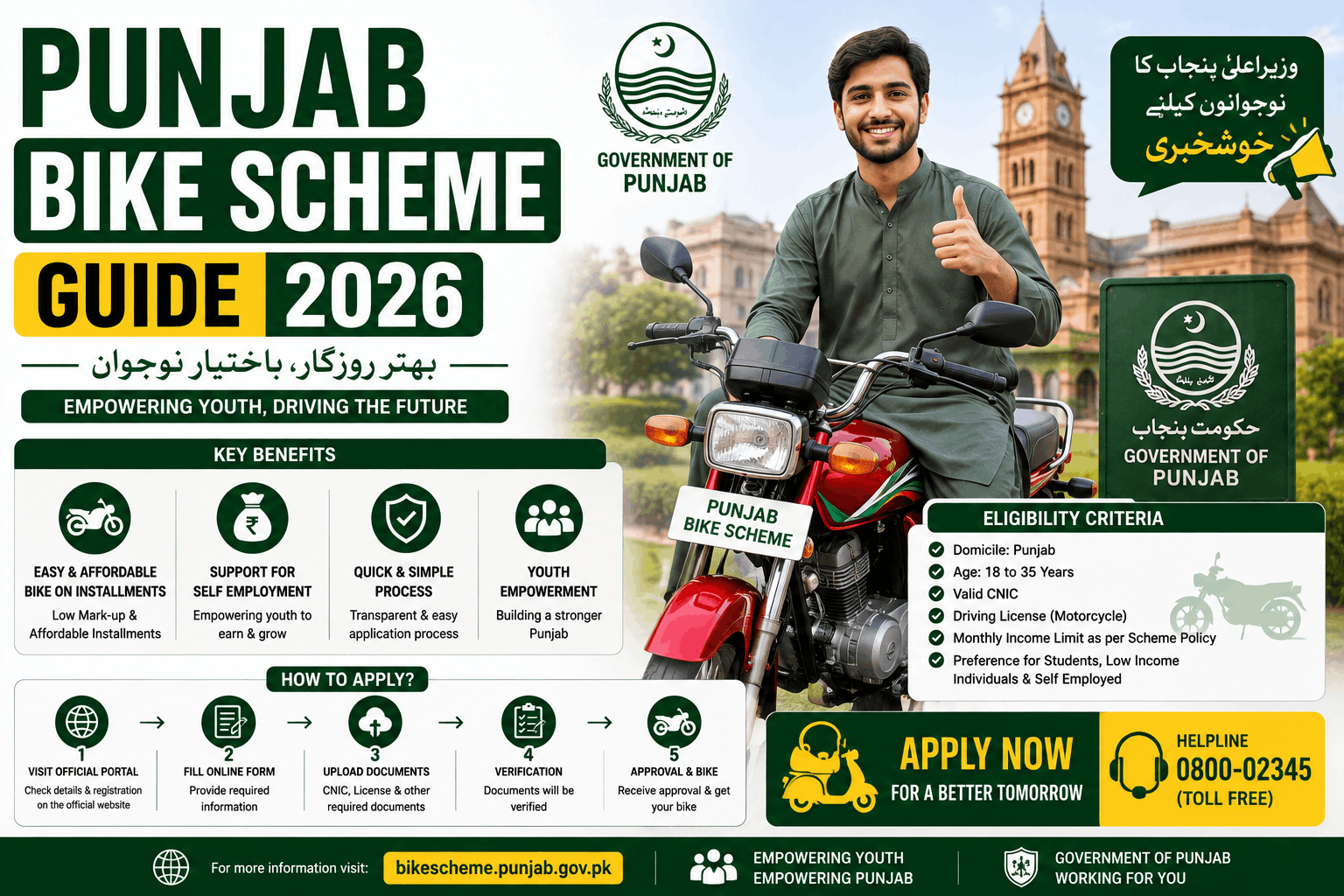
The Punjab Chief Minister’s Motorcycle Scheme (also referred to as the Punjab Bike Scheme or Apna Rozgar Motorcycle Scheme depending on the phase) is a government initiative that provides motorcycles to eligible applicants on easy installment plans with subsidized markup rates — often significantly lower than what commercial banks or motorcycle dealer financing would charge.
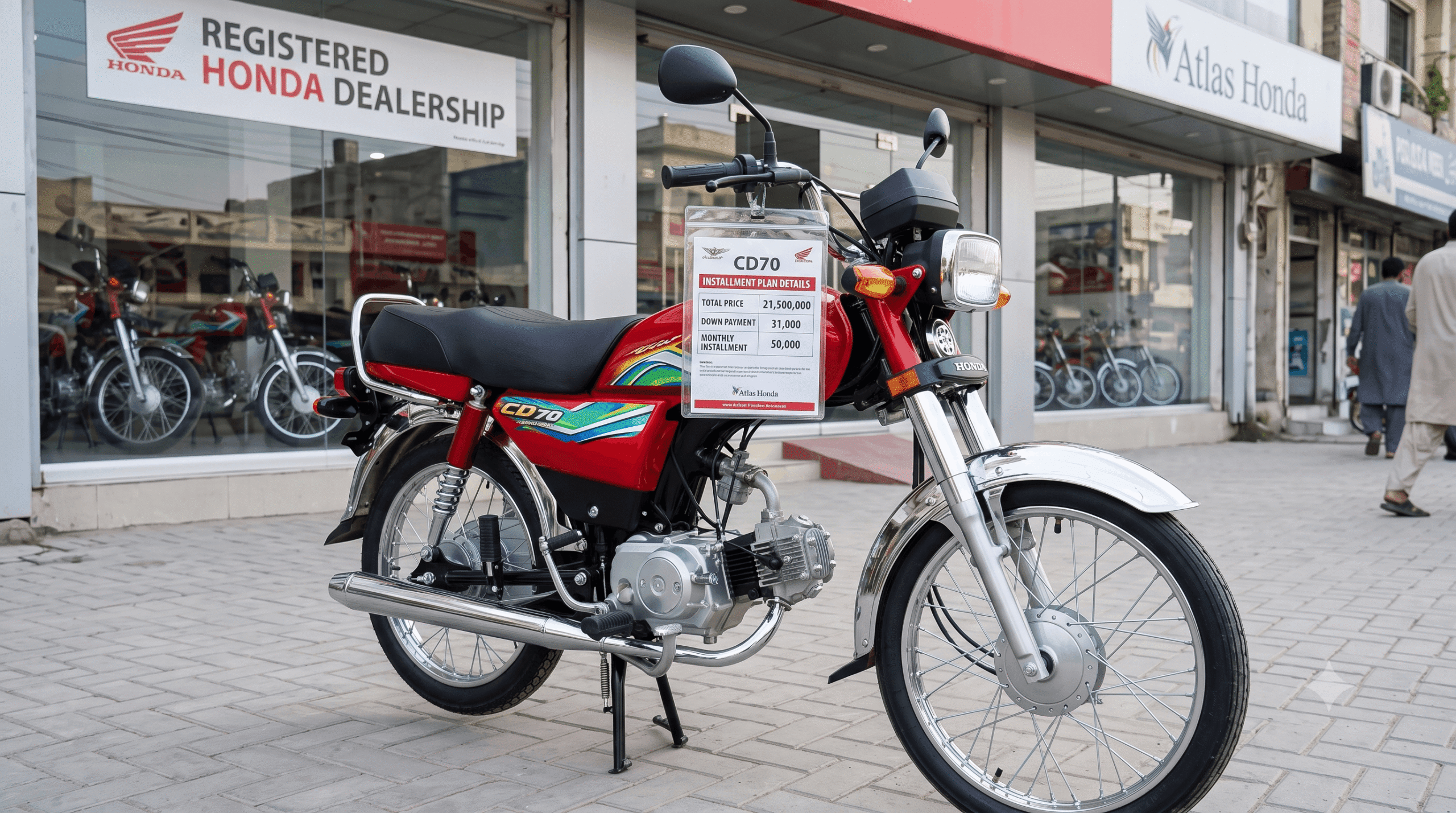
In simple terms: the government absorbs part of the financing cost so that a working-class person who can’t pay Rs. 150,000 upfront can instead pay a manageable monthly installment over 1 to 3 years.
The 2026 phase of the scheme includes:
- 70cc motorcycles for general commuting (most common category)
- Rickshaw or loader options in some phases for small business owners
- Installment periods ranging from 12 to 36 months
- Government-subsidized markup — meaning the markup/interest rate is lower than standard market rates
- A down payment requirement (typically 10–20% of the bike’s value)
- Delivery through registered motorcycle dealerships
The brands and models vary by phase but have historically included Honda, Ravi, Road Prince, United, and similar manufacturers common in Pakistan’s market.
Who Is Eligible
This is the first place people get tripped up — assuming the scheme is for everyone, then getting rejected during verification.
General eligibility criteria:
- Pakistani citizen with a valid CNIC (must be Punjab domicile)
- Age between 18 and 45 years (some phases extend to 50)
- Must not already own a motorcycle registered in your name
- Monthly income should fall within the defined range — typically targeting those earning between Rs. 15,000 and Rs. 60,000 per month
- Must have a verifiable employment or income source (salaried, self-employed, or daily wage with documentation)
- Must be able to make the down payment at time of delivery
- No existing defaulted loans in the banking system (ECIB check)
Priority categories in most phases:
- Registered daily-wage workers
- Government employees at lower pay scales (BPS 1–11 in some phases)
- Students enrolled in government colleges or universities (youth-focused phases)
- Women applicants (some phases have a dedicated quota)
- People from smaller cities and rural areas
Who typically doesn’t qualify:
- Applicants who already own a motorcycle in their name
- Applicants with a history of loan default (ECIB/credit bureau blacklist)
- Commercial applicants trying to apply personal scheme quotas for business fleets
- Applicants outside Punjab or without Punjab domicile
How to Apply — Step by Step
Step 1: Verify the Current Phase Is Open
The Punjab Bike Scheme runs in batches — not continuously. There are periods when applications are open and periods when they’re closed while the current batch is being processed.
Before anything else, confirm whether applications are currently being accepted.
Check through:
- Punjab IT Board portal (pitb.gov.pk)
- Punjab government’s official website (punjab.gov.pk)
- CM Punjab’s verified social media accounts — scheme opening announcements are usually posted here
- Your local district government office — they receive official notifications about scheme status
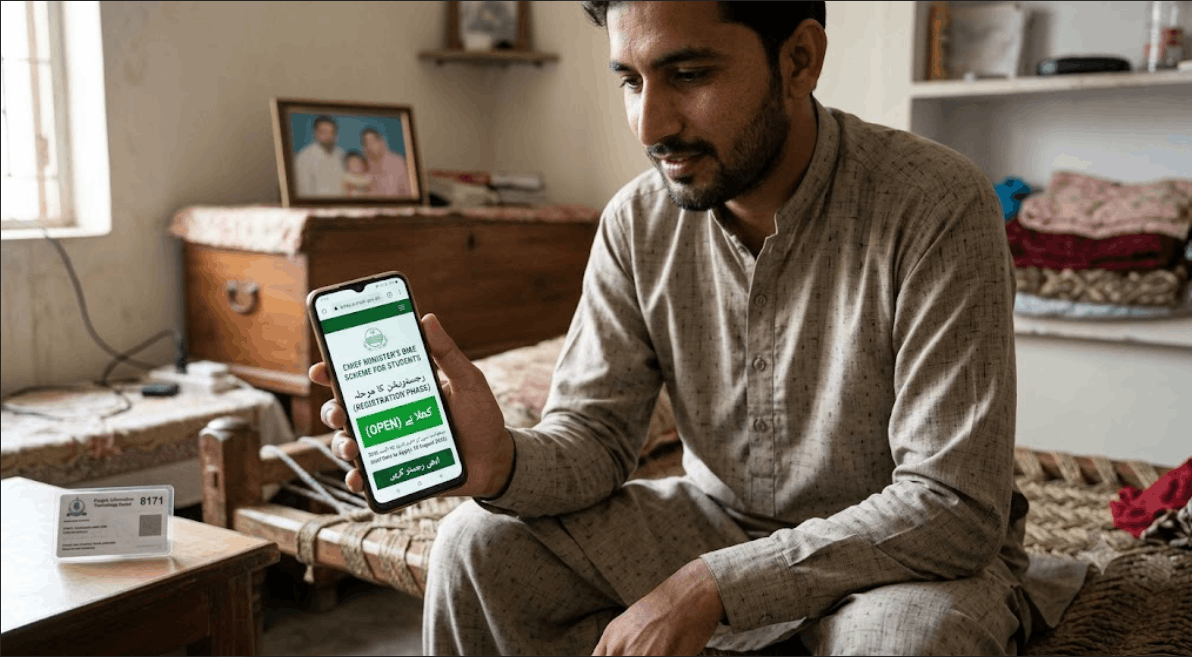
Don’t rely on WhatsApp forwards or random news websites saying “apply now.” Verify through official channels first.
Step 2: Prepare Your Documents
Once you’ve confirmed the application window is open, gather everything before you touch the form. Application portals sometimes time out, and scrambling for documents mid-application causes errors.
Typically required:
- Original CNIC (Punjab domicile)
- Proof of income — salary slip from employer, bank statement, or self-employment declaration
- Utility bill (electricity, gas) showing your residential address — matching your CNIC address
- Passport-sized photographs (digital, clear white background)
- Employment certificate if salaried (on company letterhead with stamp)
- Bank account number — you’ll need an active account for disbursement and installment setup
- Down payment readiness — not the cash itself yet, but knowing you have it available when needed
If you’re applying under the student quota, you’ll also need your enrollment certificate from your institution.
Step 3: Complete the Online Application
The application is typically submitted through the official PITB-managed Punjab government portal. When filling the form:
- Enter your CNIC exactly as it appears — character by character
- Your domicile district matters — enter the one on your official documents, not where you currently live if they differ
- Select your income category honestly — the scheme has different tiers and selecting the wrong one can cause rejection during verification
- Specify your purpose accurately — commuting to work, business, education
- Upload all documents in the specified format (usually JPG or PDF under a file size limit)
After submitting, you get a reference number. Screenshot this and save it somewhere you won’t lose it. Everything from here requires that reference number.
Step 4: Balloting or Merit Selection
Here’s the part most people don’t fully understand: applying does not automatically mean you get a bike.
In most phases of the Punjab Bike Scheme, the number of applicants far exceeds the number of available motorcycles in a batch.
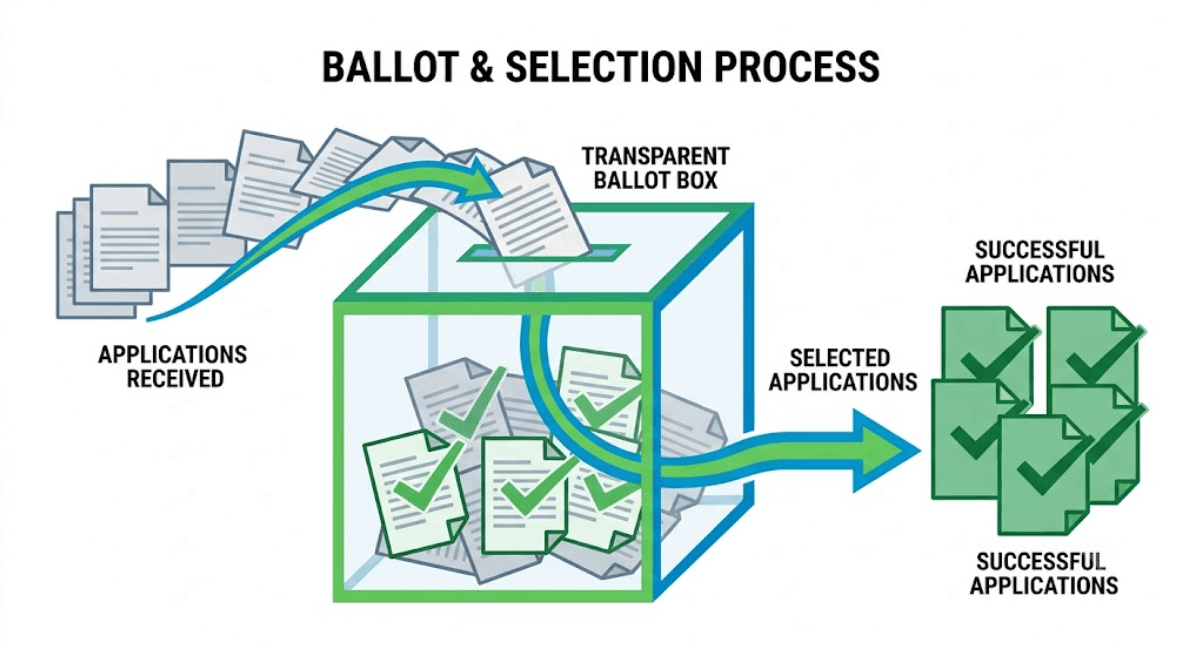
Selection is done through either a computerized ballot (random draw from eligible applicants) or a merit-based scoring system that weighs income level, domicile, employment category, and other factors.
This means you could be completely eligible and still not get selected in a particular round. If you’re not selected, your application is typically carried forward to the next batch — you don’t need to reapply from scratch.
What you can do to improve your chances:
- Apply as early in the window as possible
- Make sure every document is clear and accurate — applications with discrepancies often get filtered out before the ballot
- If your income puts you in a lower-earning bracket, that genuinely helps — the scheme prioritizes those with fewer financial options
Step 5: Verification After Selection
If you’re selected, you’ll receive notification via SMS and through the portal. Then comes a verification phase — your documents and information are physically or digitally verified against NADRA records, banking records, and employment information.
This is where applications that seemed fine at the portal stage can still fail. Common failure reasons at this stage:
- CNIC address doesn’t match utility bill address
- Income claimed doesn’t match bank statement
- ECIB check reveals an existing loan default
- It’s discovered the applicant already has a motorcycle registered in their name
If verification passes cleanly, you move to the delivery stage.
Step 6: Down Payment and Motorcycle Delivery
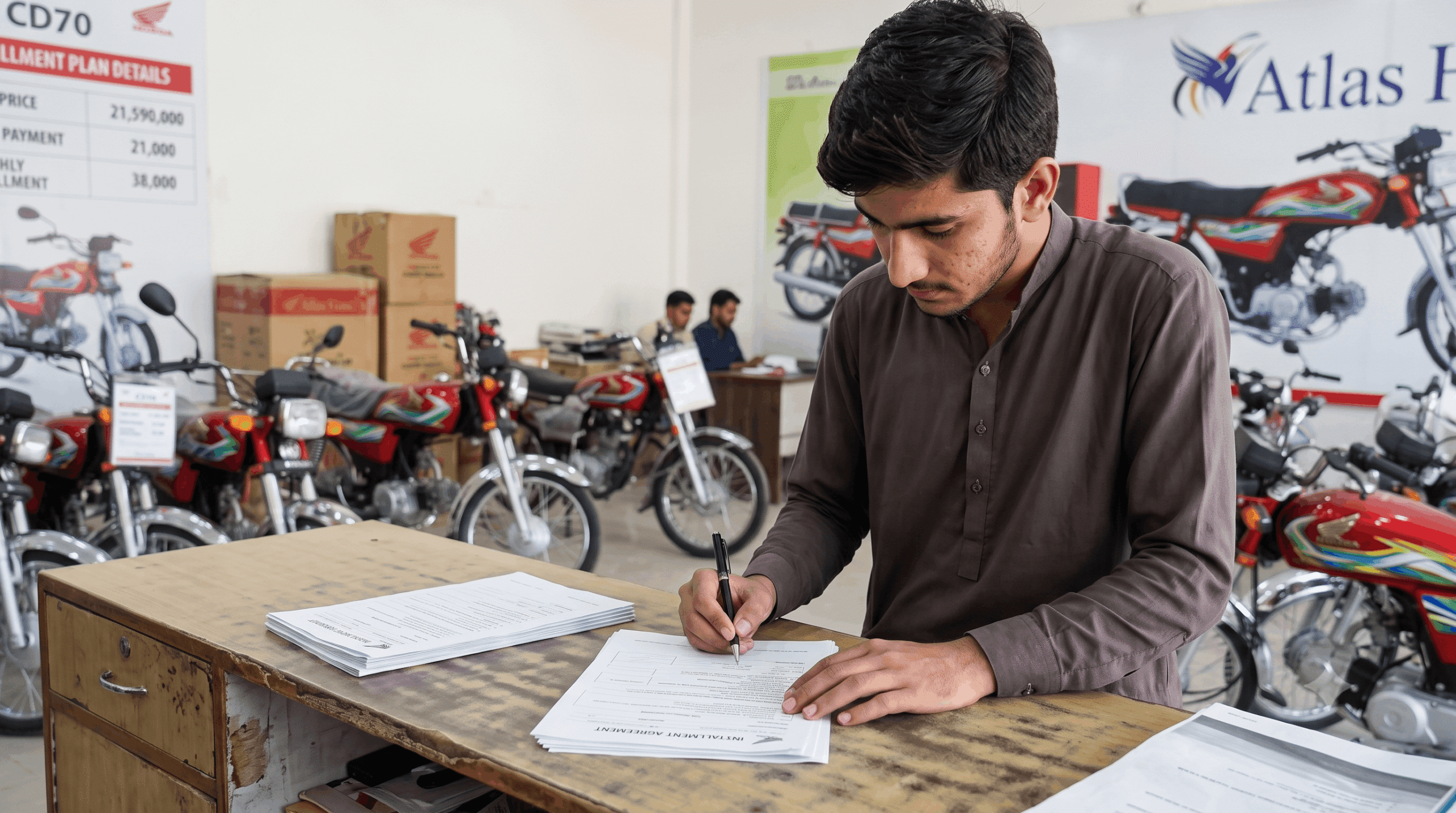
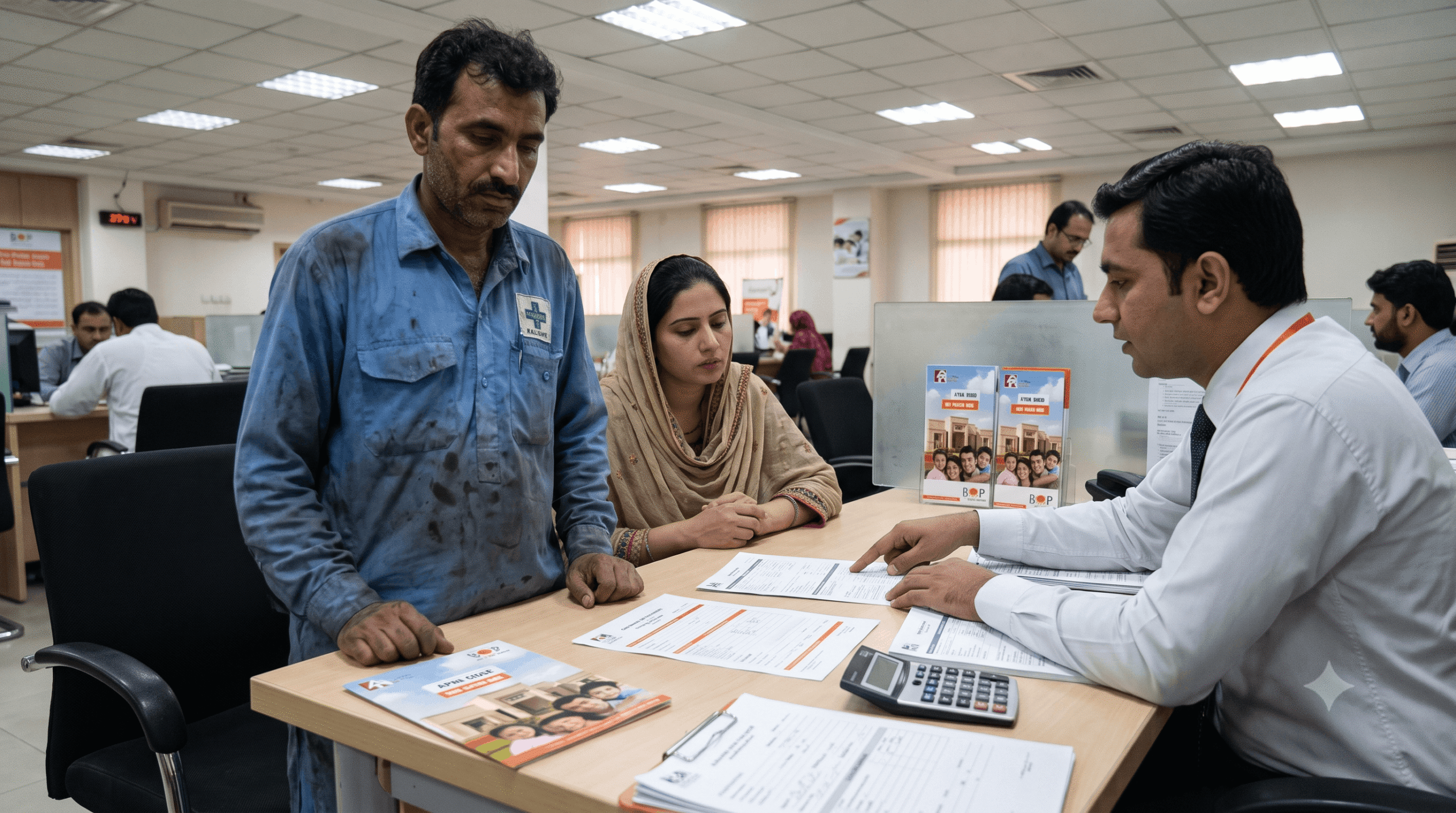
After verification, you’ll be assigned a registered dealership in your area for motorcycle collection. You bring your down payment (in cash or bank draft as specified), sign the installment agreement, and the motorcycle is handed over to you.
The installment agreement outlines:
- Total price of the motorcycle
- Government subsidy amount (reducing your effective rate)
- Monthly installment amount
- Number of installments
- Payment method (direct debit from your account or manual bank deposit)
Read this document carefully before signing. Ask what happens if you miss an installment. Ask about the process for late payments. Don’t assume — get it on paper.
The motorcycle comes registered in your name through the dealership. Keep all documentation: purchase agreement, registration documents, scheme certificate.
What Happened with Bilal — The Real Story
Bilal applied in January during the first week the application window opened for his district. He had his documents ready, his employer gave him a salary slip on company letterhead, and everything submitted cleanly.
He was selected in the balloting in February.
Verification took about three weeks. One hiccup:
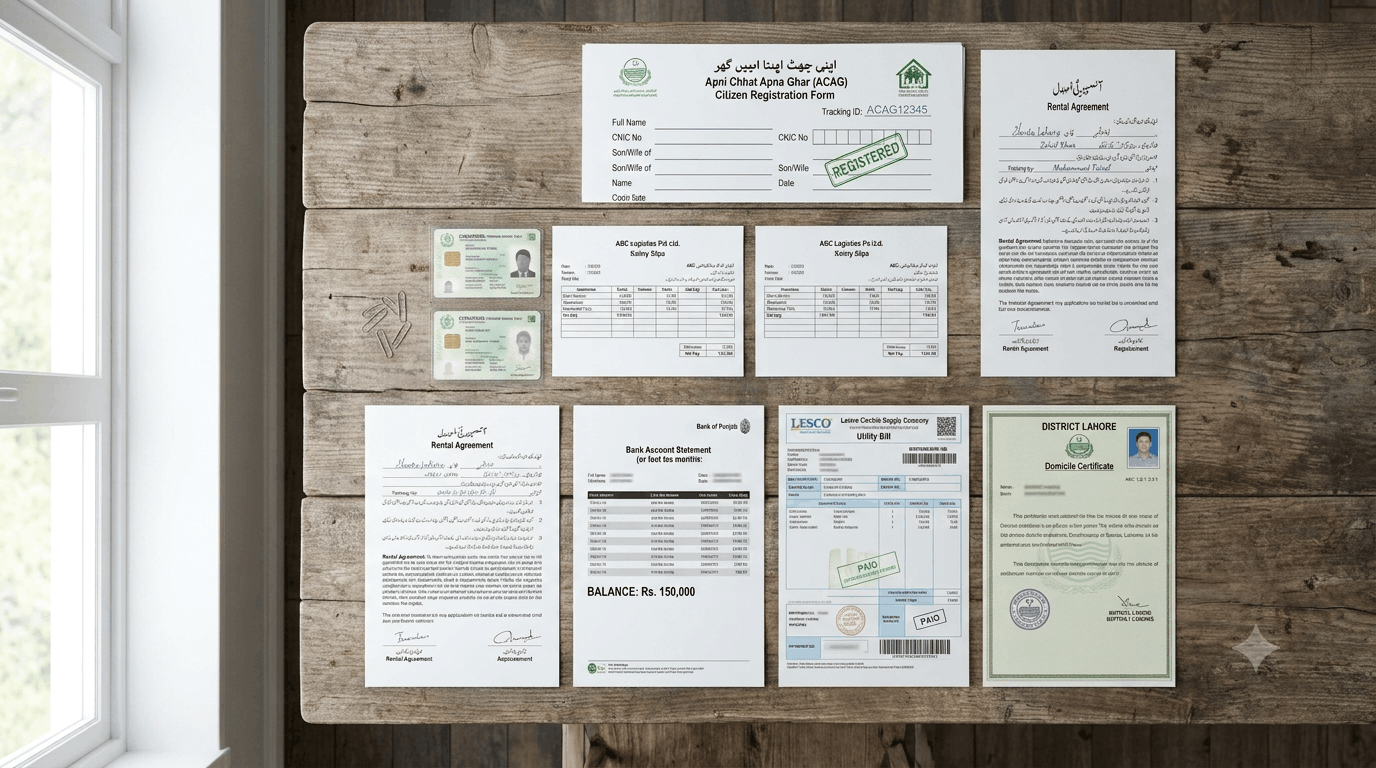
his CNIC showed his parents’ house address in a different neighborhood, but his utility bill was in his wife’s name at their current rented apartment. The address mismatch flagged his application.
He had to go to the NADRA office, update his CNIC address to the current residence, and then resubmit the verification documents. This cost him about 12 extra days and an extra Rs. 300 for the CNIC update. But it went through.
He got his 70cc Honda CD70 in March.
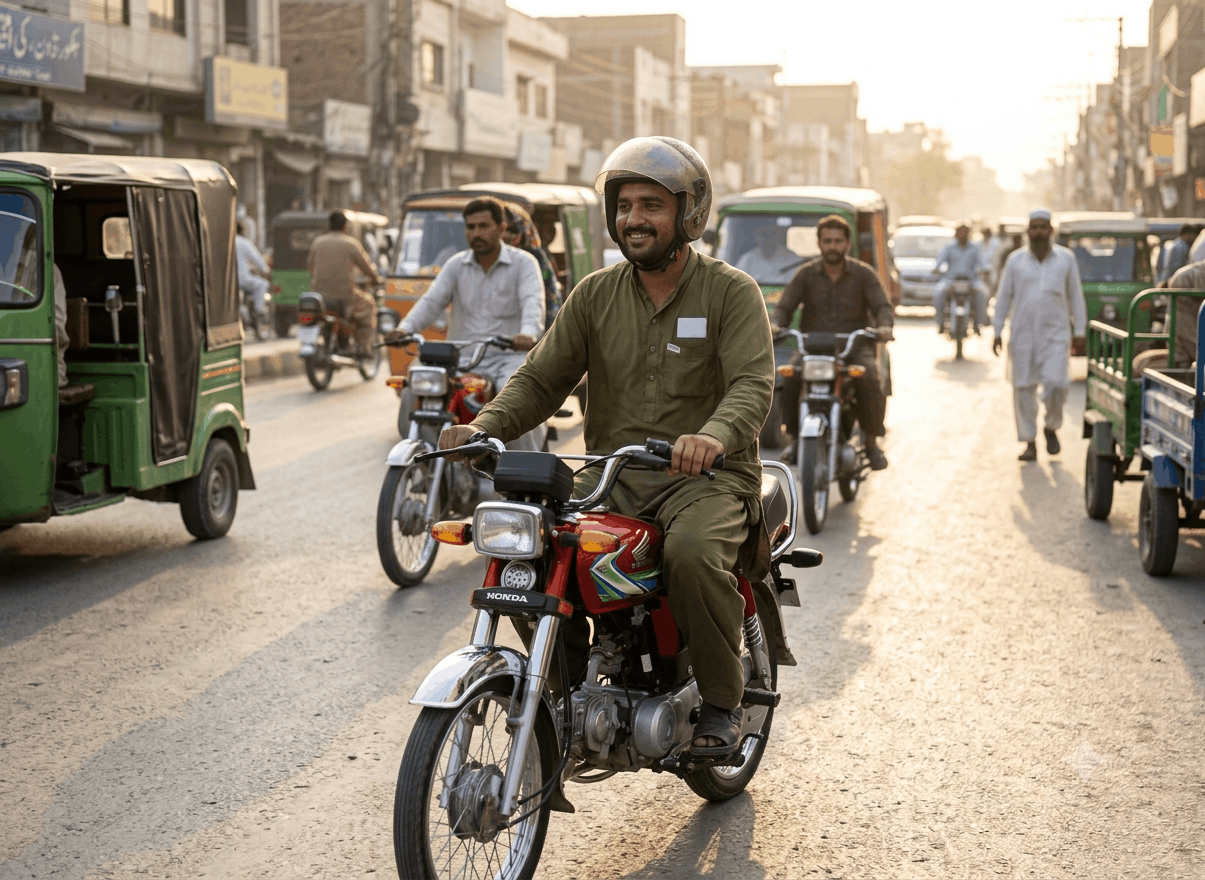
His monthly commute cost dropped from Rs. 6,000 to roughly Rs. 1,200 in fuel. The bike installment is Rs. 4,200 per month. Even adding the installment, he’s net saving Rs. 600 per month compared to wagon fare — and building equity in an asset at the same time.
He’s genuinely happy with how it turned out. Though he did say he wished he’d updated his CNIC address before applying to avoid the hassle.
Mistakes That Sink Applications
Not checking CNIC address beforehand. This was Bilal’s issue. Your CNIC, utility bill, and bank account all need to show consistent address information. Check this before applying, not after getting flagged.
Having a motorcycle already registered in your name. NADRA records are checked. If there’s a motorcycle in your name — even an old one you sold informally without transferring ownership — it’ll show up and disqualify you. Properly transfer any previously owned bikes before applying.
Defaulted loans you forgot about. An old microfinance loan, a bank loan from years ago that was settled informally but not properly closed — these can show up in ECIB (credit bureau) checks and block your application. Check your ECIB status before applying. You can do this through the State Bank of Pakistan’s consumer portal.
Applying during closed windows. People try to apply between batches and wonder why the portal isn’t accepting submissions. The form only accepts applications during announced windows. No window = no application.
Inflating income on the form. The scheme targets lower-income applicants. Inflating income to seem “more credible” can actually push you out of the priority bracket and reduce your selection chances. Report your actual income.
Not being ready with the down payment. Some applicants get selected, pass verification, are assigned a dealership — and then can’t produce the down payment when it’s time. This results in forfeiting your slot and going back to the applicant queue. Have the down payment genuinely available before you apply.
Using unofficial intermediaries. Near government offices in Punjab, there are always people offering “guaranteed selection” or “fast-track application help” for a fee. The scheme has no such mechanism. Anyone making such promises is scamming you.
Quick Document Checklist
| Document | Purpose |
|---|---|
| CNIC (Punjab domicile) | Primary ID and eligibility proof |
| Salary slip / income proof | Income bracket verification |
| Utility bill (matching address) | Residence verification |
| Bank account details | Installment setup and disbursement |
| Passport photo | Application registration |
| Employment certificate | Income verification for salaried applicants |
| Enrollment certificate | For student quota applicants |
| Down payment funds | Required at motorcycle collection |
One Thing Worth Understanding About the Installment
The scheme’s subsidized markup sounds great — and it genuinely is better than commercial dealer financing. But “subsidized” doesn’t mean free.
You’re taking on a debt obligation. The monthly installment is a fixed commitment for 12 to 36 months. If your income situation changes — job loss, medical emergency, family crisis — you’re still on the hook for those payments.
This isn’t a reason not to apply. It’s a reason to apply thoughtfully. If your budget can genuinely absorb the monthly installment without creating a different financial crisis, the scheme is excellent value. If you’re already stretched thin and the installment would be a stretch every single month, think carefully about whether this is the right time.
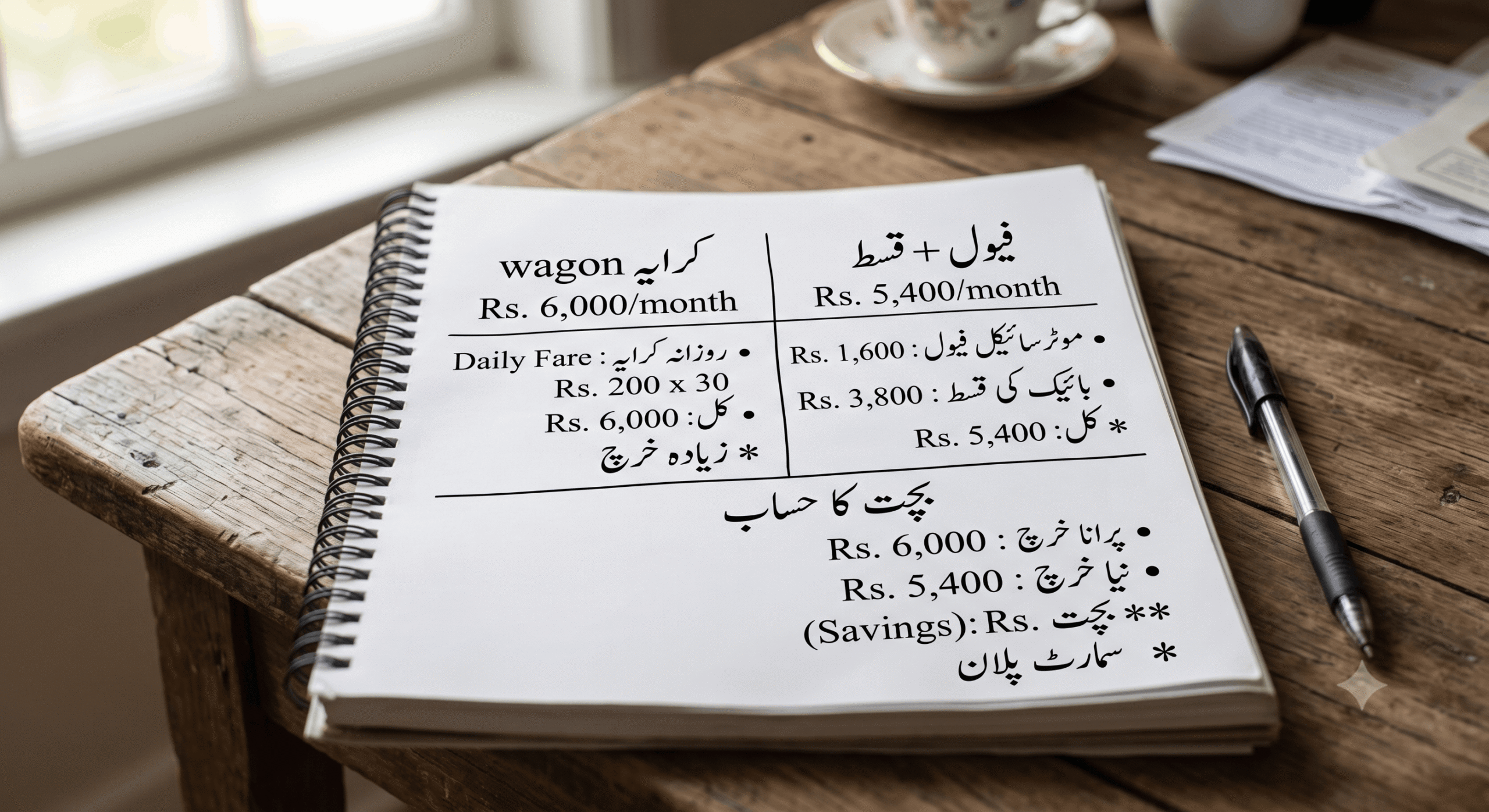
Bilal’s math worked out because the installment plus fuel was still less than what he was paying in wagon fare. That’s the ideal scenario — the motorcycle pays for itself through savings it creates.
Do your own version of that math before you apply.
If you’re a student looking for an affordable bike through the Punjab Government’s subsidy scheme, visit the official CM Punjab Bike Scheme portal below to check the latest eligibility criteria, available bike options, and complete your online application.
Apply for Punjab Bike Scheme OfficialHave a specific question about your application status, document requirements, or the balloting process? Drop a comment below and we’ll try to help you figure out the next step.