
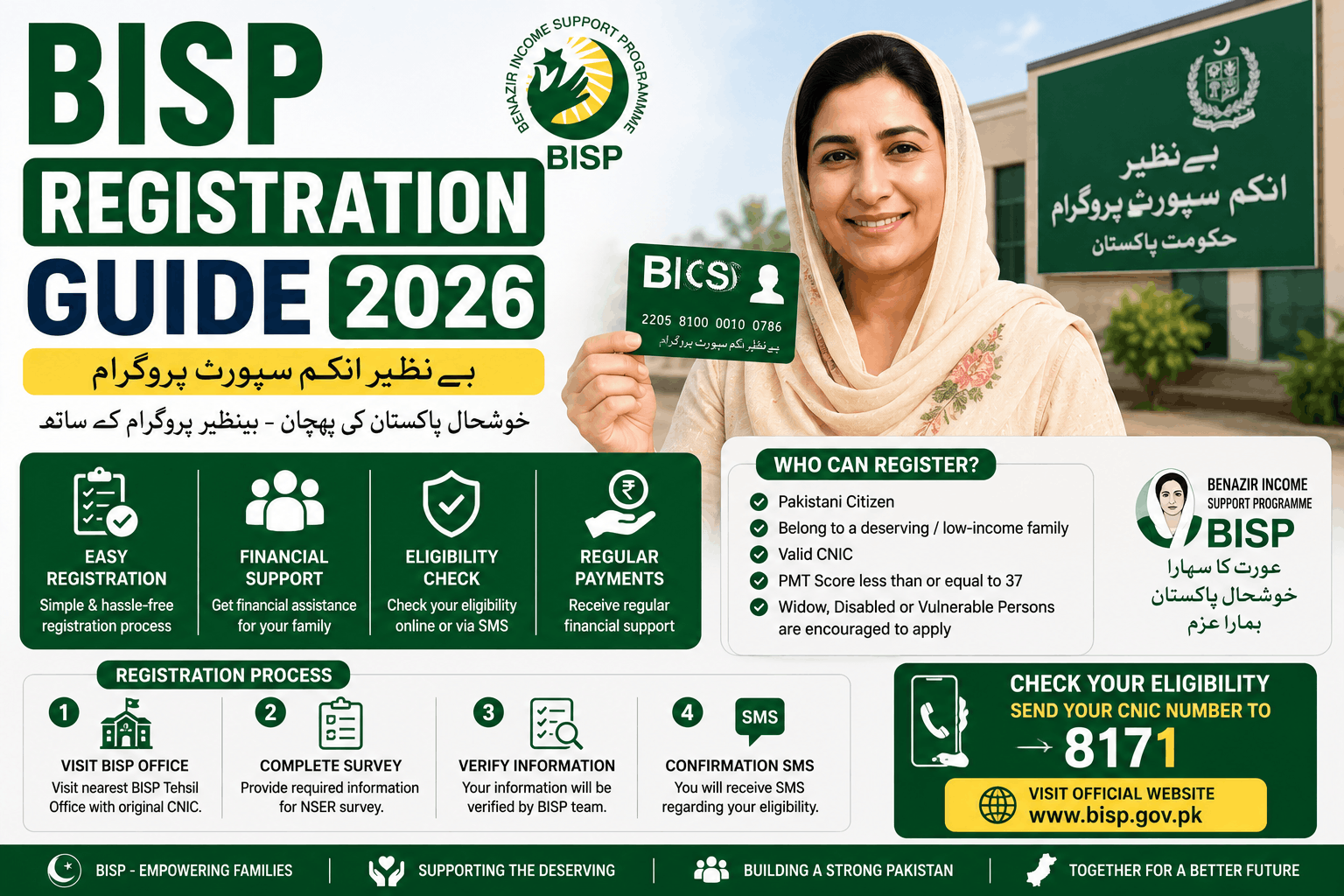
Seven separate office trips. That’s what it actually took for one woman to go from “trying to register for BISP” to “receiving her first payment” — a process that took nearly two years, not because she was ineligible, and not because the program wasn’t available in her area.
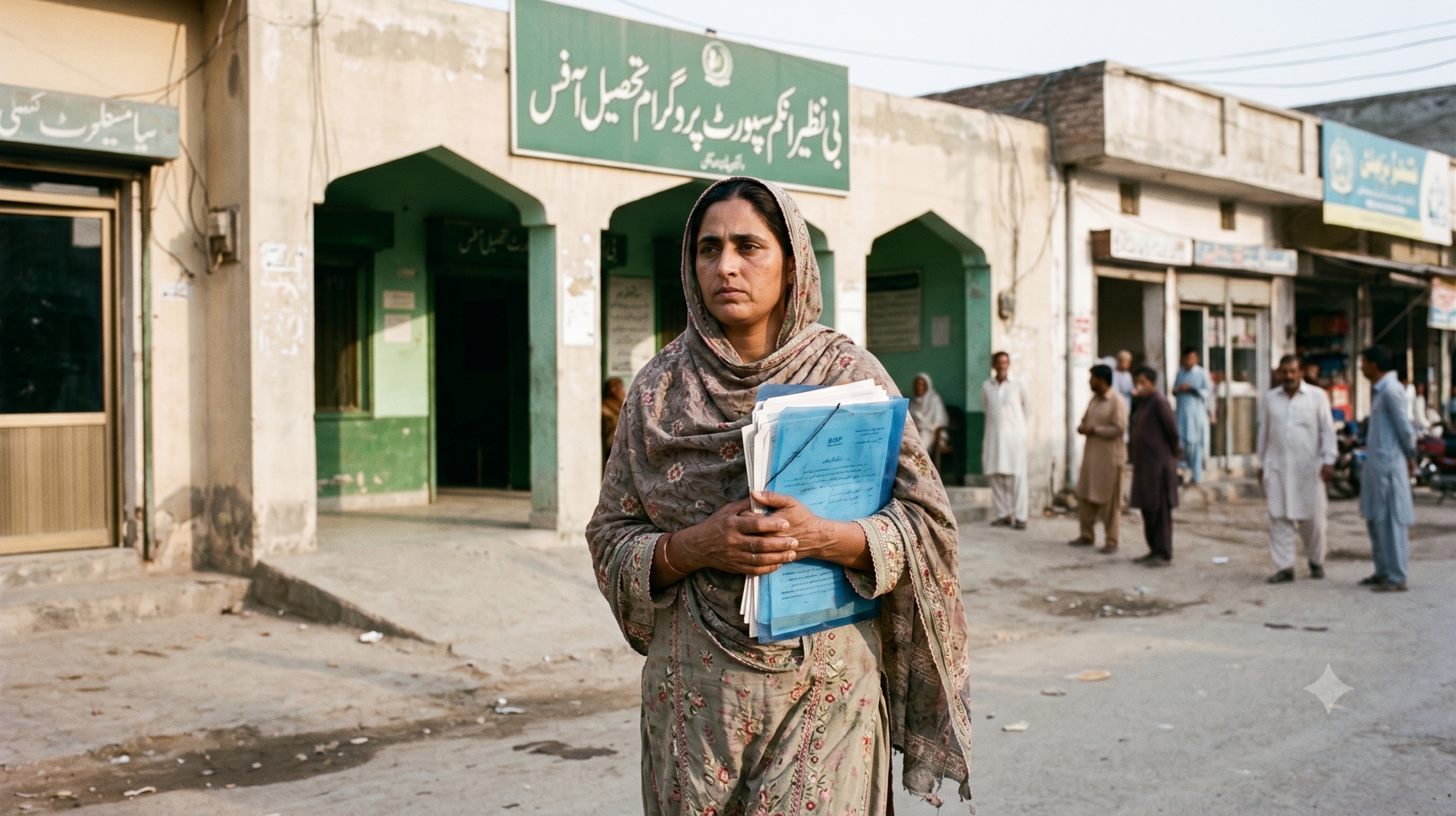
The wrong office on trip one. Missing documents on trip two. A survey team that visited while nobody was home. A CNIC that needed renewal before anything else could proceed. None of it was a single big obstacle — it was a string of small, avoidable ones, each adding weeks.
Most of that friction was fixable with the right information upfront. Some steps genuinely require showing up in person — that part doesn’t change. But the confusion about which office, what documents, and what to expect at each stage is exactly what turns a two-week process into a two-year one.
This guide walks through BISP registration in the order it actually needs to happen — for a first-time registration, or for anyone helping someone who should be registered but isn’t yet.
First, Understand How BISP Registration Actually Works
Before we get into steps and documents, it helps to understand the underlying system — because BISP registration isn’t like filling out an online form or walking into an office and handing someone your ID.
BISP eligibility is determined by the NSER (National Socio-Economic Registry) — a massive household survey conducted across Pakistan.
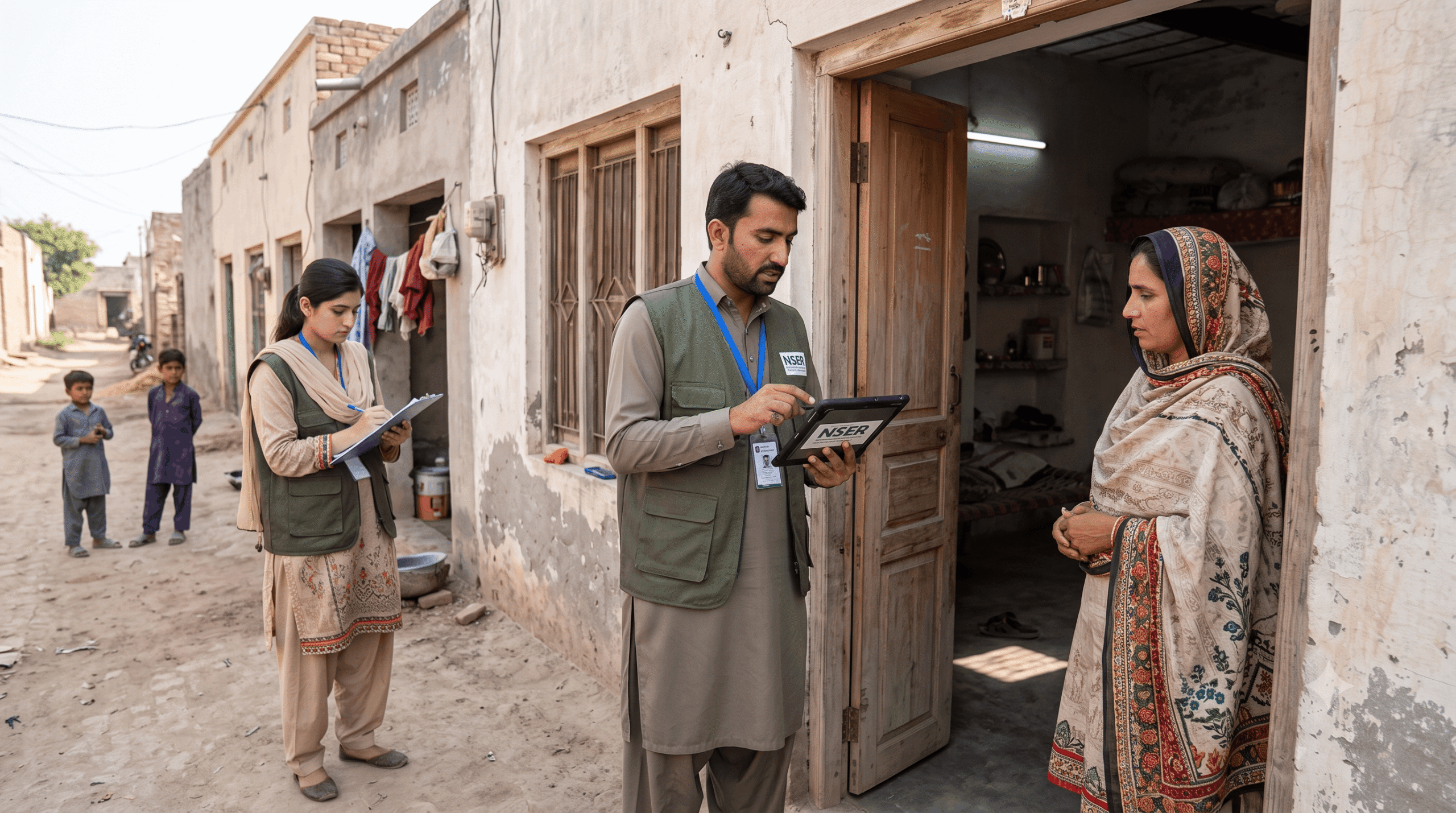
Survey teams physically visit homes, collect information about the household’s living conditions, income sources, assets, and demographics, and feed that data into a system that calculates a PMT (Proxy Means Test) score.
If your PMT score falls below the eligibility threshold, you’re registered as a BISP beneficiary. If it’s above, you’re not — regardless of how poor you actually feel your situation is.
This means the “registration” process isn’t really about applying in the traditional sense. It’s more about making sure your household has been surveyed, that the data collected was accurate, and that your CNIC and other records are in order so the system can process you correctly.
Keeping that in mind changes how you approach the whole process.
Who Is Actually Eligible for BISP?
This is the question people ask first, and the honest answer is: it depends on your PMT score, which depends on your NSER survey data.
That said, BISP is designed for:
- Low-income households across Pakistan
- Female-headed households (the payment is specifically disbursed to women)
- Families with limited or no formal employment
- Households without significant assets (land, vehicles, property)
- Households not already receiving other major government cash transfers
What tends to push a PMT score higher (and potentially out of eligibility range):
- Owning agricultural land above a certain threshold
- Having a household member in formal government employment
- Owning a car or motorcycle registered in the household
- Living in a pucca (concrete/brick) house with multiple rooms
- Having children enrolled in private schools
None of these automatically disqualify you — it’s a combined score. But they factor in.
If you’re genuinely low-income but have one or two of these factors, it’s still worth going through the survey process. The score is cumulative, not a checklist.
Step-by-Step: How to Get Registered in BISP
Step 1 — Check If Your Household Has Already Been Surveyed
Before doing anything else, find out whether an NSER survey team has already visited your home.
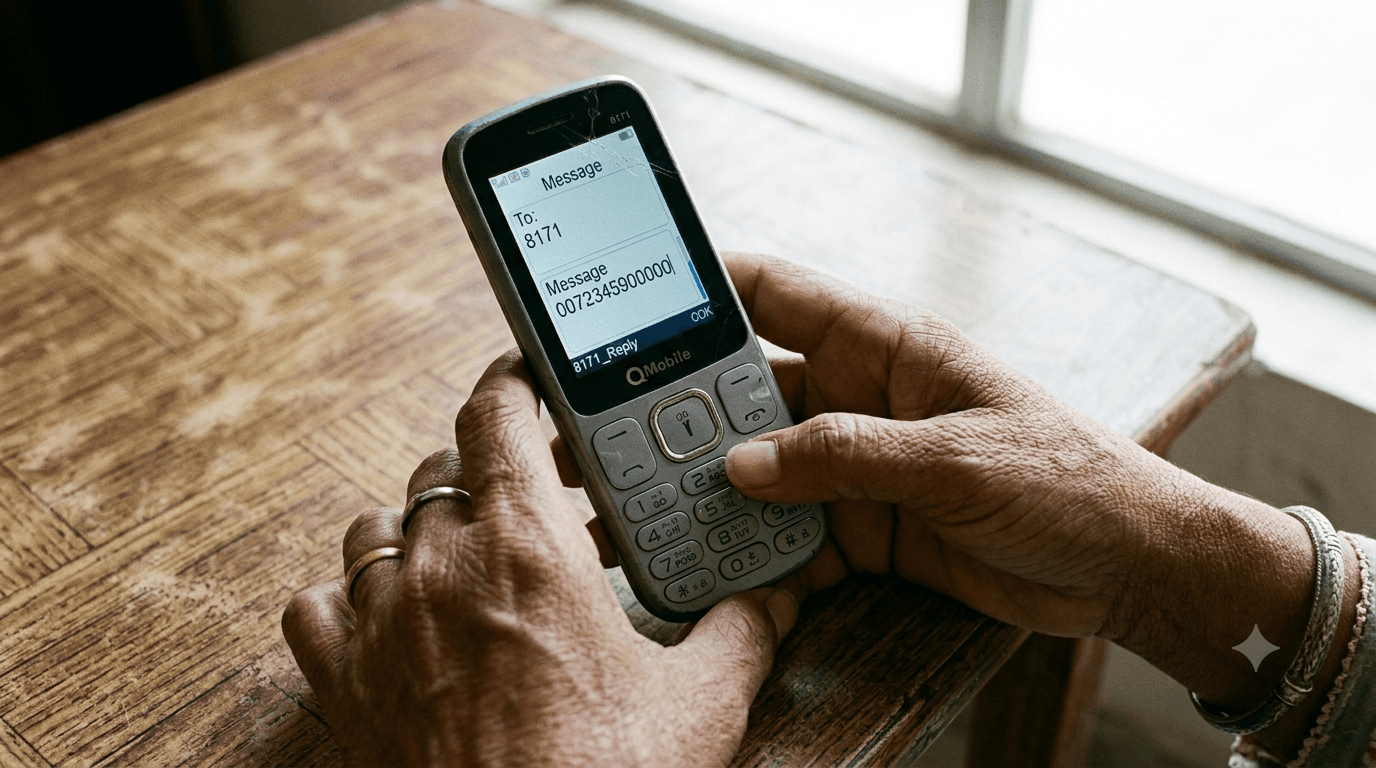
Send your 13-digit CNIC number to 8171 via SMS. The reply will tell you your current status. If it comes back with “survey incomplete” or “not registered,” that tells you your household either wasn’t surveyed or the data wasn’t properly entered.
If the reply shows you as “not eligible,” it means you were surveyed but your PMT score came out above the threshold. That’s a different issue — we’ll cover that below.
This one SMS check tells you which path you’re on before you waste a trip anywhere.
Step 2 — Get Your CNIC in Order
BISP cannot register you if your CNIC is expired, mismatched with NADRA records, or not yet issued.
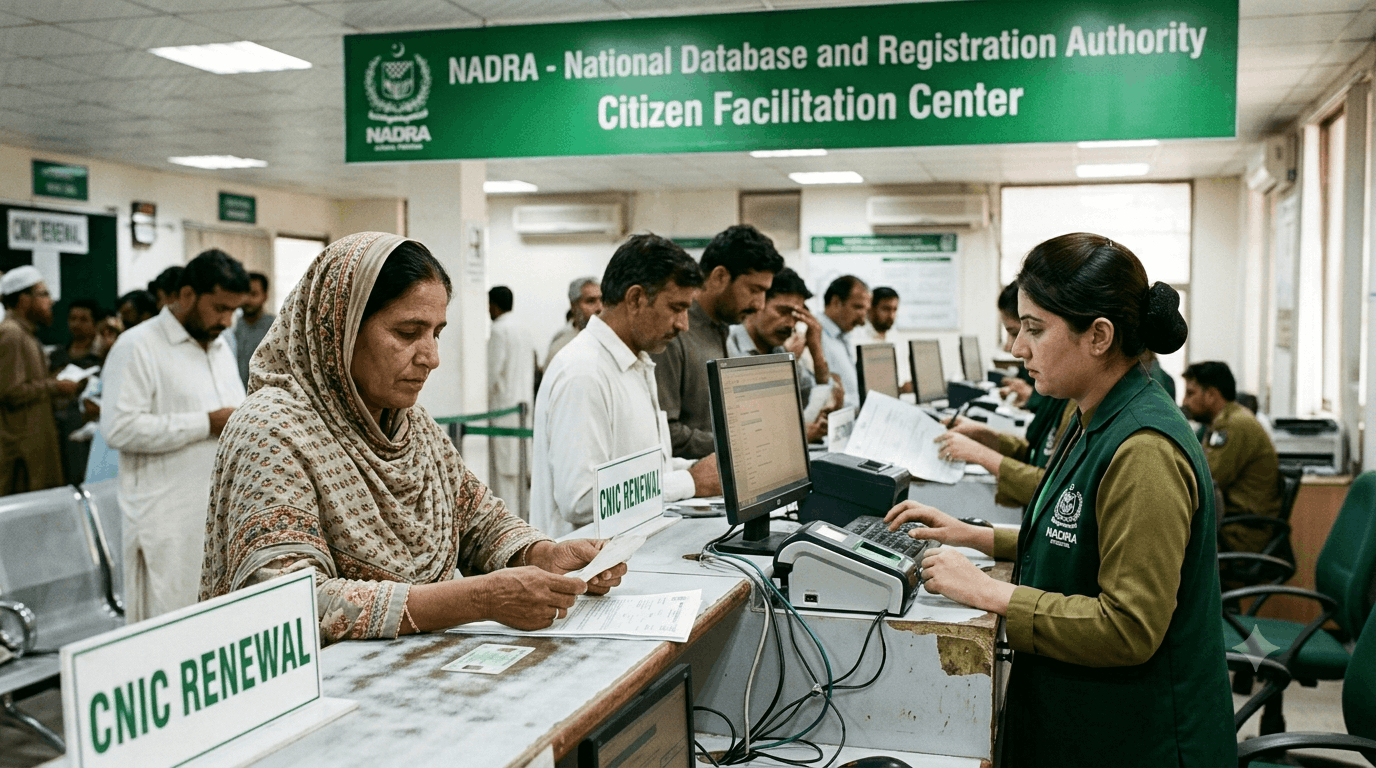
The payment is made to the female beneficiary in the household — so the woman’s CNIC specifically must be valid and current. If her CNIC is expired, renew it at NADRA before doing anything else with BISP.
Same goes for B-Forms for children. While not always required at the initial stage, having updated family documentation helps avoid complications later.
NADRA offices can be slow. If there’s a NADRA Facilitation Center in your area, those sometimes process things faster than the main office. Some urban areas also have NADRA e-Sahulat centers at larger post offices.
Do not skip this step. We’ve seen people go through the entire BISP registration process only to have payments blocked because the CNIC had expired after registration. Get the CNIC sorted first.
Step 3 — Visit Your Nearest BISP Tehsil Office
If your household hasn’t been surveyed, or if your survey data is showing as incomplete, the next step is visiting your nearest BISP Tehsil Office (also called a BISP Tehsil Desk or District Office).
To find the nearest one:
- Call the BISP helpline: 0800-26477 (toll-free)
- Ask specifically for the Tehsil Office address for your area — not just the district office
When you go, bring:
- Original CNIC of the female beneficiary (not a photocopy — original)
- Original CNICs of all adult household members if possible
- B-Forms for children under 18
- Utility bills (electricity or gas) for the address — helps verify your residence
- A registered mobile number you actively use
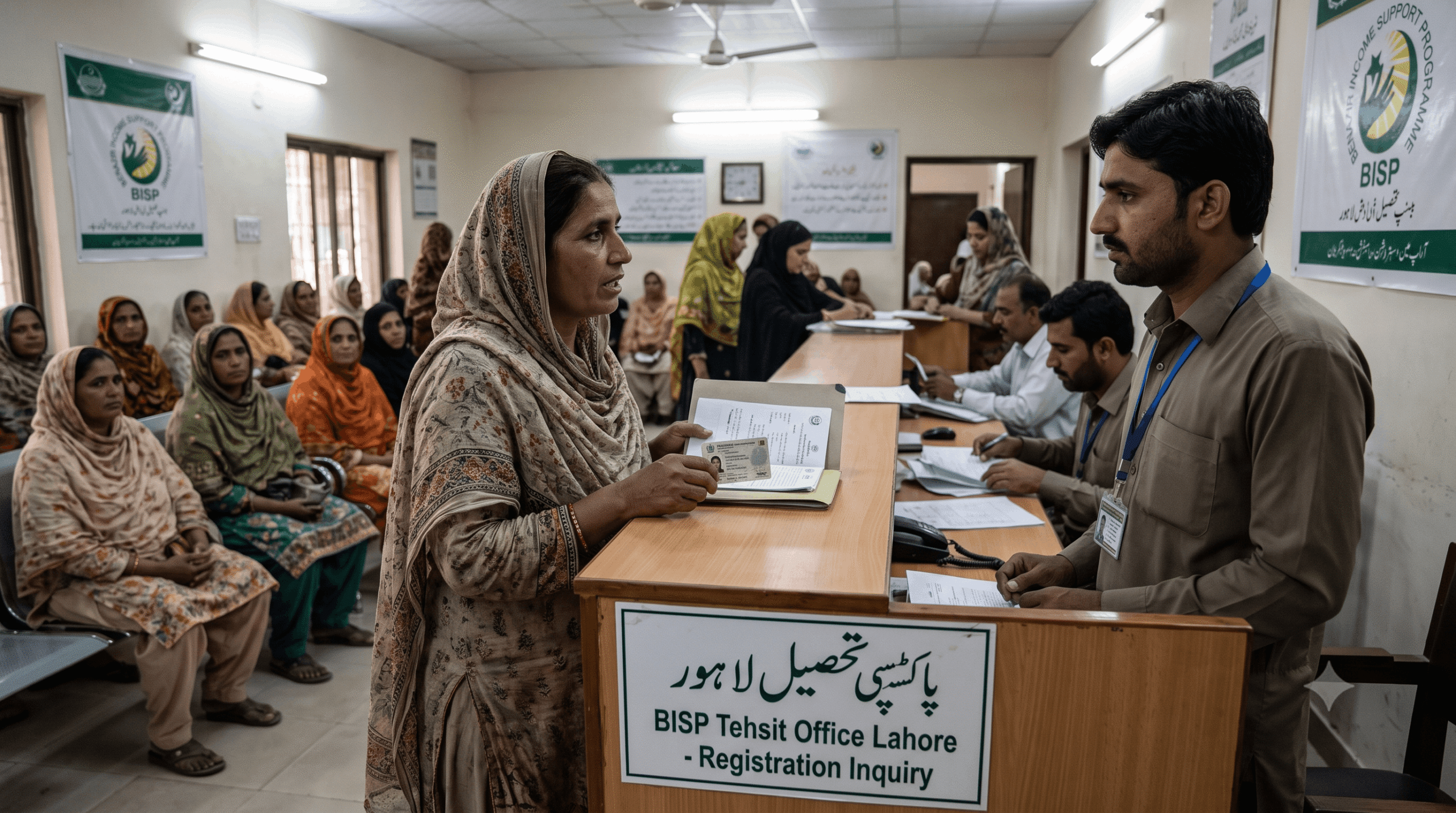
At the Tehsil Office, explain that your household has not been surveyed or that you want to be included in the NSER. They will either:
a) Schedule a survey team to visit your home b) Take your information and enter it into the system for a survey c) Tell you your area is in an upcoming survey wave and register your household for it
Step 4 — The Survey Visit
At some point after your Tehsil Office visit, a survey team will come to your home. This is where many people make a critical mistake: not being home when they arrive.
Survey teams often cover multiple households in a day and may not return if nobody is available. If you’ve been told a team is coming, make sure an adult — ideally the female beneficiary — is home during the expected visit window.
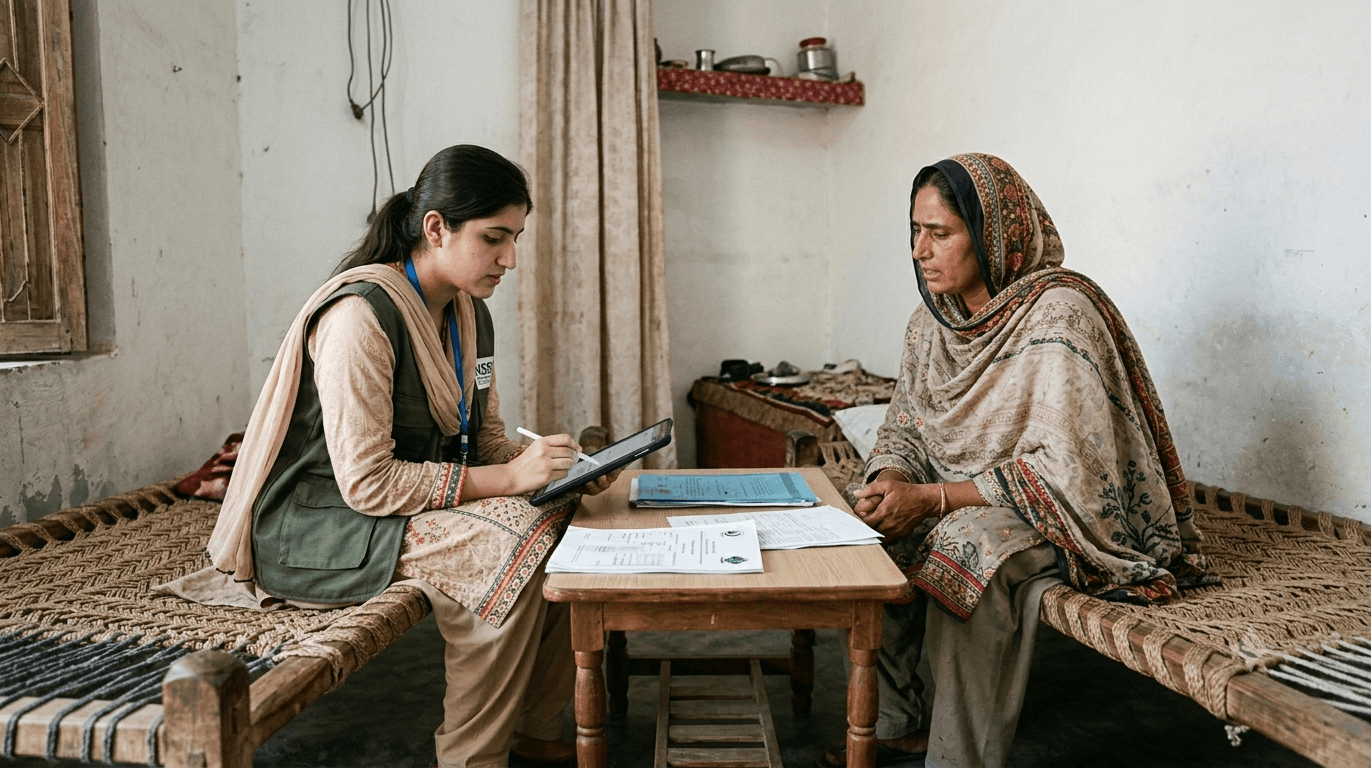
During the survey, the team will ask about:
- Number of rooms in the house and construction material (mud, brick, concrete)
- Ownership of the house and land
- Household income sources — daily wage, agriculture, business, remittances
- Assets — motorcycle, car, refrigerator, TV, mobile phone
- Household members — ages, education levels, employment
- Children’s school enrollment (government vs. private)
Answer honestly. The survey data is what determines your PMT score. Inflating your situation to seem poorer might seem tempting, but if it’s found to be inaccurate during verification, it can lead to removal from the program and future disqualification.
At the same time, don’t undersell your situation out of confusion. If something doesn’t apply to you — if you don’t own land, for instance — say so clearly.
Step 5 — Wait for the Score and Status Update
After the survey, the data goes into the NSER system and a PMT score gets calculated. This process can take anywhere from a few weeks to a few months depending on the area and the current survey cycle.
During this waiting period, keep checking the 8171 SMS system every couple of weeks. When your status changes from “survey incomplete” to either “eligible” or “not eligible,” you’ll know the process has run its course.
If you’re marked eligible, your name gets added to the BISP beneficiary list and payment processing begins.
If you’re marked not eligible, the next step is the appeals process — which we cover below.
Step 6 — Biometric Registration for Payment Collection
Once you’re confirmed eligible,
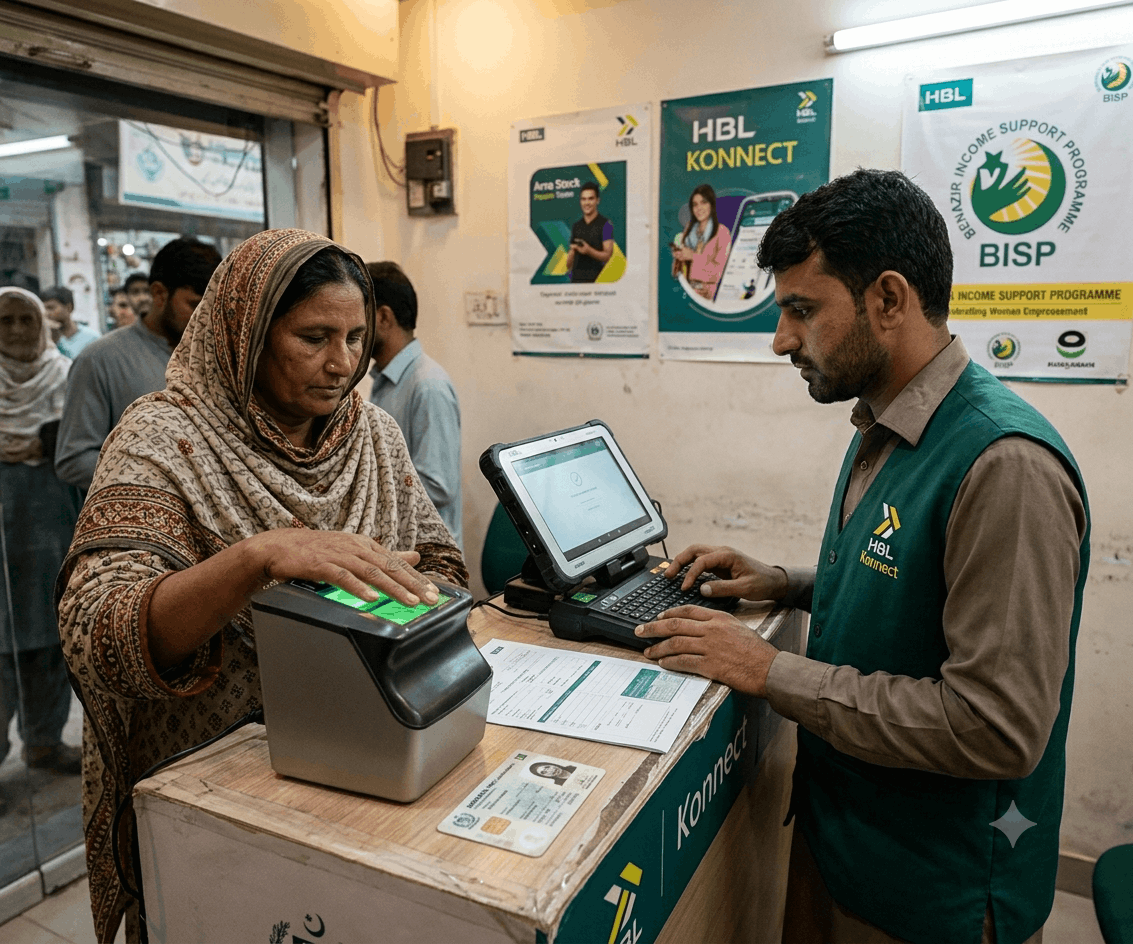
you need to complete biometric registration at a BISP payment point — usually an HBL Konnect agent or a designated BISP payment center.
This involves:
- Bringing your original CNIC
- Having your fingerprints scanned and matched against NADRA records
- Confirming your mobile number for payment notifications
After biometric registration is complete, you’re set up to receive payments. The first payment may arrive within the current quarter or the next one depending on timing.
What If You Were Surveyed But Marked “Not Eligible”?
This is where people often give up — and they shouldn’t.
PMT scores can be wrong. Survey teams make data entry errors. A household might be scored based on a neighbor’s assets accidentally attributed to them. A household member who no longer lives there might still be counted.
You have the right to file a complaint or reconsideration request at your BISP Tehsil Office. Bring:
- Your CNIC
- A written explanation of why you believe the score is incorrect
- Any supporting documentation (proof of house type, land ownership records, household composition)
BISP has a formal grievance process. It takes time — sometimes months — but it does result in scores being revised when there’s a genuine error.
Don’t go to the office angry or confrontational. The officers processing these requests deal with hundreds of cases. Come prepared, be specific about what you believe is wrong, and ask clearly what documentation they need to reconsider.
Common Mistakes That Delay or Block Registration
Sending an expired CNIC. The system will flag it immediately. Renew first.
Going to the wrong office. The BISP district office and the BISP tehsil office are different things. For registration issues, you want the Tehsil level. District offices handle administrative matters, not individual registrations.
Not being home for the survey team. If they come and nobody answers, you may wait months for the next survey wave in your area.
Providing a phone number you don’t use. Your registered mobile number is how BISP notifies you of payment releases and status changes. If it’s someone else’s number or a number you don’t have access to, you’ll miss critical updates.
Assuming one visit is enough. Registration often takes multiple touchpoints — an initial Tehsil visit, a survey, a follow-up, biometric registration. Go in expecting a process, not a one-stop transaction.
Trusting unofficial “agents.” Some people set up informal services near BISP offices claiming they can speed up registration for a fee. They can’t. BISP registration is free. Anyone asking for money to register you is either running a scam or doing something that could actually harm your application.
What Documents to Bring — Quick Reference
| Document | Why It’s Needed |
|---|---|
| Original CNIC (female beneficiary) | Primary identification for registration |
| Original CNICs of adult household members | Household composition verification |
| B-Forms for children | Family documentation |
| Electricity or gas bill | Address/residence verification |
| Registered mobile number | Payment notifications and status updates |
| Previous BISP payment slip (if any) | Useful for account recovery or update requests |
One Thing Worth Remembering
BISP registration is not a favor the government is doing for you. It’s a program that exists to provide support to households that genuinely need it, funded by taxpayer money and international development partnerships.
If you’re eligible, you’re entitled to be registered. If you’re being given the runaround — wrong information, unhelpful officers, unexplained delays — you have the right to escalate through the grievance process, through the helpline, and through your local BISP district office.
The process is imperfect. The system has data problems, survey gaps, and regional inconsistencies. But it does work when you know how to navigate it.
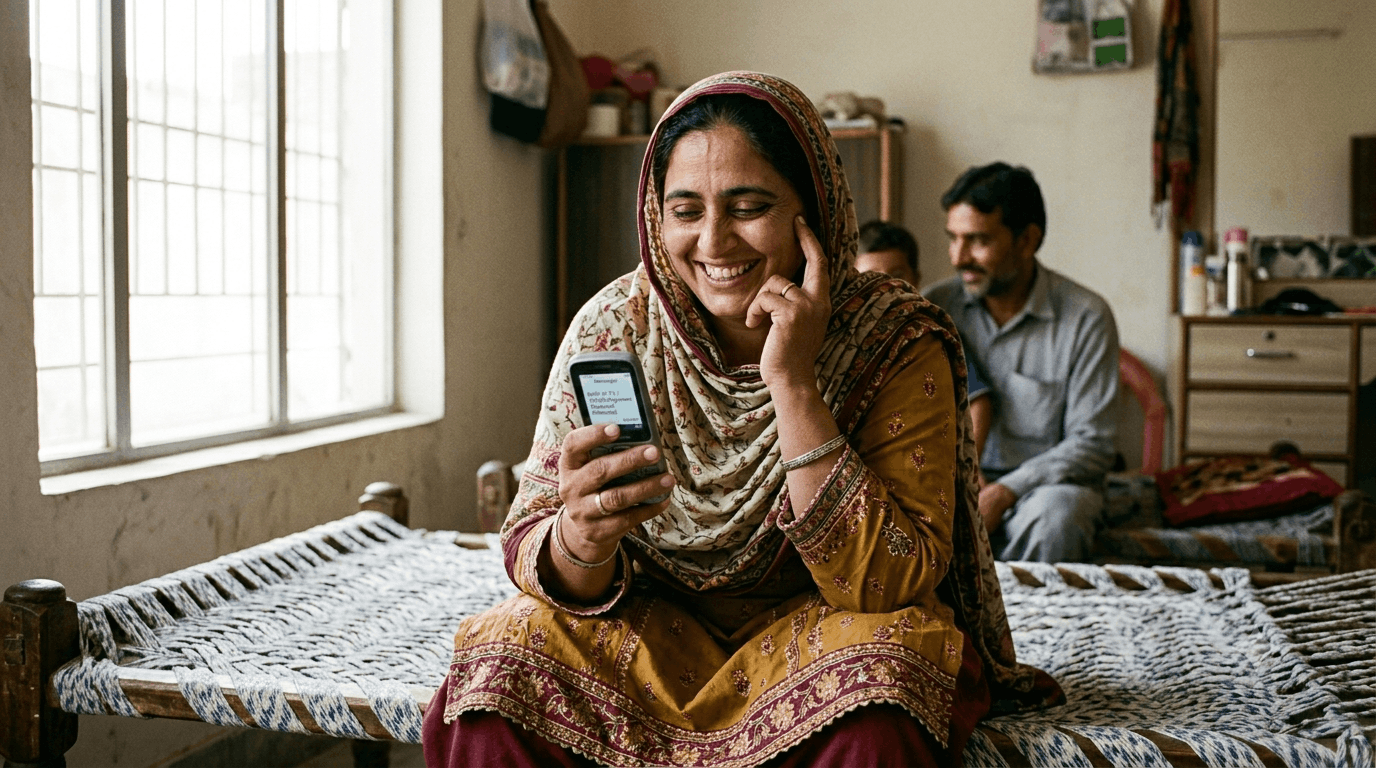
My neighbor’s relative eventually got registered. Seven trips, yes — but she got there. With the right information going in, most people can do it in far fewer.
Ready to register for the Benazir Income Support Programme? Visit the official 8171 portal below to learn about the registration process, check your eligibility, and access the latest BISP updates from official sources.
Register for BISP OfficialHave a specific question about your registration status or a step that isn’t working? Leave a comment with your situation and we’ll try to point you in the right direction.