
Most small kiryana stores in Pakistan run almost entirely in cash — no formal accounts, no audited statements, minimal tax filing history beyond basic registration. To a commercial bank, that makes an otherwise stable, profitable shop look uncreditworthy on paper, regardless of how long it’s actually been running.
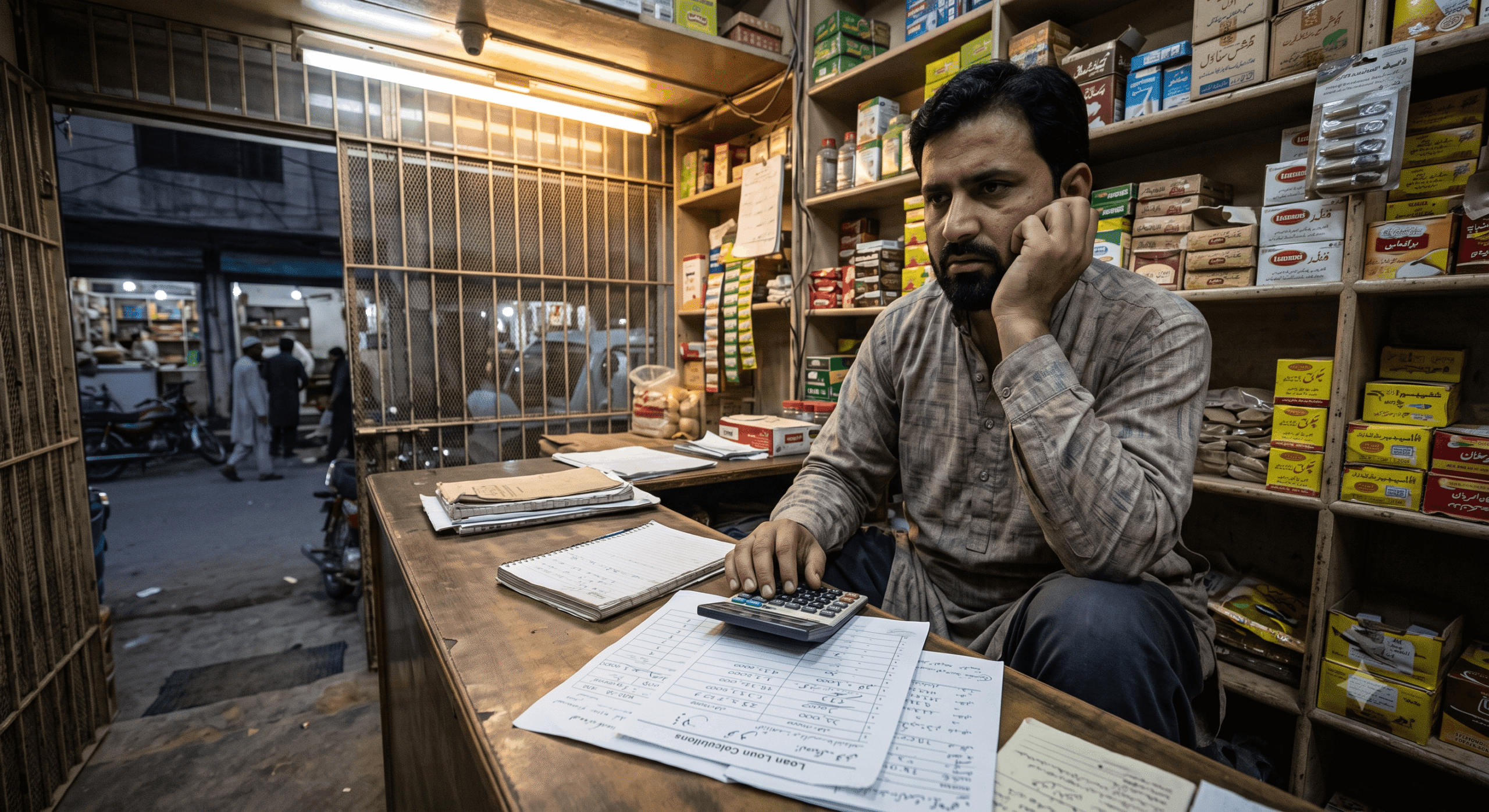
A general store owner in Sialkot, running a shop handed down from his father nine years earlier, hit exactly this wall when a supplier raised minimum order requirements and he needed Rs. 400,000-500,000 to maintain wholesale pricing. Three weeks with a commercial bank — document collection, a shop appraisal, an application process built around financial statements his business simply doesn’t produce — ended in rejection.
A microfinance institution came next, approving a smaller Rs. 150,000 at a rate working out to over 30% annually once actually calculated — a cost that eats most of the value of borrowing in the first place.
The Asaan Karobar Card, launched by the Punjab government specifically for small and micro business owners who fall into exactly this credit gap, raised an immediate question: is this a real program, or another announcement that goes nowhere.
This guide answers that question directly — based on the scheme’s actual terms, how applicants have experienced the process, and an honest look at where it delivers and where it falls short.
What the Asaan Karobar Card Actually Is
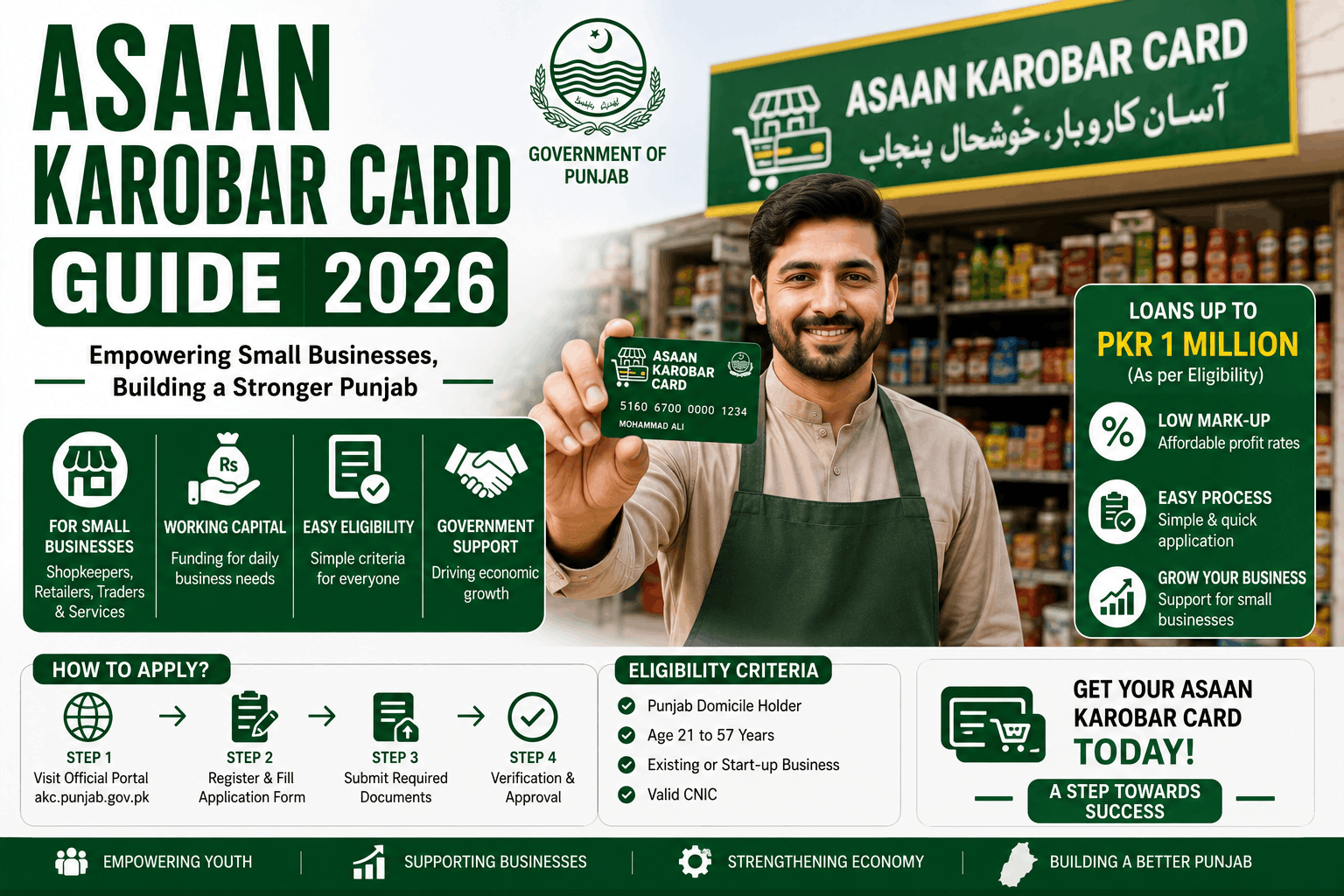
The Asaan Karobar Card is a revolving credit facility provided to small and micro business owners in Punjab through a government-subsidized program. Think of it like a business credit card — except backed by the government with subsidized markup rates and designed specifically for traders, shopkeepers, small manufacturers, and service providers who couldn’t access conventional bank credit.
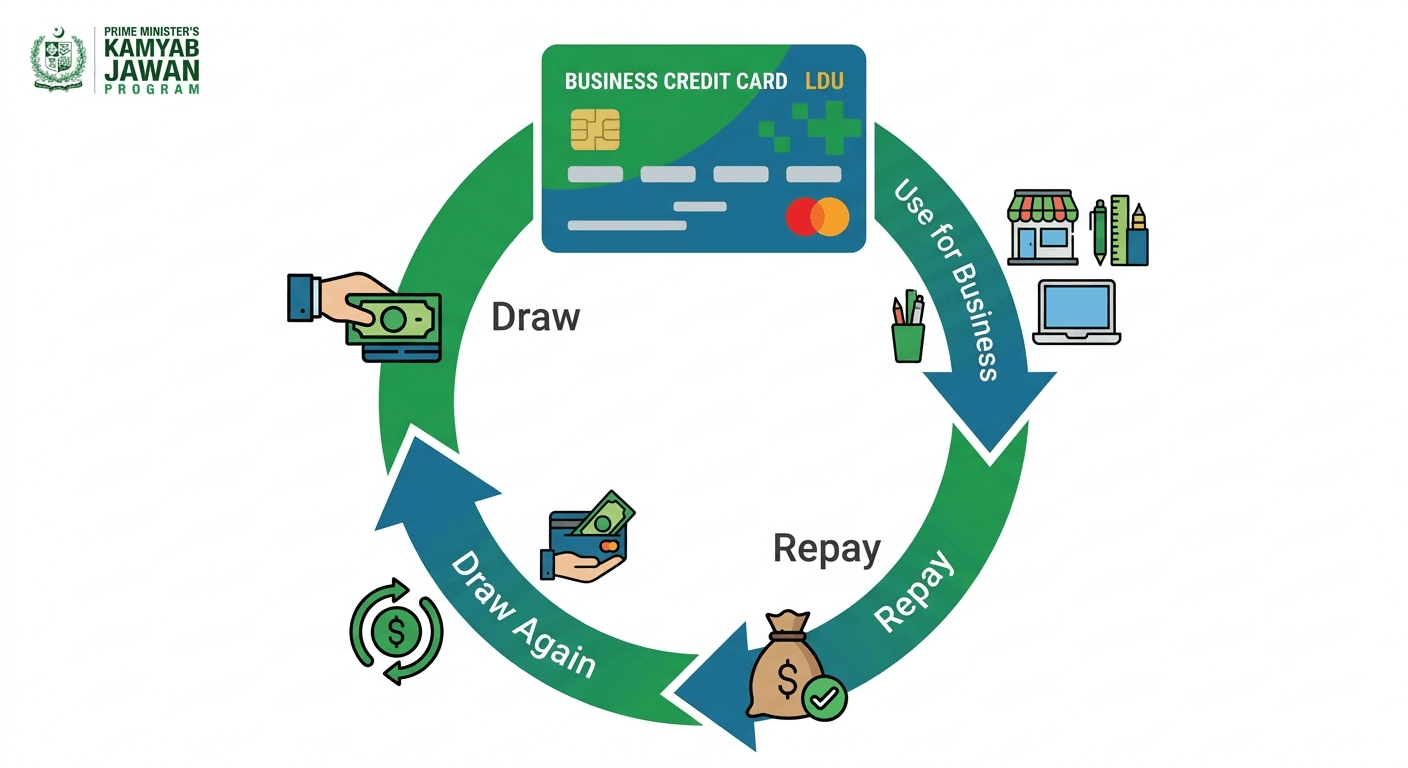
The “card” aspect is important: unlike a term loan where you receive a lump sum and pay it back in fixed installments, the Asaan Karobar Card gives you a credit limit that you can draw from, repay, and use again — a revolving facility. This is much more suited to how small businesses actually operate, where cash needs fluctuate with seasons, supplier opportunities, and market conditions.
Key features of the 2026 scheme:
- Credit limits ranging from Rs. 100,000 to Rs. 1,000,000 (Rs. 1 lakh to Rs. 10 lakh) depending on business size and eligibility
- Subsidized markup rate — significantly lower than commercial rates. Current scheme markup is around 6–8% per annum compared to 25–35% at microfinance institutions and 18–22% at commercial banks
- Disbursed through partner banks with the Punjab government covering the markup differential
- Revolving credit — repay and redraw within your limit
- No requirement for formal audited accounts — designed for informal sector businesses
- Available to both male and female business owners
- Usable for working capital (inventory, raw materials, supplies) and in some cases small asset purchases
Who Can Apply
Business type eligibility:
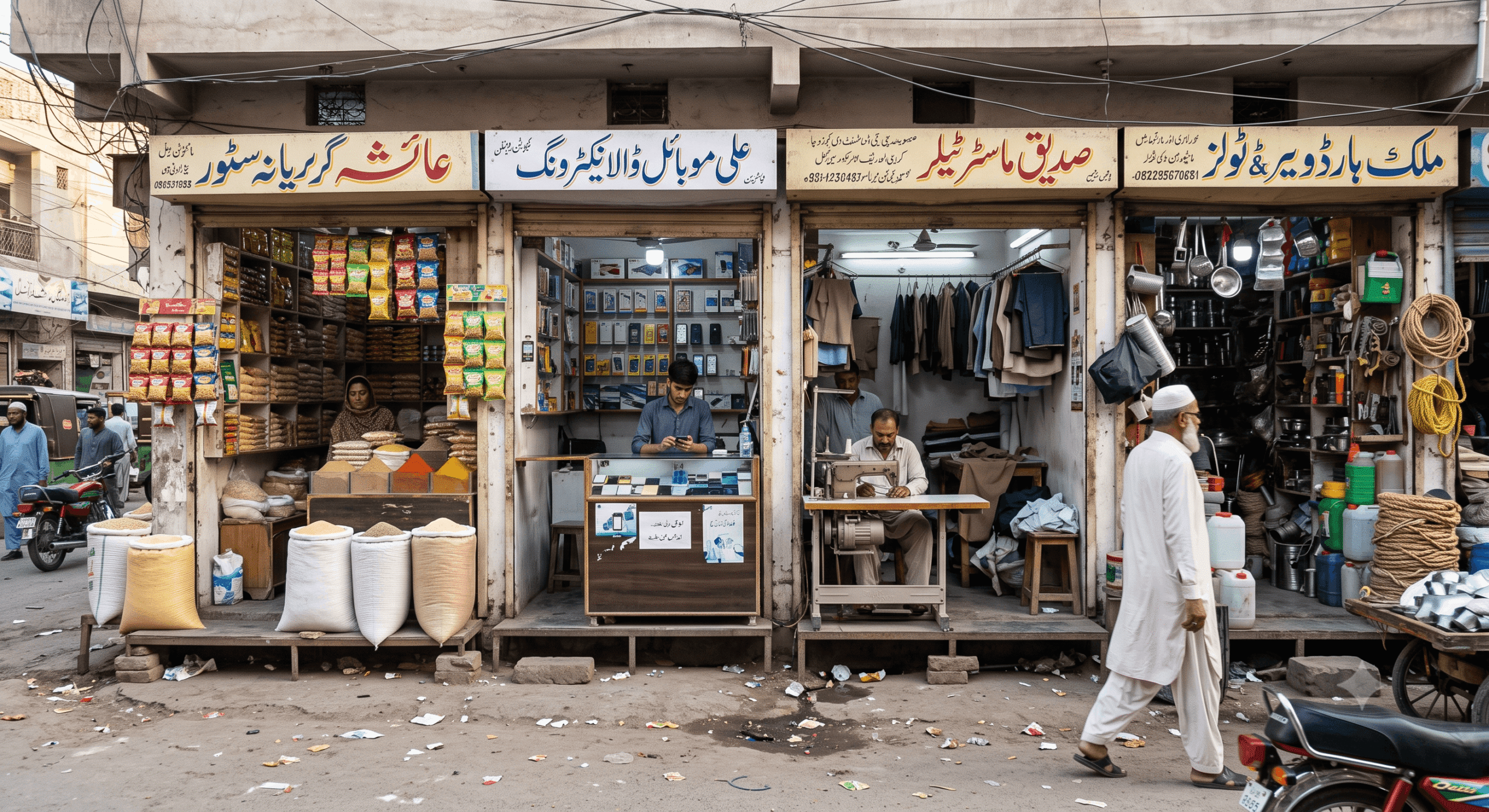
- Small traders and shopkeepers (kiryana, cloth, hardware, mobile, electronics, etc.)
- Small manufacturers and cottage industry operators
- Service providers (tailoring, repair shops, salons, small eateries)
- Vendors and hawkers with verifiable business activity
- Women entrepreneurs running home-based businesses in some categories
Personal eligibility:
- Pakistani national with valid CNIC
- Punjab domicile (for the Punjab-specific scheme)
- Age between 21 and 57 years (loan tenure ends by age 60–65)
- Must have been running the business for a minimum of 1 year (some phases require 2 years)
- No history of loan default (ECIB check applies)
- Business must be physically verifiable — the bank or scheme verifier will visit your business premises
Who likely won’t qualify:
- Businesses registered as private limited companies or having formal corporate status (this scheme targets micro and small, not established SMEs with existing bank relationships)
- Applicants with existing loan defaults
- Businesses operating entirely without any verifiable presence (no shop, no workshop, no registered location)
- Applicants already holding an active Asaan Karobar Card
How the Application Process Works
Step 1: Confirm Your Eligibility and Gather Documents
Before going anywhere, do an honest self-assessment:
- Has your business been running for at least a year with a physical location?
- Is your CNIC clean (Punjab domicile, not expired)?
- Do you have a clear ECIB record? If you’re unsure, check through the State Bank of Pakistan’s consumer portal or ask at a bank branch.
- Can you show some evidence of business activity — even informal?
Then gather:
- Original CNIC (applicant’s)
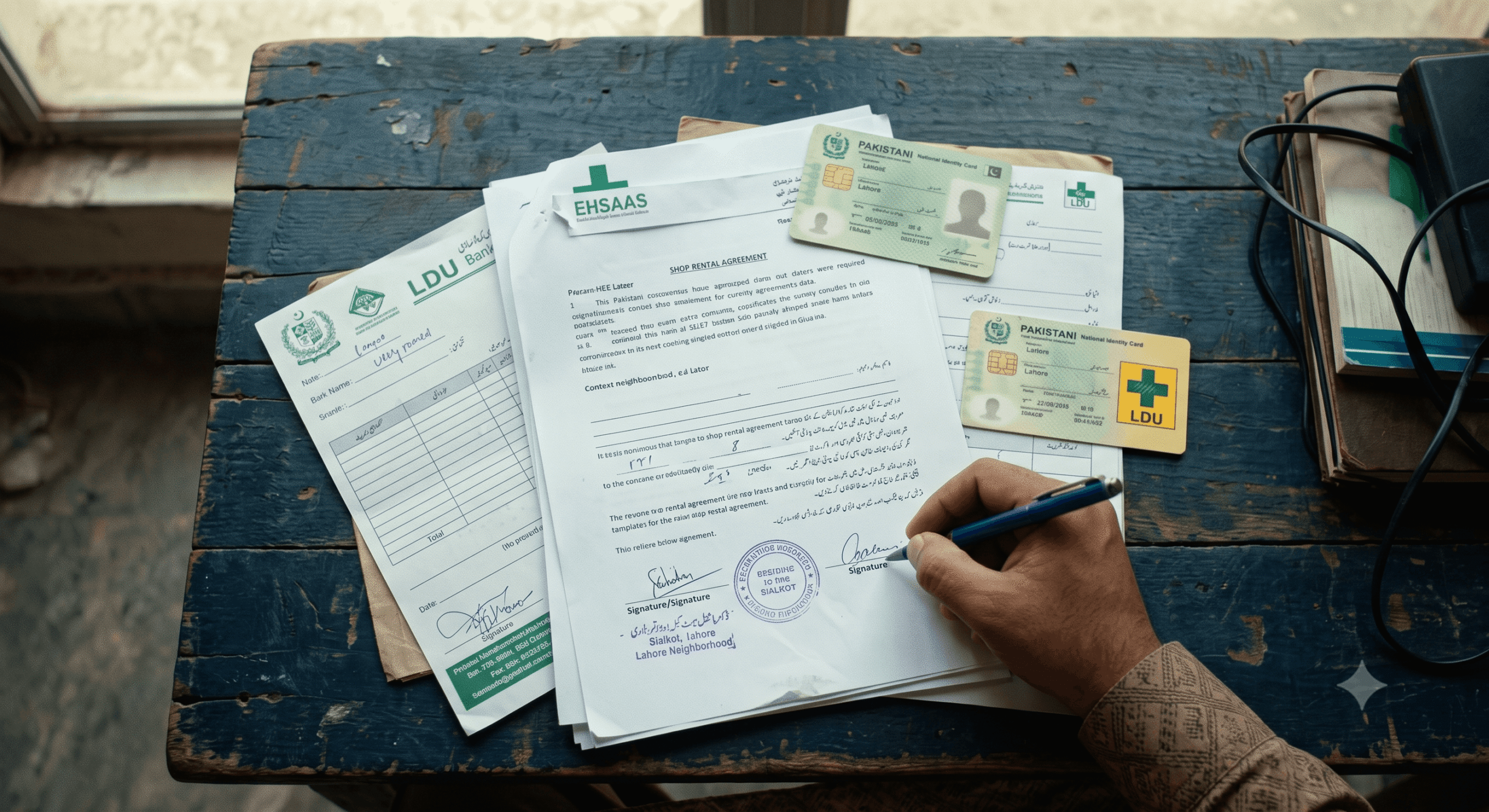
- Business location proof — utility bill in your name or your shop’s address, rental agreement for the shop, or ownership documents
- Business activity evidence — supplier invoices, purchase receipts, stock photographs, anything showing the business operates. Even mobile payment transaction history (JazzCash, Easypaisa) if you use digital payments in your business
- Bank account — active account in your name, or willingness to open one at the partner bank
- Photographs of the business premises (exterior and interior showing stock/activity)
- References — some banks ask for 2–3 character or business references
If you have any of the following, bring them too (they strengthen your application, they’re not mandatory):
- NTN (National Tax Number) registration
- Trade license or chamber of commerce membership
- Sales tax registration
Step 2: Visit the Partner Bank Branch
The Asaan Karobar Card is disbursed through specific partner banks — Bank of Punjab (BOP), National Bank of Pakistan (NBP), and First Women Bank have been involved in various phases. The Punjab government portal (punjab.gov.pk) and SMEDA (Small and Medium Enterprises Development Authority) website list current partner banks.
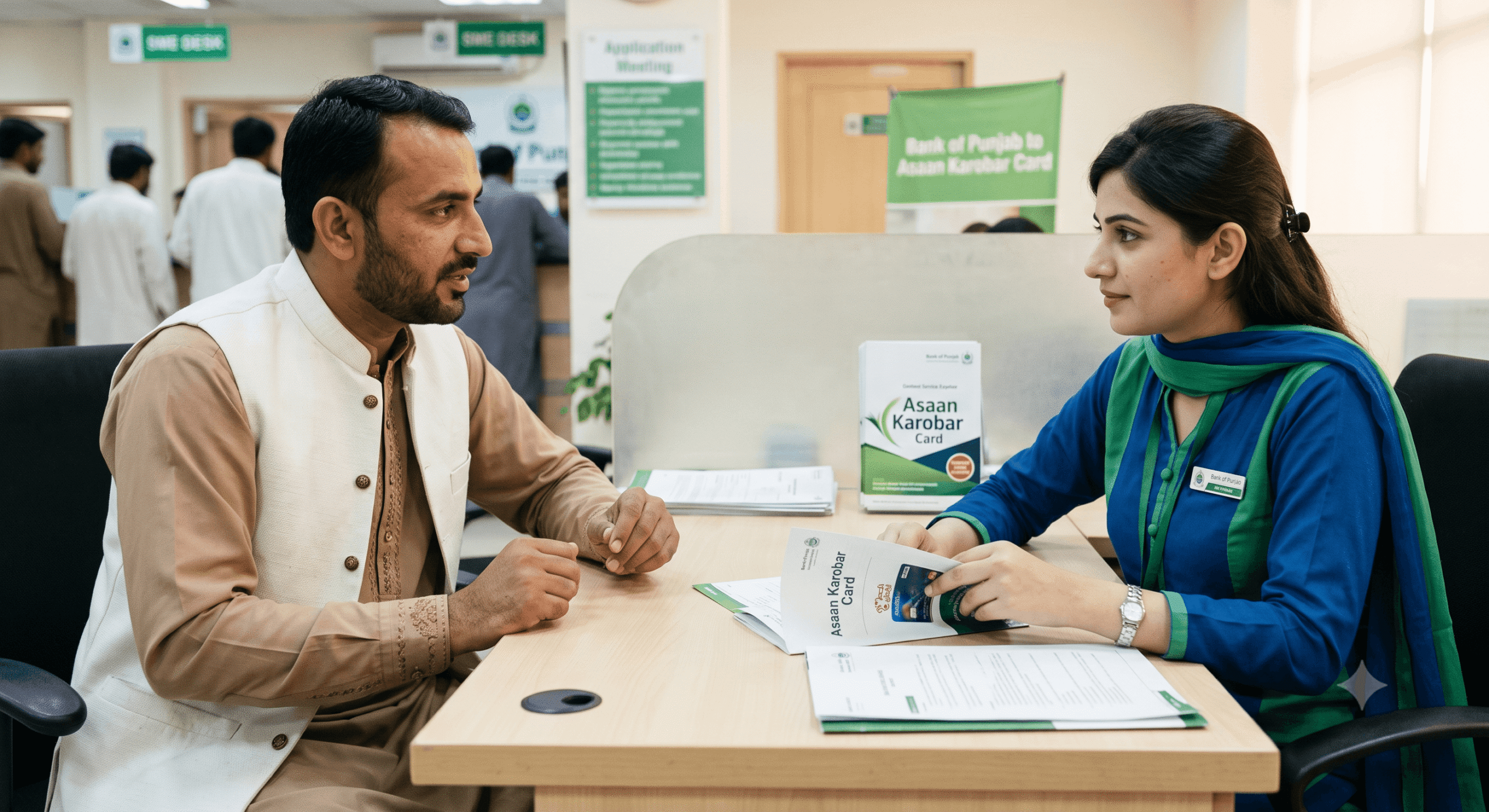
Go to the branch and ask specifically for the Asaan Karobar Card application or the Punjab government small business credit scheme. Ask to speak with someone from the SME or consumer finance desk — not every counter officer will be equally familiar with the product.
At the branch:
- Pick up the official application form
- Ask the officer to explain the markup rate, repayment terms, and what happens if you miss a payment
- Ask about the business verification visit — when it happens, what they look for, and whether you need to be present
- Ask how long the approval process typically takes
Step 3: Fill the Application Carefully
The form will ask about:
- Business type, name, and address
- Years in operation
- Monthly revenue (estimated — be realistic and conservative)
- Monthly expenses
- Number of employees (including family members working in the business)
- Credit limit requested
- Purpose of credit (working capital, inventory, equipment)
On the revenue and expense question — don’t inflate numbers. The bank will verify through a site visit and any documentation you provide. If your claimed monthly revenue is Rs. 500,000 but your shop is clearly a small kiryana with Rs. 200,000 in visible stock, the disconnect will flag your application.
Equally, don’t drastically understate revenue to seem “more needy.” The scheme is designed for viable businesses. A business with genuinely no revenue doesn’t get a revolving credit facility — it gets rejected.
Submit the completed form with your documents and ask for an acknowledgment slip with your application reference number.
Step 4: Business Verification Visit
After submission, the bank assigns a field officer to visit your business premises. This is how they verify that the business is real, active, and approximately the size you described.
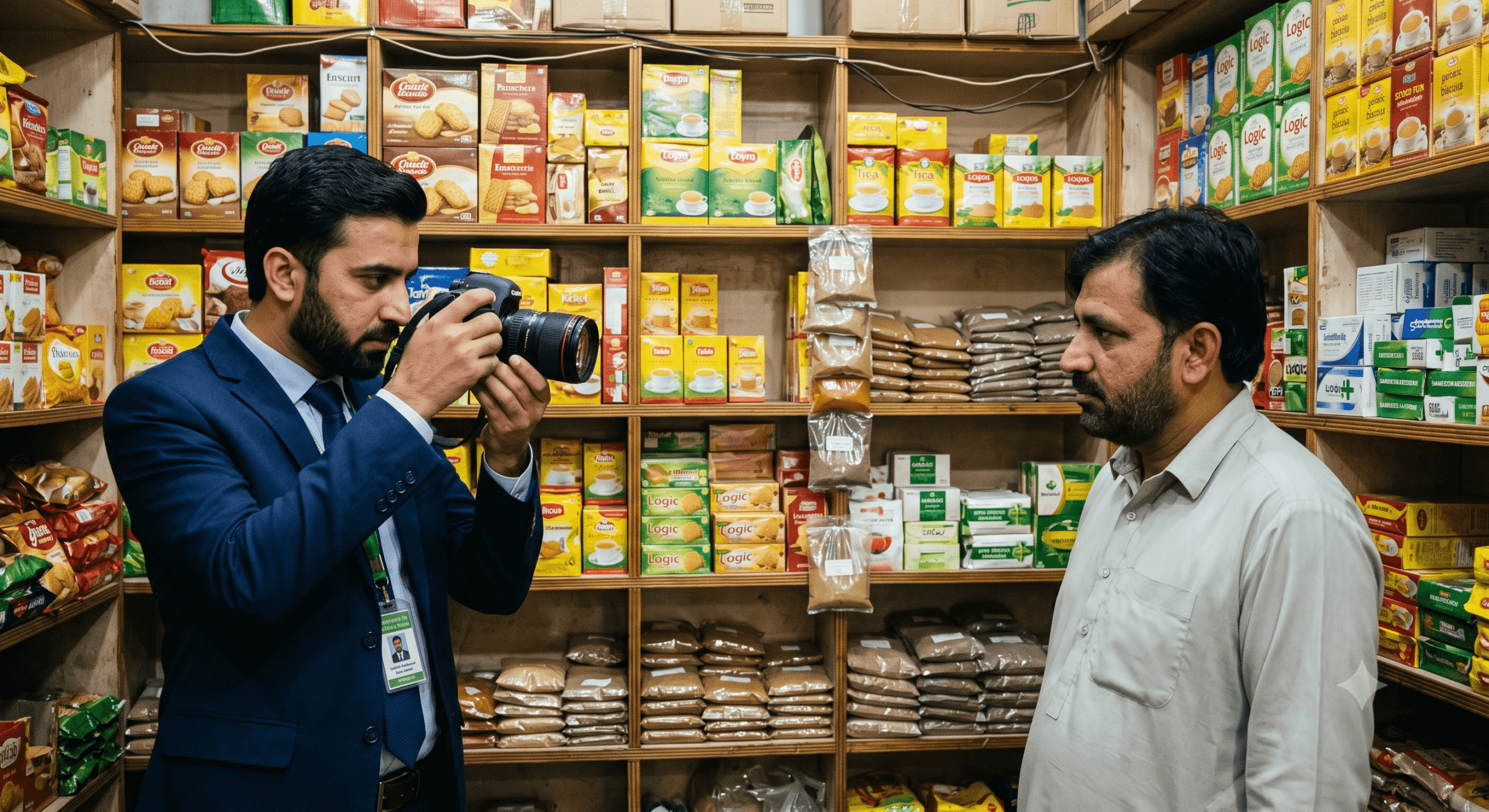
The field officer will:
- Confirm the business location exists and is active
- Photograph the premises
- Speak with you briefly about the business — how long have you been here, who are your suppliers, what do you mainly sell or produce
- Assess the rough scale of the business visually
Be there when they come. If you’re not present, the visit gets rescheduled — adding weeks to your timeline.
Be straightforward with the field officer. They’re not there to catch you out. They’re verifying basic facts. Showing a clean, active business with visible stock or activity is the goal.
Step 5: Credit Assessment and Approval
After the field visit, the bank’s credit team reviews your application — income assessment, ECIB check, business viability, and credit limit calculation based on your stated revenue.
Approval timelines vary from 2 to 6 weeks depending on bank workload and the completeness of your application.
If approved, you receive a sanction letter stating your approved credit limit, markup rate, and terms. Review it carefully before signing. Ask about:
- How to draw funds from the card
- Repayment schedule (minimum monthly payment)
- What happens if you exceed the credit limit
- Penalty provisions for late payments
- Process for increasing the limit after demonstrating good repayment history
Step 6: Card Issuance and First Draw
The card is typically issued within a week of signing the sanction letter. Some banks issue a physical card; others operate through a bank account with a linked credit facility.
Your first draw from the credit limit should go toward exactly what you stated in the application — inventory purchase, supplier payment, raw material procurement. Some banks require you to submit invoices for initial draws to verify use of funds.
After the initial draw, the revolving nature kicks in — repay and use again as your business needs dictate.
Tariq’s Experience With the Scheme
Tariq applied through Bank of Punjab in January 2026. His application was for Rs. 500,000 — his plan was to use it entirely for bulk inventory purchase from his wholesale supplier.
The field verification visit: The BOP officer came to his shop on day 12 after application. Tariq was there with his purchase receipts from the last three months and a supplier invoice showing his buying pattern. The officer spent about 25 minutes at the shop.
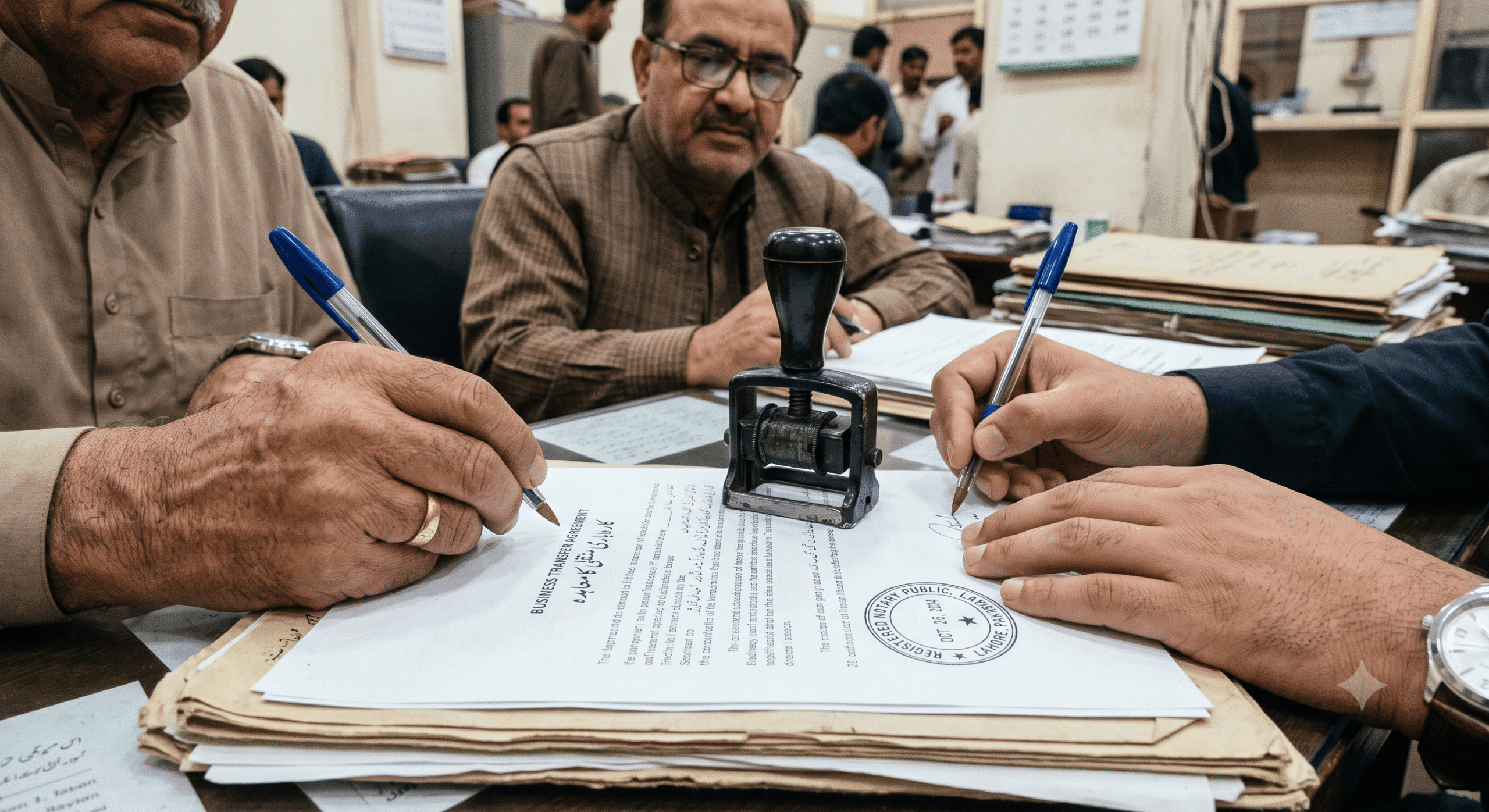
The snag: The shop’s utility bill was in his father’s name — because when Tariq took over the shop, he never updated the electricity connection to his own name. This caused a documentation mismatch. The bank asked for either an updated bill in Tariq’s name or a notarized inheritance/transfer letter from his father confirming the business transfer.
He got the letter done through a local notary for Rs. 500. Added about 10 days to the process.
Outcome: Rs. 400,000 approved (slightly less than requested — the bank used a conservative revenue assessment). Card issued in March. He made his first Rs. 350,000 draw immediately to buy inventory at the wholesale price that had previously been out of reach.
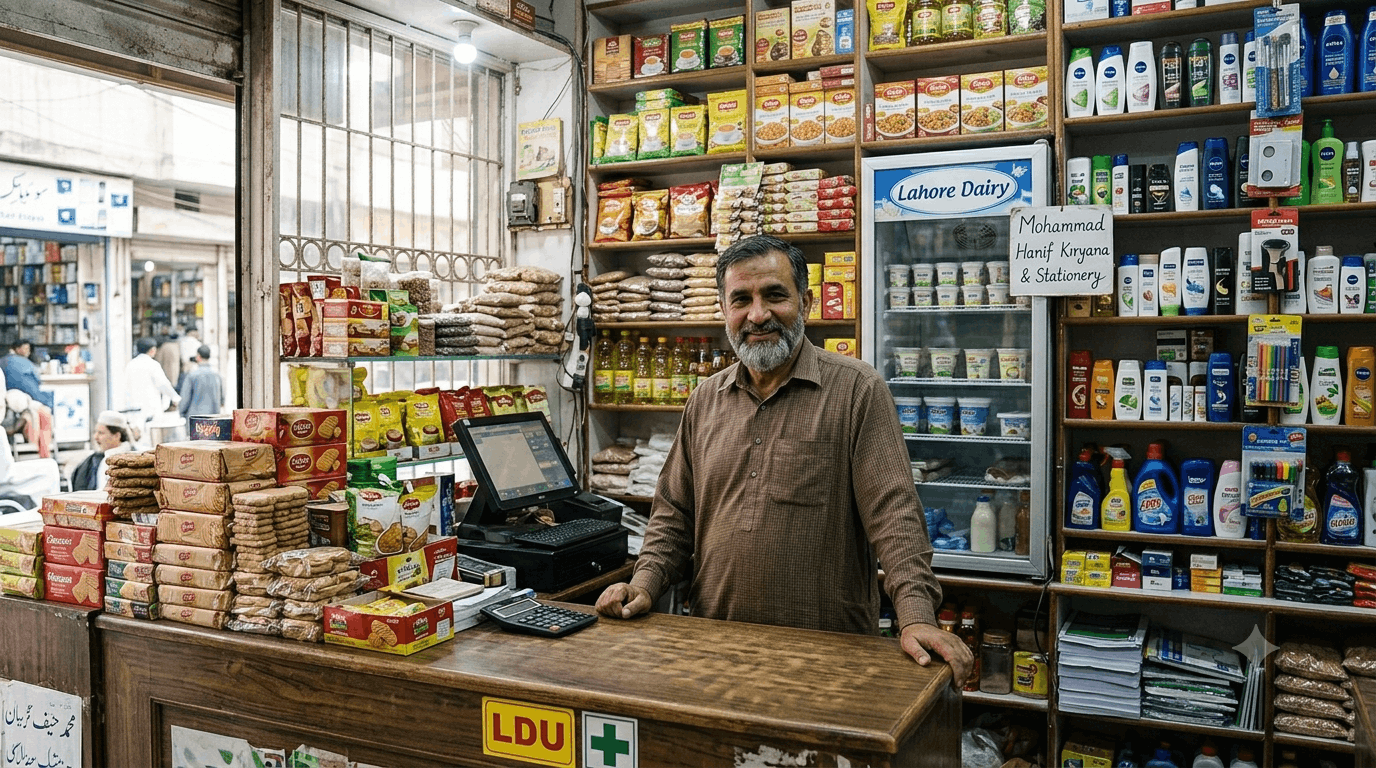
His first full month with the card: his shop’s gross revenue went up approximately 22% because he could now stock faster-moving items at better quantities. The markup cost on the Rs. 350,000 for one month was roughly Rs. 2,300.
“Rs. 2,300 for a whole month,” he said. “Compared to what the microfinance people wanted, I was paying that in a week.”
Mistakes That Block or Delay Applications
Utility bills not in your name. As with Tariq, if shop utilities are in a parent’s, landlord’s, or previous owner’s name, get this sorted before applying. A notarized letter of business transfer or an updated utility connection in your name are the two solutions.
Applying without any documentation of business activity. “I’ve been running this business for 5 years” without a single receipt, invoice, photograph, or any paper trail makes verification difficult. Collect whatever informal documentation you have — even mobile payment records help.
ECIB defaults you forgot. That mobile phone installment plan from three years ago that you stopped paying. A committee (committee in the Pakistani sense — rotating savings groups) that turned into an informal debt. These sometimes show on ECIB records. Check before the bank does.
Requesting too large a limit. Applying for Rs. 1,000,000 on a business with Rs. 150,000 monthly turnover will get you a significantly reduced approval or a rejection. Apply for an amount that’s proportionate to your demonstrable business size.
Going to the wrong bank. Not every bank participates in every phase. A branch that participated in 2024 might not be processing new applications in 2026. Verify current partner banks through the Punjab government portal before spending time on a bank visit.
Not being present during the field visit. Field visits happen on weekdays during business hours. If you’re not at your shop, the visit gets rescheduled — and the queue to reschedule can add 2–3 weeks. Arrange your schedule around this.
Using the card for personal expenses. The Asaan Karobar Card is specifically for business purposes. Using your credit limit for personal expenses, home renovations, or anything unrelated to the business is a misuse that can result in the facility being revoked.
A Realistic Expectation Setter
The Asaan Karobar Card genuinely fills a gap that has been painful for small businesses in Pakistan for decades. The combination of a revolving credit structure (not a rigid installment loan), subsidized markup, and informal business eligibility makes it more suitable for real small businesses than almost anything else available.
But it’s not instant. The process from application to card issuance realistically takes 4–8 weeks when everything goes smoothly. Documentation snags — like Tariq’s utility bill issue — can add time.
And the scheme runs in phases. There are periods when applications are open and periods when the current batch is being processed and new applications are paused. Timing your application to an open window matters.
If you’re a small business owner who’s been turned away by commercial banks, charged punishing rates by microfinance lenders, or simply never had access to working capital beyond personal savings — this scheme is worth pursuing properly.
Apply when the window is open, with complete documents, with honest numbers, and with a clear plan for what you’ll use the facility for.
That combination is what gets applications through.
Running into a specific issue with your application or not sure which documents are needed for your type of business? Drop a comment below and we’ll try to help.
Want to grow your business with an interest-free loan? The Asaan Karobar Card makes it easier for eligible entrepreneurs in Punjab to access government-backed financing. Visit the official portal below to check your eligibility and start your online application.
Apply for Asaan Karobar Card Official