
Checking BISP eligibility through 8171 sounds simple in theory — send an SMS, get a status. In practice, it trips up a lot of people, especially when the person trying to check isn’t the one who registered, or isn’t comfortable navigating menus and confirmation codes on a basic phone.
That gap shows up constantly in villages and small towns, where an elderly beneficiary hears secondhand that her payments have stopped and has no clear way to verify it herself — usually relying on whichever younger relative happens to be reachable by phone.
The process itself isn’t complicated once it’s laid out step by step. What causes the confusion is usually one of a handful of predictable snags: an unregistered SIM, a mistyped CNIC, a menu option that looks like eligibility but isn’t.
This guide walks through the entire 8171 eligibility check clearly enough that it works whether you’re checking your own status or walking someone else through it over the phone.
First, Let’s Clear Up What 8171 Actually Is
A lot of people confuse “8171” with the helpline, with the web portal, and with the SMS service — they’re actually all part of the same BISP (Benazir Income Support Programme) ecosystem. The number 8171 is primarily an SMS short code that lets you check eligibility and payment status right from your mobile phone.
No smartphone required. No internet needed. Just a basic SIM and the ability to send a text.
That’s what makes it so useful for people in rural areas — which is exactly the demographic BISP is designed to serve.
How the BISP 8171 Eligibility Check Works in 2026
The core process hasn’t changed drastically from previous years, but there have been some updates in 2026 around how surveys are handled and how disqualifications are communicated. Here’s what actually works right now:
Method 1: SMS Check (Most Reliable for Rural Areas)
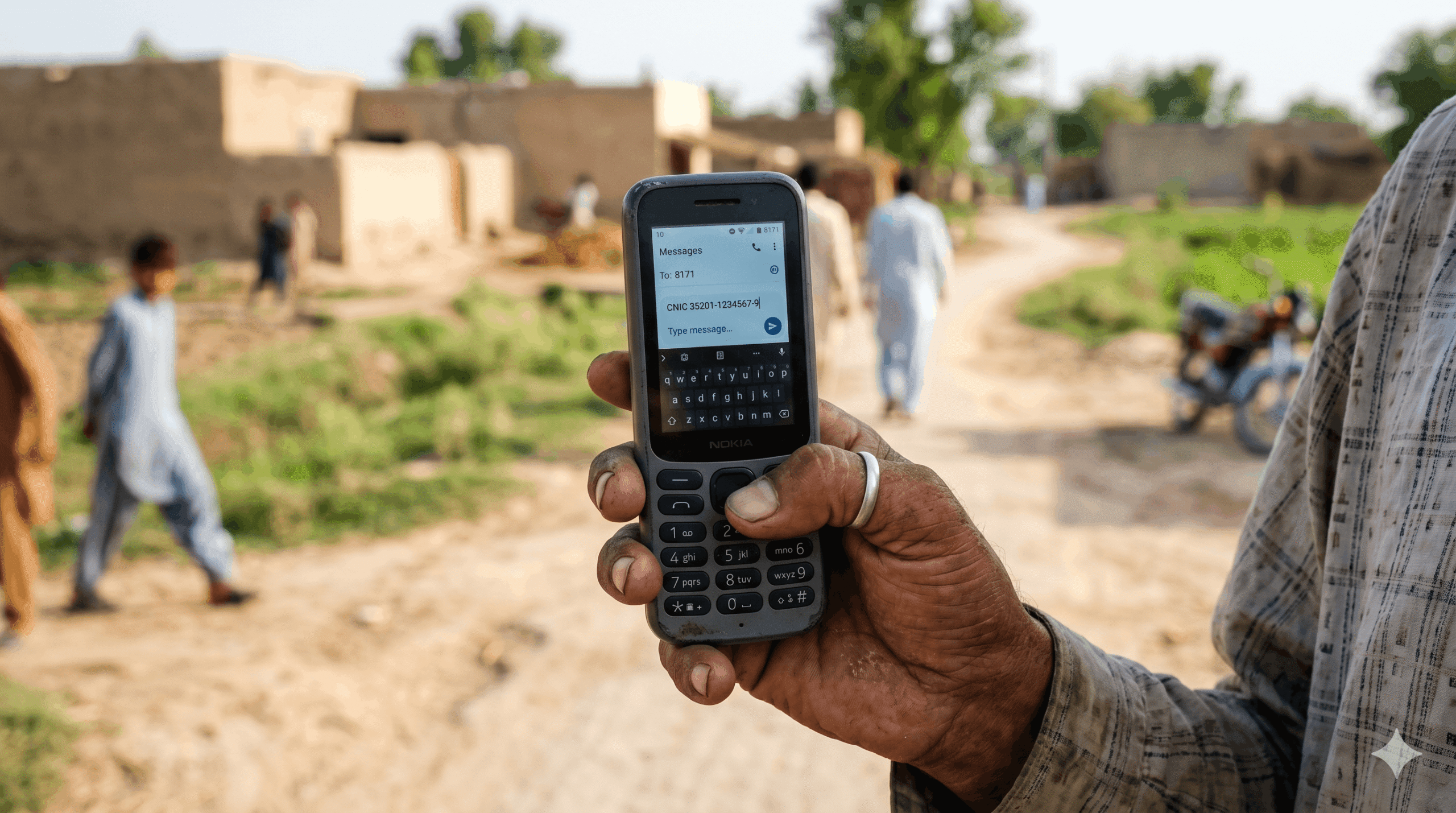
This is what I helped my aunt do first.
Step 1: Open the messaging app on any mobile phone (doesn’t need to be a smartphone).
Step 2: Type your 13-digit CNIC number (no dashes, no spaces — just the numbers). Example: 3520212345678
Step 3: Send it to 8171.
Step 4: Wait. Usually takes 30 seconds to 2 minutes. You’ll get a reply from the system telling you whether you’re eligible, your payment status, or if there’s an issue with your registration.
When we did this for my aunt, the reply came back saying her survey was “incomplete.” That was the issue — not that she’d been removed, but that her data update hadn’t gone through properly after the 2023 NSER resurvey.
Important: The SMS is free from most major networks including Jazz, Telenor, Ufone, and Zong. But double-check with your carrier — occasionally there are charges for short codes depending on your package.
Method 2: BISP Web Portal — bisp.gov.pk
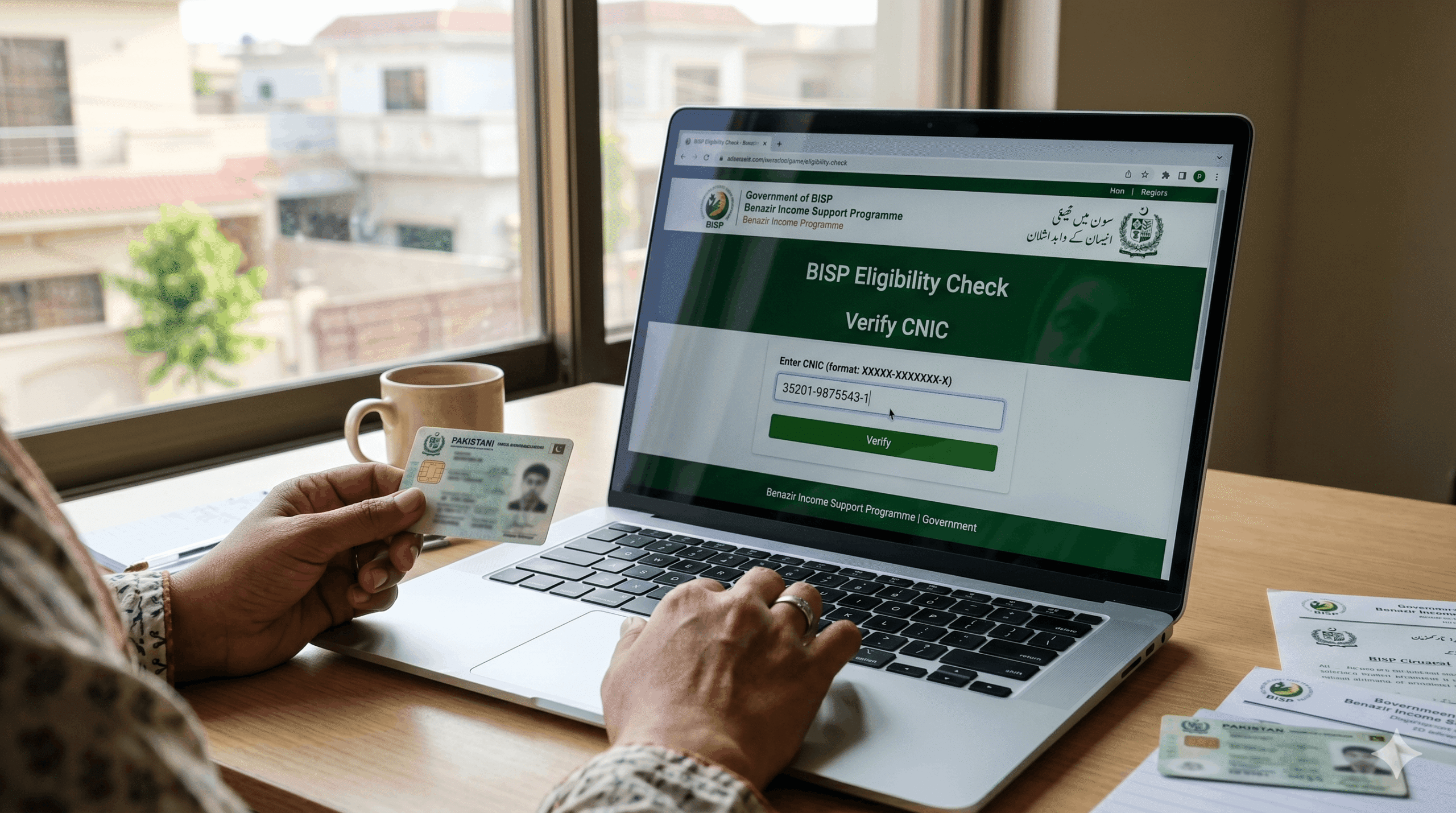
If you have internet access, the web portal gives you slightly more detailed information.
Step 1: Go to https://bisp.gov.pk (make sure it’s the official .gov.pk domain — there are fake sites that look identical and try to collect your CNIC data).
Step 2: Look for the “Beneficiary Status” or “Eligibility Check” section. In 2026, it’s been moved to a more visible spot on the homepage after complaints that people couldn’t find it.
Step 3: Enter your 13-digit CNIC number and submit.
Step 4: The system will show your current status, your payment history, and any flags on your account.
When I used this for my aunt, it actually showed more detail than the SMS — it told us her last payment date, the amount, and confirmed which BISP center she was registered under.
Method 3: Visiting the BISP Tehsil Office
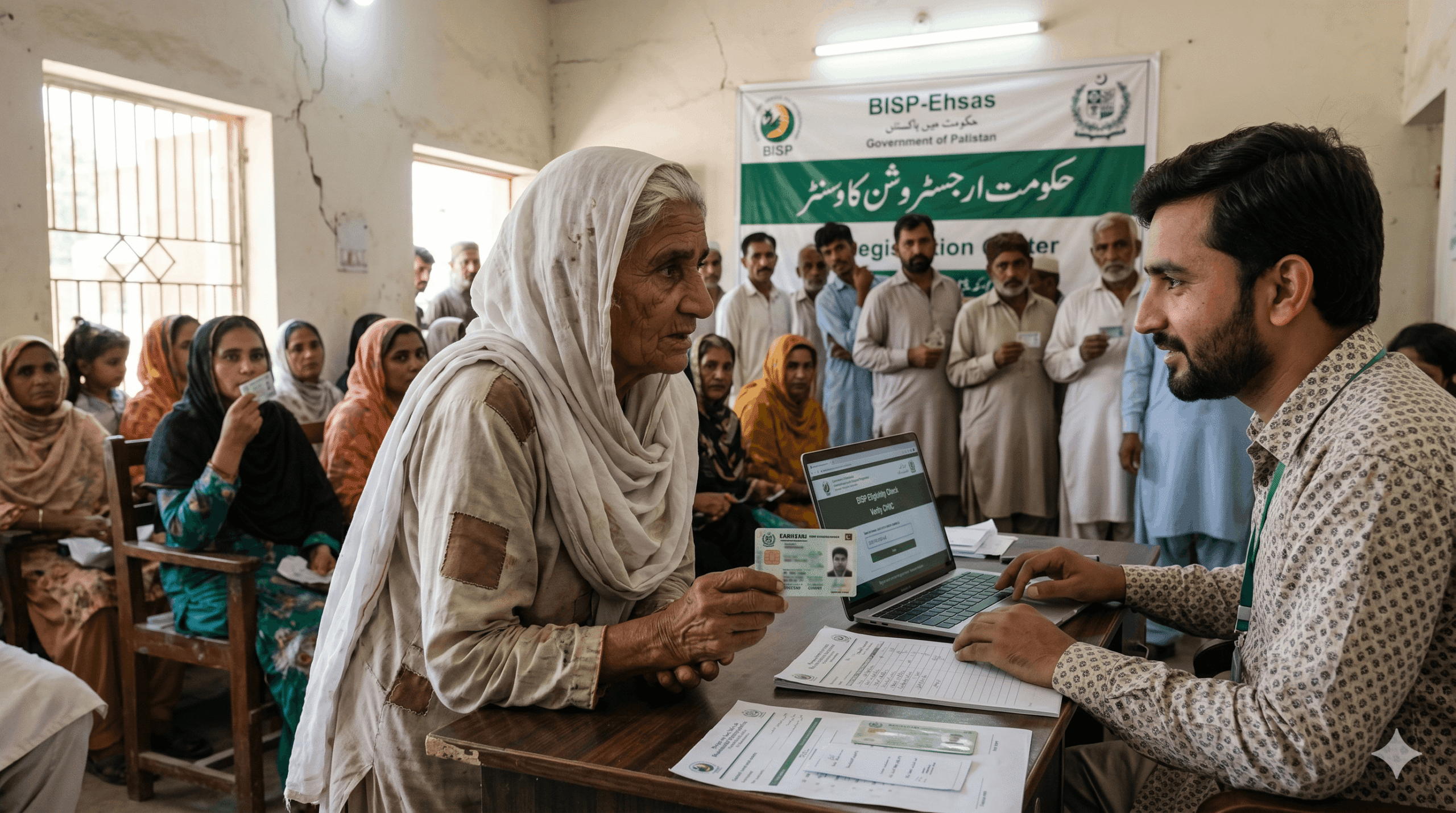
This is the one most people avoid because it takes time. But honestly? Sometimes it’s the fastest path to resolution.
If the SMS says your eligibility is suspended, cancelled, or shows an error — the portal can’t fix that. You have to go in person.
For my aunt’s case, we eventually visited the Tehsil office. The officer there looked up her CNIC, found that her household survey data had a mismatch in the poverty score (PMT score), and started the correction process on the spot.
The whole visit took about two hours. Frustrating, but necessary.
What the Different Status Messages Mean
This tripped me up badly when I first started. The SMS replies aren’t always in plain language. Here’s a rough breakdown:
“Aap Mustahiq Hain” (You Are Eligible): Your eligibility is confirmed. Payments should be coming or are already scheduled.
“Aap Mustahiq Nahin Hain” (You Are Not Eligible): Your household’s PMT (Proxy Means Test) score is above the cutoff. This is based on the NSER survey data.
“Survey Mukammal Nahin Hua” (Survey Incomplete): Your household was either not surveyed or the data wasn’t fully entered. This needs to be fixed at the Tehsil level.
“Payment Pending”: You’re eligible but the payment hasn’t been released yet. This can happen at the start of a new tranche.
“CNIC Verify Nahin Hua”: Your CNIC details don’t match NADRA records. This is a bigger issue — you may need to visit a NADRA office first.
The PMT Score Problem — Why People Get Disqualified Without Warning
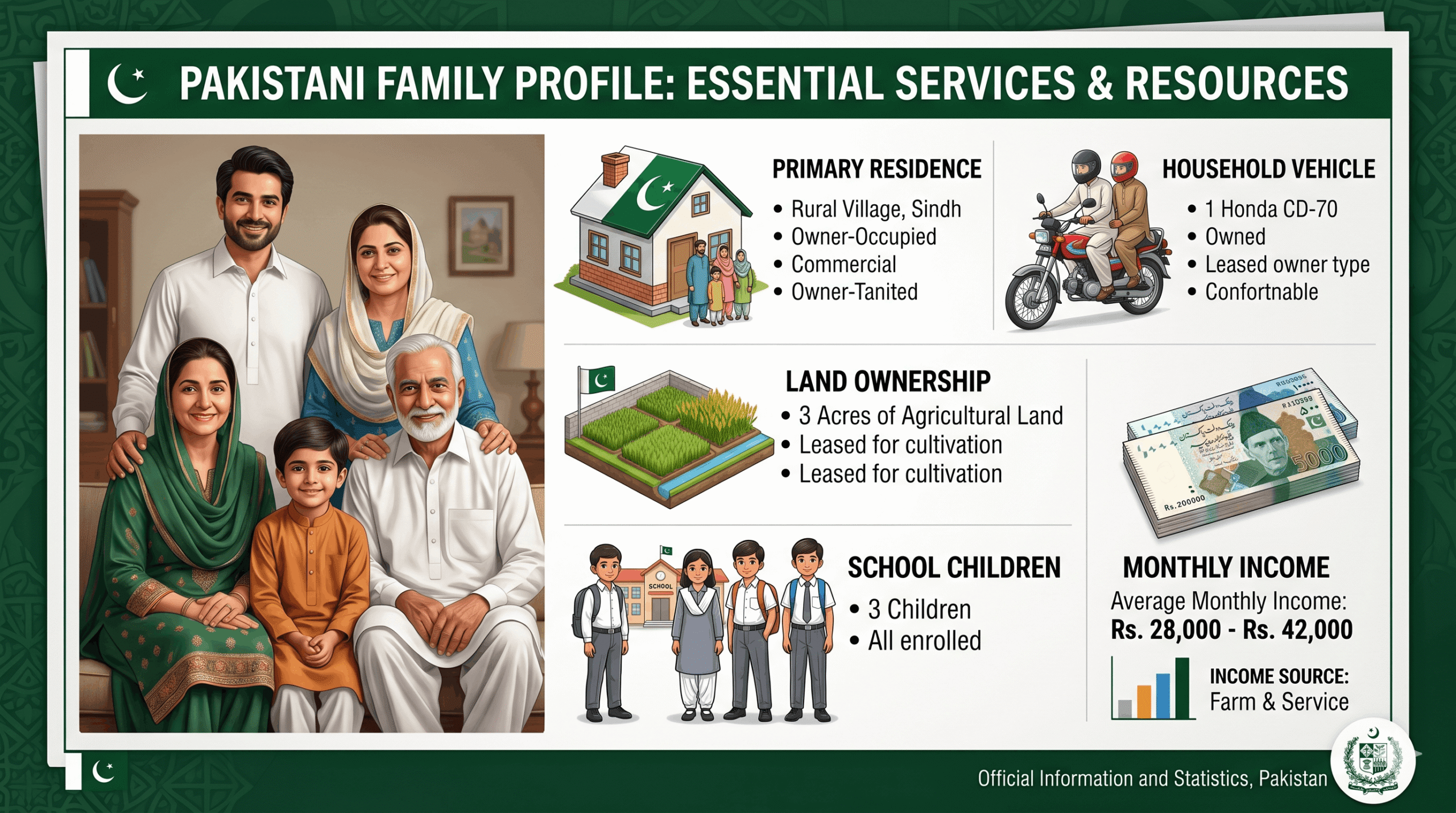
This is something I didn’t fully understand until a BISP officer explained it to me.
The eligibility isn’t just based on income. BISP uses something called a PMT score — Proxy Means Test — which is calculated from data collected during the NSER (National Socio-Economic Registry) household survey. Things like:
- Type of house (pucca vs katcha)
- Number of rooms
- Vehicle ownership
- Land ownership
- Number of earning members
- Children in school
Here’s where families get blindsided: if someone in the household bought even a small piece of land or a secondhand motorcycle, and that was recorded during a resurvey, it can push the PMT score above the threshold — and eligibility gets cut.
My aunt’s neighbor lost her BISP payment because her son had registered a motorcycle in his own name at the same address. She had no idea that would affect her status.
2026 Updates You Should Know About
Based on what I’ve seen and heard from people who’ve dealt with the system recently:
Dynamic NSER: In 2026, BISP has been pushing harder on resurveys in certain districts. If a survey team came to your area and you weren’t home, or if the data they collected was wrong, you should proactively visit your Tehsil office to get it corrected. Don’t wait for the payments to stop.
Kafaalat Program Integration: BISP’s main cash transfer is now more tightly linked to the Kafaalat program for women. The payment is specifically disbursed to women (ideally the female head of household or registered female member). If the registered woman’s CNIC is expired, payments can get stuck.
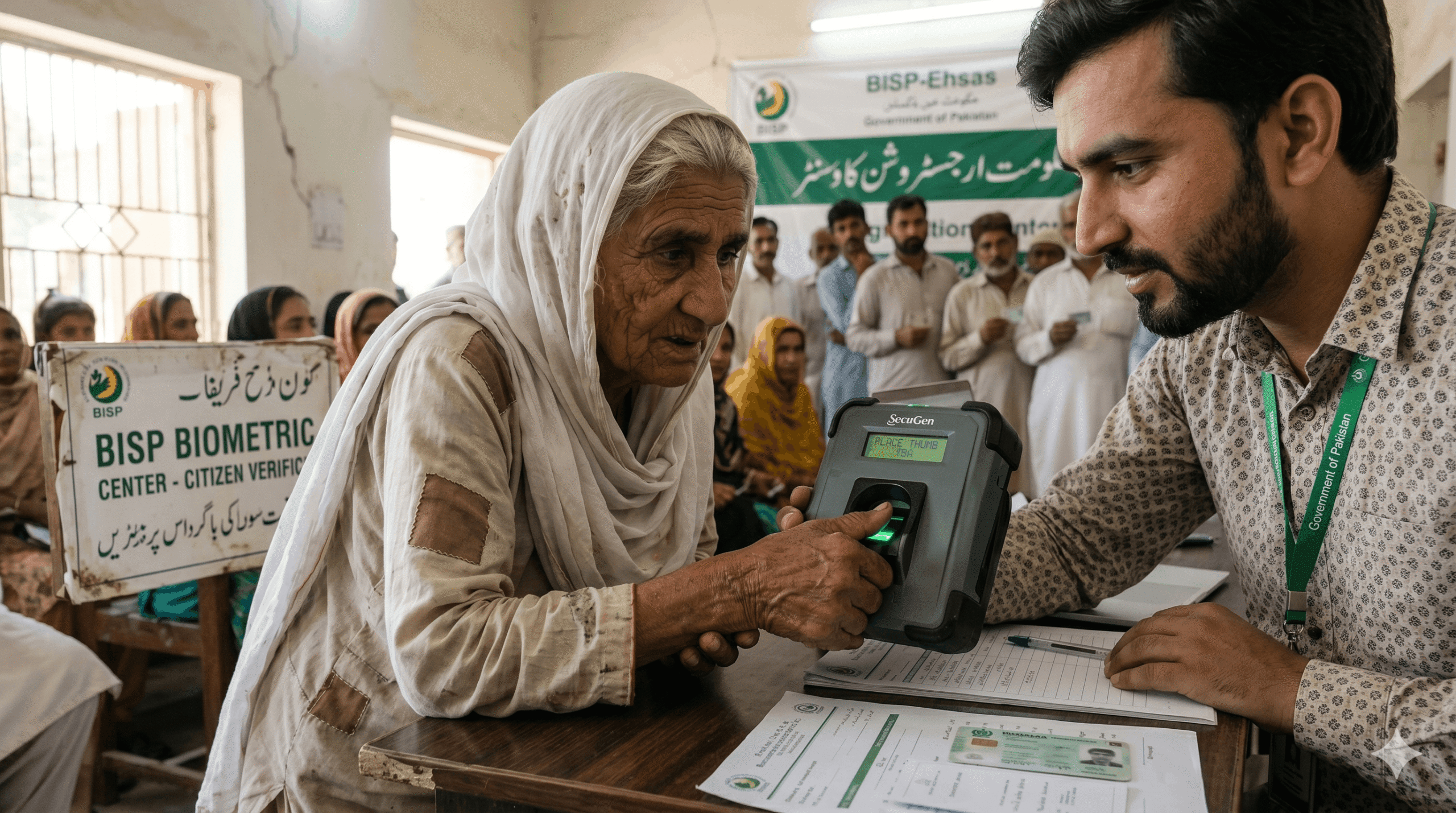
Biometric Verification Requirement: At the payment point (usually HBL Konnect, JazzCash agents, or BISP payment centers), biometric verification is required. If your biometrics don’t match — old fingerprint scans, or a CNIC that hasn’t been renewed — you won’t be able to collect even if you’re eligible.
Mistakes I Made (So You Don’t Have To)
Mistake #1: Checking the wrong portal. There are multiple unofficial websites claiming to be BISP eligibility checkers. I wasted 20 minutes on one before realizing it wasn’t official. Always use bisp.gov.pk or the 8171 SMS.
Mistake #2: Assuming the SMS reply is final. When the SMS said “not eligible,” I almost accepted it. Turns out the data was wrong. Always follow up with the Tehsil office if something seems off.
Mistake #3: Going to the office without documents. The first time we went, my aunt didn’t bring her original CNIC. They couldn’t do much without it. Always bring: original CNIC, B-form if you have children, and if possible, the previous payment slip or registered phone number.
Mistake #4: Using someone else’s phone number. The 8171 SMS should ideally be sent from the registered phone number linked to the CNIC. We tried from my number first and got a more generic response. When my aunt sent it from her own number, the response was more specific.
Real Talk: The System Isn’t Perfect, But It Works If You Push
Look, BISP isn’t some seamless digital system. Data entry errors happen. Survey teams make mistakes. NADRA records don’t always match. People fall through the cracks.
But the 8171 system is genuinely useful as a first step. It tells you something is wrong even if it doesn’t tell you exactly what. And that gives you a starting point.
What helped my aunt most wasn’t technology — it was showing up in person, being persistent, and asking the right questions.
Her payments resumed about six weeks after our visit. Six weeks of waiting, but it did get resolved.
Quick Reference: What to Do Based on Your Status
| Status | Next Step |
|---|---|
| Eligible, payment received | Nothing — you’re good |
| Eligible, payment pending | Wait 2–3 weeks, then check again |
| Not eligible | Visit Tehsil office to check PMT score |
| Survey incomplete | Visit Tehsil office to complete NSER data |
| CNIC issue | Go to NADRA first, then BISP |
| Biometric issue | Go to any BISP/HBL Konnect center for verification |
One Last Thing
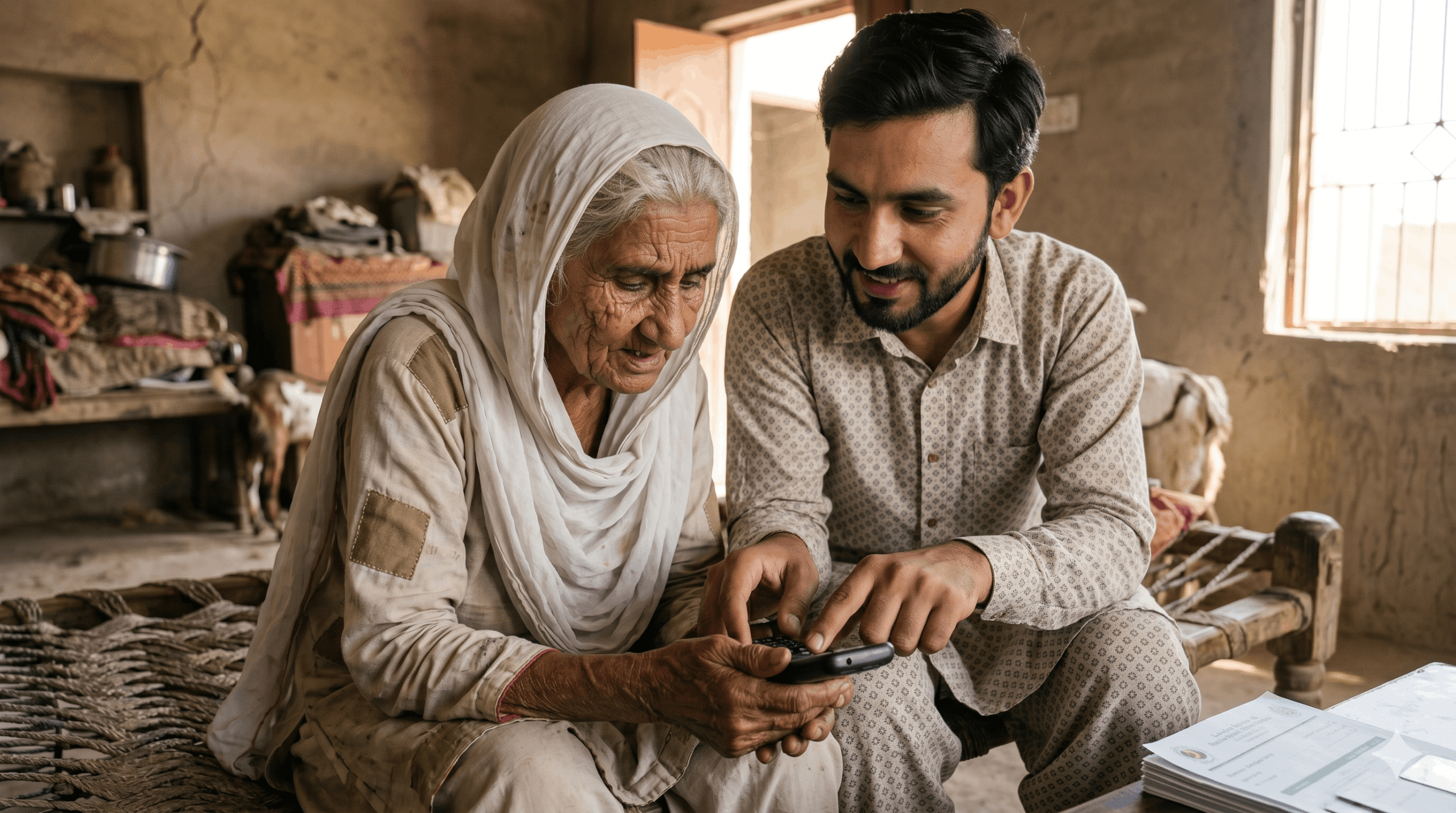
If you’re helping an elderly family member with this — someone who isn’t comfortable with SMS or portals — just do it yourself. Sit with them, send the SMS from their registered number, and take notes on what the reply says. Then help them figure out the next step.
These payments genuinely matter to the people who receive them. For my aunt, it’s a significant portion of her monthly income. Getting her back on the list wasn’t just a tech problem to solve — it was actually important.
So if you’re going through this, don’t give up after the first confusing SMS reply. The system can be navigated. It just takes a bit of patience and knowing where to push.
If you have questions about a specific status message you received from 8171, feel free to leave a comment below — I’ll try to help based on what I’ve seen.
Unsure whether you qualify for BISP assistance? Visit the official 8171 portal below to verify your eligibility, check your CNIC status, and access the latest information directly from the Benazir Income Support Programme.
Check BISP 8171 Eligibility Official