
A cancer diagnosis rarely arrives with a price tag attached — the first conversation after the hospital visit is almost never about treatment options. It’s about money.
In one such case, the oncologist had outlined three things: surgery, chemotherapy, a specific medication. The costs: somewhere between Rs. 400,000 and Rs. 700,000, depending on how treatment progressed. The household income was Rs. 28,000 a month — a government Grade 4 salary, the lowest pay scale, stretched across six people.
Rs. 400,000 wasn’t available. Neither was Rs. 100,000. What existed was that month’s salary and savings that might stretch to Rs. 35,000.
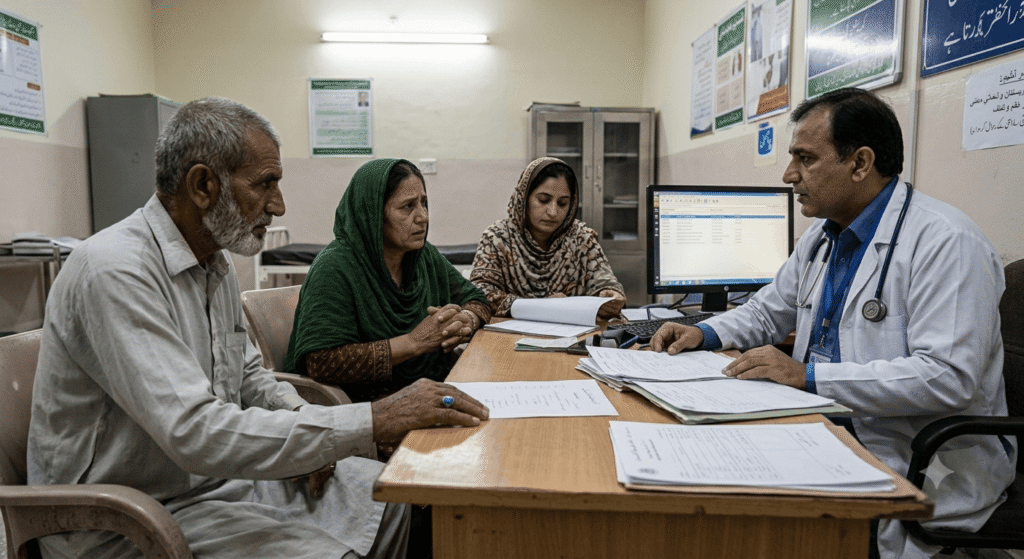
A hospital social worker mentioned an office the family had never heard of: Pakistan Bait-ul-Mal. The instruction was simple — go to the District Bait-ul-Mal office, explain the situation exactly as it is, nothing more.
The process wasn’t fast, and it wasn’t smooth. It ended with Rs. 50,000 in assistance that covered the first surgery, plus additional support that carried the family through the following six months.
Rs. 50,000 didn’t solve everything. It meant the surgery happened at all — the alternative being seriously considered was skipping it entirely.
That’s what Pakistan Bait-ul-Mal is built for. It doesn’t solve poverty. It catches people falling through the floor.
What Pakistan Bait ul Mal Is
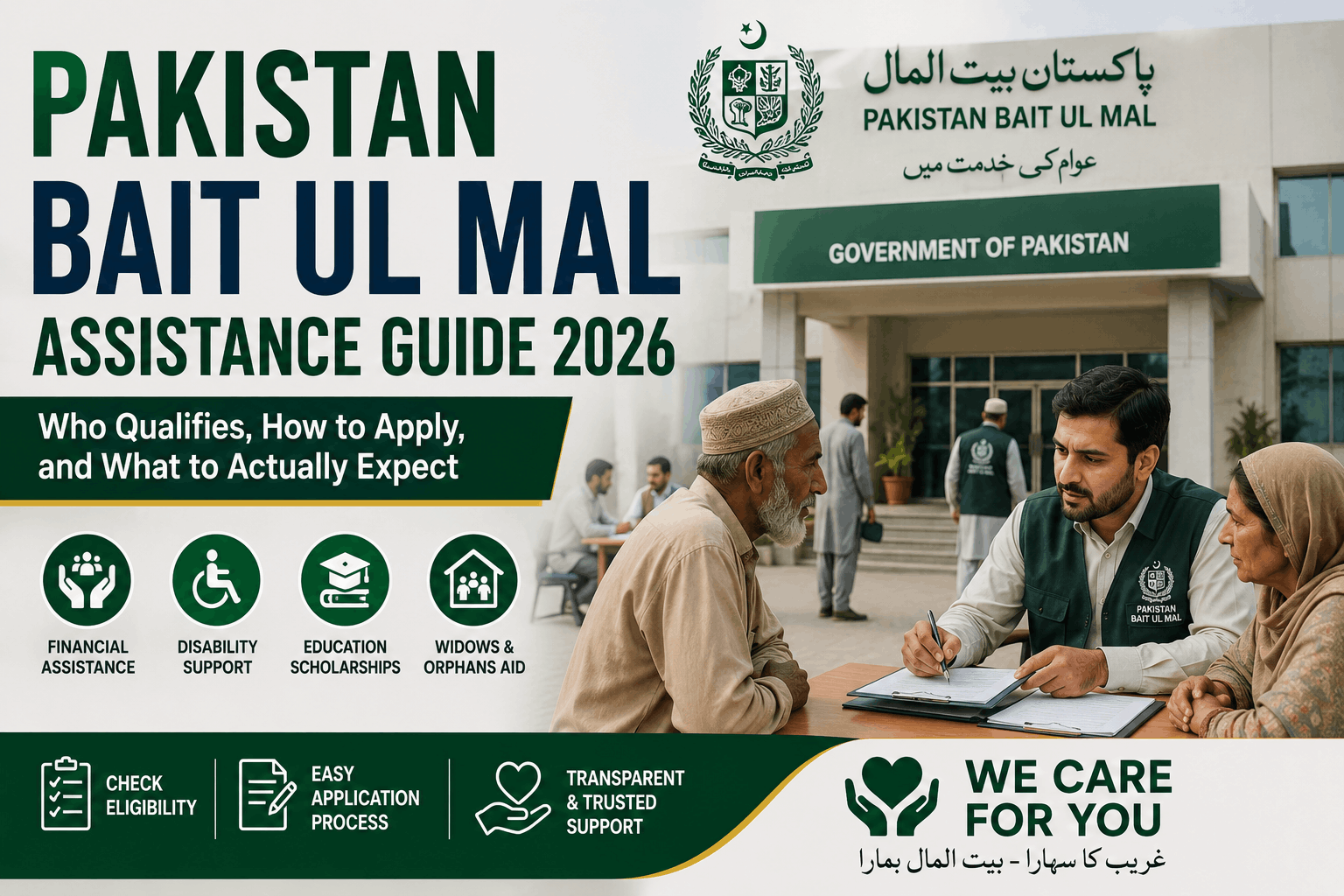
Pakistan Bait ul Mal (PBM) is a federal government body established under the Pakistan Bait-ul-Mal Act, 1991. Its mandate is to provide financial assistance to the most deserving and poorest citizens — people who have fallen into acute need and don’t have another safety net to catch them.
The name itself — Bait ul Mal — translates roughly as “House of Funds” in Arabic, reflecting the Islamic tradition of maintaining public wealth for the welfare of the vulnerable.
PBM operates under the Ministry of Poverty Alleviation and Social Safety, with a head office in Islamabad and district offices in every district of Pakistan. That geographic reach is significant — you don’t need to be in a major city to access PBM support.
PBM is not a loan program. Assistance provided through PBM is non-repayable. You don’t pay it back. This is the fundamental difference from schemes like the PM Youth Loan or Asaan Karobar Card — those are financing you repay. PBM assistance is welfare you receive because you genuinely need it.
What PBM Provides
1. Individual Financial Assistance (IFA)
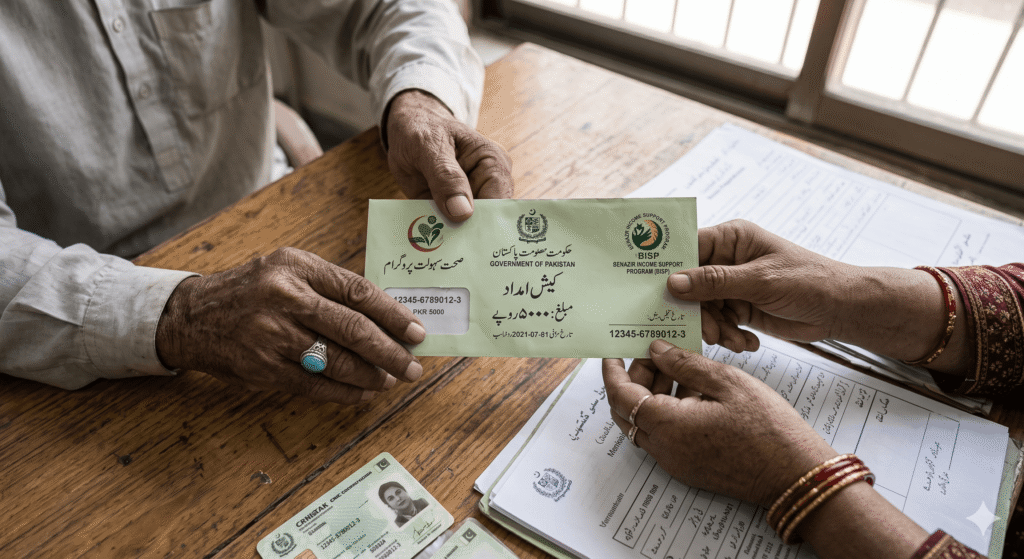
The most direct and commonly sought form of support. A one-time or irregular cash payment to a family facing acute need.
Qualifying situations:
- Medical emergency — surgery, cancer treatment, dialysis, hospitalization
- Natural disaster impact — flood, earthquake, fire affecting home
- Death of the primary earner — immediate financial crisis
- Child education costs for orphaned or extremely poor children
- Rehabilitation after illness or disability
Amount: Typically Rs. 10,000 to Rs. 100,000 depending on the documented need and available budget.
2. Child Support Program (CSP)
A program specifically for orphaned children and children from extremely poor families, providing monthly stipends to support education and basic needs. Monthly amounts have typically been Rs. 1,000 to Rs. 2,000 per child.
3. Vocational Training Centers (VTCs)
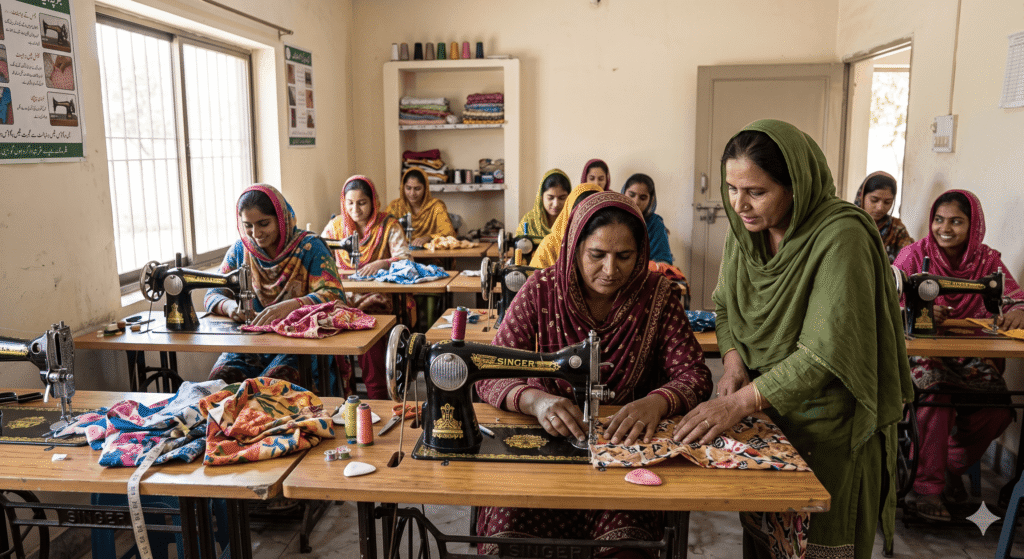
PBM operates free skills training centers across Pakistan — tailoring, embroidery, computer skills — for poor women and youth. Ask at your District Bait ul Mal office about VTC locations and enrollment.
4. Special Education Support
PBM supports education for children with disabilities from extremely poor households. Ask at the district office about current availability.
Who Qualifies
PBM assistance is assessed holistically by a local committee. General qualifying factors:
- Financial need: Household income genuinely unable to meet the crisis expense
- Pakistani citizen with valid CNIC
- Nature of need within PBM’s mandate: medical, educational, disaster, rehabilitation
- No other adequate support for that specific need
Priority categories:
- Widows
- Orphaned children
- Persons with disabilities
- Patients with serious illnesses (cancer, kidney disease, heart disease)
- Natural disaster victims
- Destitute individuals without family support
How to Apply — Step by Step
Step 1: Find the District Bait ul Mal Office
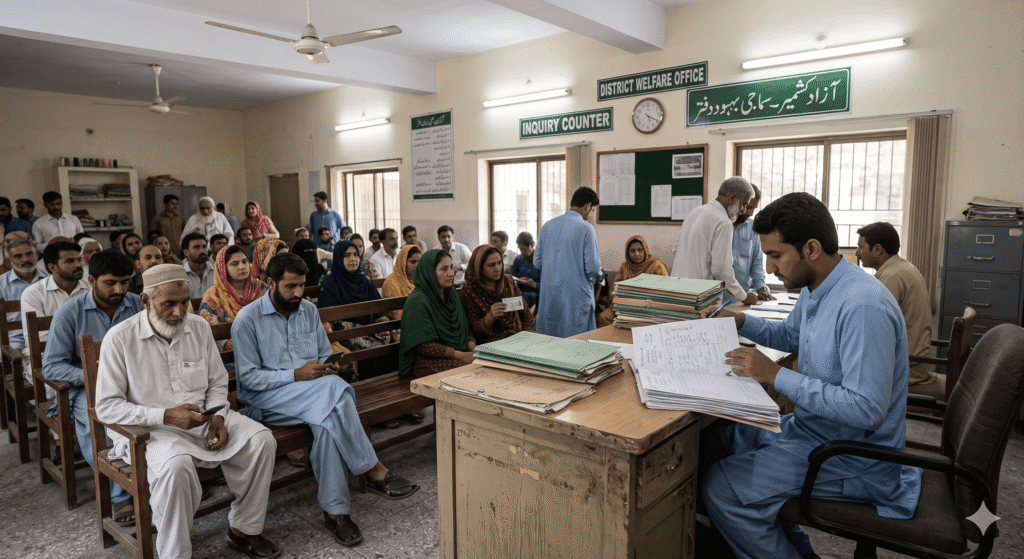
There is no online application for PBM Individual Financial Assistance. You apply in person at the district office.
To find your district office:
- Check pbm.gov.pk
- Call the PBM helpline (listed on the website)
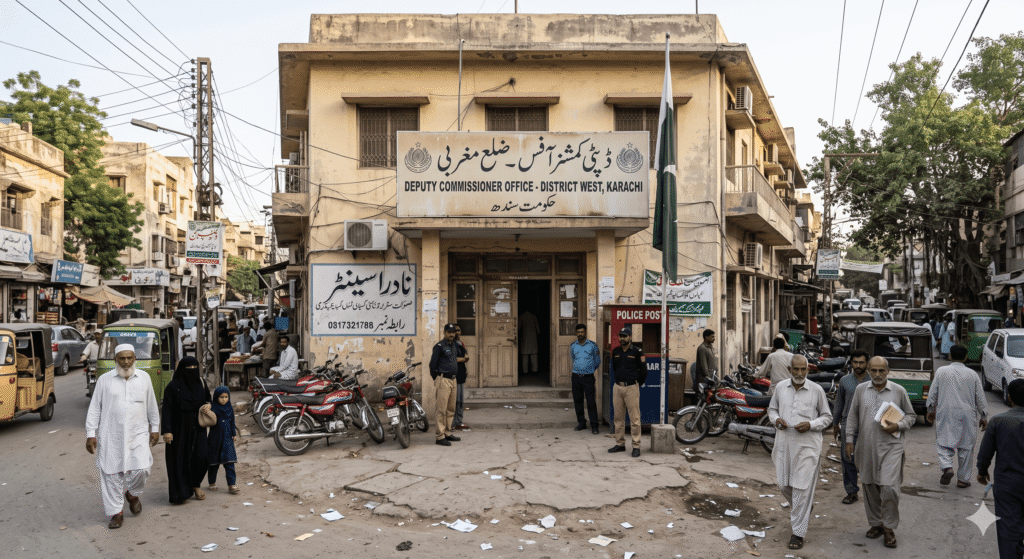
- Ask at the District Commissioner’s office
- Ask at the BISP Tehsil Office — they typically know the location
Step 2: Gather Documents Before Going
For all applications:
- Original CNIC
- Utility bill (electricity or gas) showing home address
- Proof of income: salary slip or notarized income affidavit
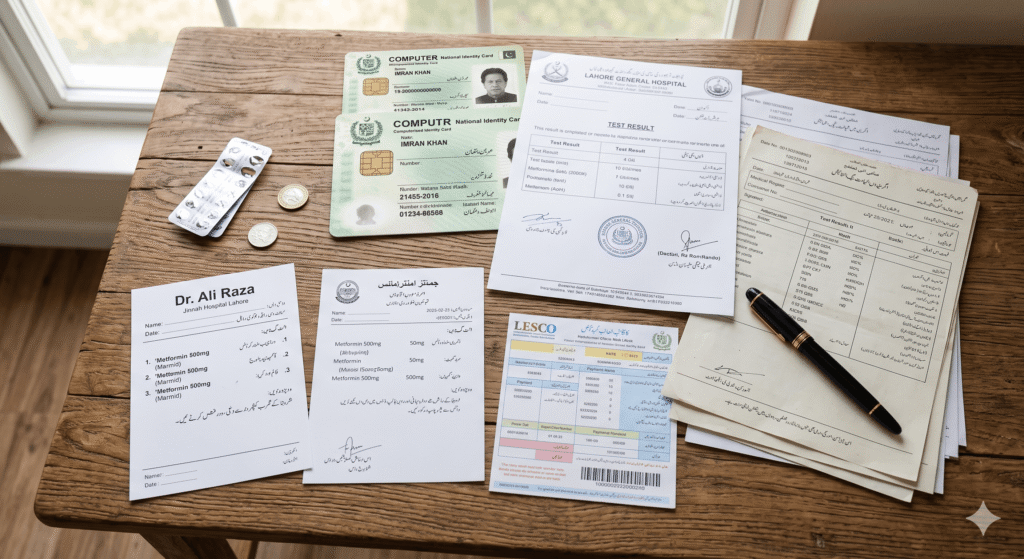
For medical assistance:
- Hospital admission letter or doctor’s recommendation
- Cost estimate from hospital or pharmacy
- Medical reports confirming the diagnosis
For educational assistance:
- Child’s B-Form
- School enrollment certificate
- Fee demand letter
For natural disaster:
- Police report or Union Council certificate confirming impact
For orphan child support:
- Parent’s death certificate
- Child’s B-Form
Step 3: Fill in the Application Form
The office provides the form. The key section is the description of need — be specific and factual. Write enough for the committee to understand what happened, why assistance is needed, and what the money will be used for.
Saima wrote three paragraphs: her father’s diagnosis, the surgery date, the hospital’s cost estimate, and the family’s monthly income. Detailed applications move through the system faster than vague ones.
Step 4: Submit and Wait for Committee Review
The local Bait ul Mal committee reviews applications. Timeline: 2 to 8 weeks depending on the district’s caseload and available budget.
For urgent medical situations, state the urgency explicitly — “surgery scheduled for [date]” — both in writing and verbally at submission.
Step 5: Follow Up
- Week 1: Call or visit to confirm application is complete and in queue
- Week 2: Ask for a status update
- Week 3: If no communication, go in person and ask to speak with your case officer
Saima’s second visit — explaining the surgery date was approaching — prompted the officer to prioritize her file for the next committee meeting.
Step 6: Disbursement
Assistance is disbursed as:
- A cheque to the applicant
- Direct payment to the hospital (common for medical cases)
- Bank transfer in some districts
Clarify the disbursement method when approved.
Saima’s Application in Numbers
- Day 1: Visited office with all documents
- Week 2: Called to confirm receipt — confirmed
- Week 4: Approved — Rs. 50,000 for surgery
- Disbursement: Cheque paid directly to hospital
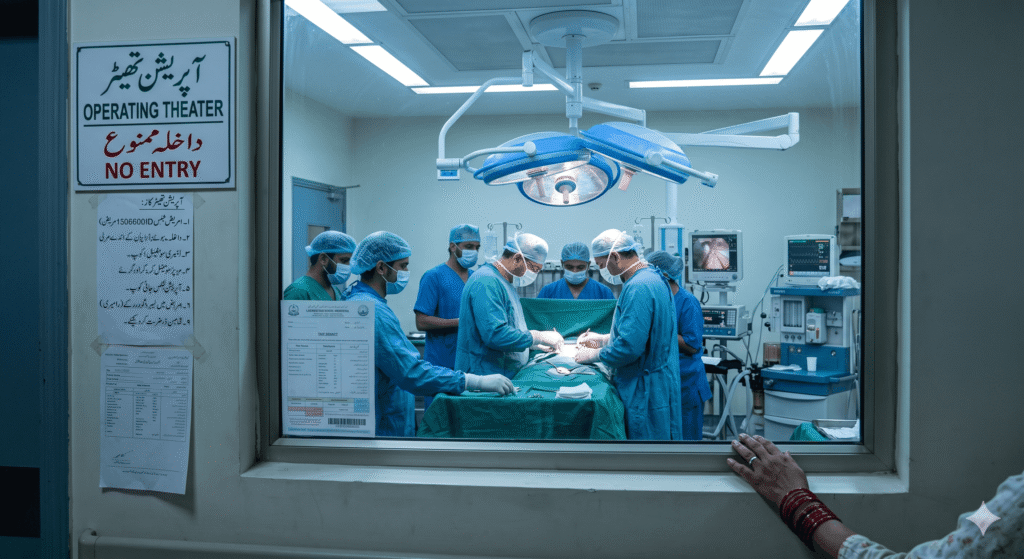
Surgery happened.
Six months later she applied again for medication costs. Second application took 2.5 weeks — she was a known applicant in the district system.
Total PBM assistance over 8 months: Rs. 75,000
The cancer wasn’t solved. But the treatments that could happen, did happen.
When to Use PBM vs. Other Programs
| Situation | Best Program |
|---|---|
| Medical emergency, one-time surgery | Pakistan Bait ul Mal |
| Regular monthly income support | BISP Kafaalat |
| Widow household monthly support | BISP + Zakat Guzara |
| Orphan child’s ongoing monthly support | PBM Child Support Program |
| Disaster impact — immediate cash | PBM + PDMA |
| Disabled person monthly allowance | Social Welfare + Zakat |
| Business startup | PM Youth Loan / Akhuwat |
| Child’s recurring school fees | Taleemi Wazaif / HEC Scholarship |
Common Mistakes That Delay or Block Assistance
Going without medical cost documentation. “My father has cancer” without a hospital cost estimate isn’t enough. Get the paperwork from the hospital first.
Requesting an amount you can’t document. Asking for Rs. 300,000 when you can document Rs. 80,000 in need reduces credibility. Ask for what you can prove.
Not following up after submission. Applications sit in queues. The ones that move faster are the ones whose applicants come back. Don’t submit and disappear.
Assuming online application works. It doesn’t for IFA. In-person only.
Not mentioning time sensitivity. Surgery date, admission deadline — state it explicitly in writing and verbally. It can change how quickly the committee acts.
Applying for routine monthly expenses. PBM handles acute crises, not regular income support. Groceries and rent belong in BISP’s domain. Sudden medical bills belong in PBM’s.
Going without income documentation. The committee needs to verify financial need. Income affidavit or salary slips are required. Without them, the application stalls.
One More Thing
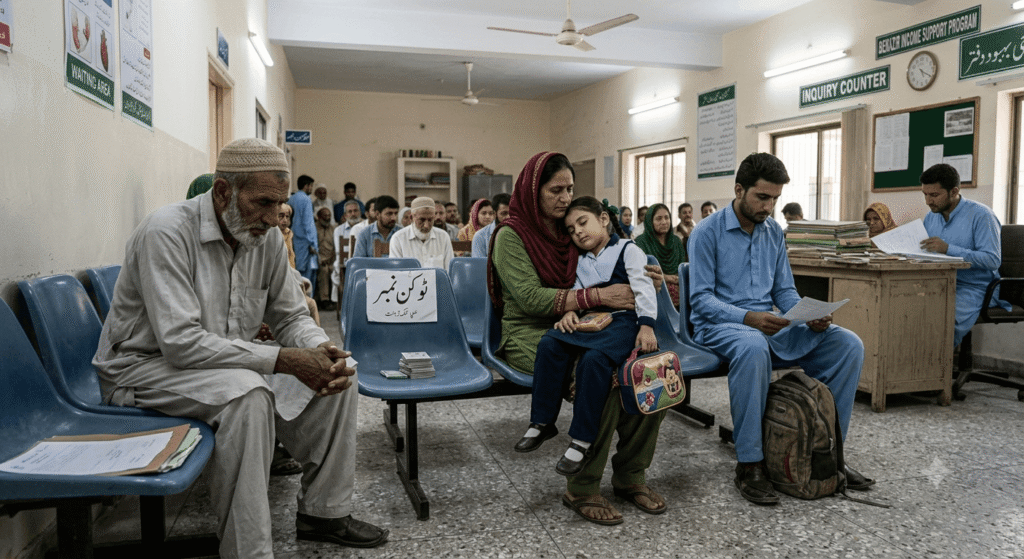
When Saima was in the queue at the District PBM office on that first day, she looked around at the other people waiting. An elderly man whose house had burned down. A mother with a child who had a congenital heart defect. A young man with a visible disability, there with his sister.
“Everyone in that room had something real happening to them,” she told me. “Nobody was there because they wanted to be.”
PBM exists for exactly those rooms. For situations that regular programs don’t cover, that families can’t absorb alone, and that would otherwise mean a surgery doesn’t happen or a child goes without.
It’s not glamorous and it’s not fast. But it’s real, it’s accessible across every district in Pakistan, and it doesn’t require repayment.
If you’re in a situation where this applies — go to the district office. Bring the documentation. Be specific about the need. Follow up.
The assistance exists. You just have to walk through that door.
Need financial, medical, educational, or emergency assistance? Visit the official Pakistan Bait-ul-Mal portal below to check eligibility, download application forms, track your case, and apply through the official government website.
Apply for Pakistan Bait-ul-Mal Assistance OfficialHave a question about whether your specific situation qualifies, or need help figuring out which documents to bring? Leave a comment with the details and we’ll try to help.